


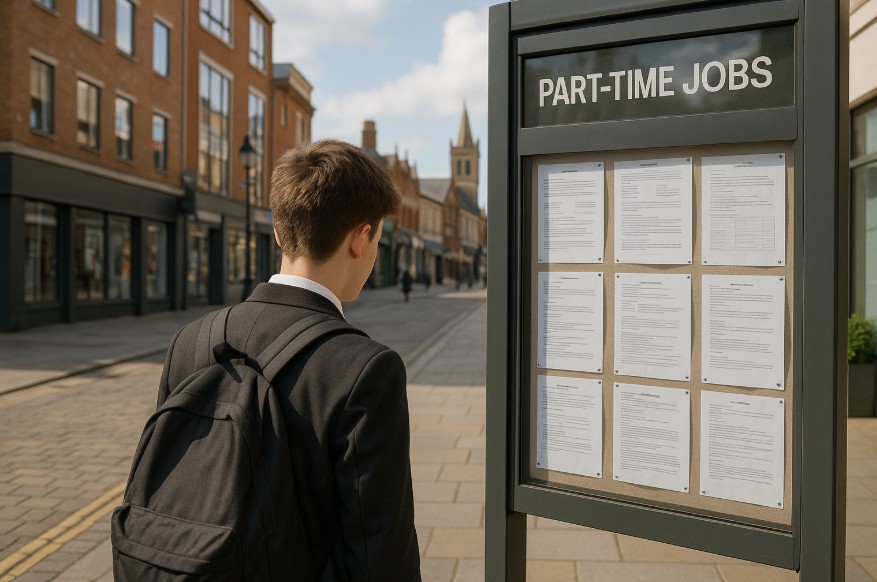
Understanding the legal working hours for 14-year-olds in the UK is crucial for parents, employers, and young people alike.
UK laws surrounding child employment are designed to protect children’s health, education, and overall development. Employers who wish to hire 14-year-olds must be aware of national regulations and local bylaws that govern working hours, permitted job types, and safety obligations.
This guide outlines everything you need to know about what the law permits for 14-year-olds in terms of employment.
What Are the Legal Working Hours for a 14 Year Old in the UK?


In the UK, 14-year-olds are legally permitted to take on part-time work, but strict rules govern how many hours they can work and when. These regulations ensure a balance between gaining work experience and continuing with school education.
The foundation of these rules comes from the Children and Young Persons Act 1933. Enforcement is carried out by local authorities, who may also introduce additional bylaws.
Key conditions include:
- A child must be at least 13 years old to work in the UK.
- Employment must not interfere with a child’s school hours or their ability to attend school.
- Children under 16 cannot work in industrial environments.
The total number of hours a 14-year-old can work is different depending on whether it’s a school term or a holiday period. The working hours are limited to protect their health and academic performance.
When Can a 14 Year Old Work During Term Time?
During term time, working hours are very limited to ensure the child’s education remains the priority. A 14-year-old may only work for up to 12 hours per week during term time, and this includes both weekdays and weekends.
The term-time rules are:
- Up to 2 hours on school days
- Up to 2 hours on Sundays
- Up to 5 hours on Saturdays
These limits apply to the total hours a child can work in one week during school terms and cannot be exceeded. Additionally, working is not allowed:
- Before 7 a.m.
- After 7 p.m.
- During school hours
- For more than one hour before school starts
This helps maintain a child’s focus on their studies and daily routine. It also reduces the risk of fatigue or burnout from juggling school and work commitments.
What Are the School Holiday Working Limits for 14 Year Olds?

During school holidays, children can work for longer hours, but restrictions still apply. The law differentiates between weekdays, Saturdays, and Sundays to create a structured limit.
Here is a breakdown of permitted hours:
| Day Type | Maximum Working Hours |
| Weekdays | 5 hours |
| Saturdays | 5 hours |
| Sundays | 2 hours |
| Weekly Total | 25 hours |
While the overall weekly cap is extended during school holidays, children must still not:
- Work more than 5 hours on any weekday or Saturday
- Work more than 2 hours on Sundays
- Work before 7 a.m. or after 7 p.m.
This approach allows 14-year-olds to gain more practical experience while ensuring they receive rest and time off during the holiday period.
Where Can a 14 Year Old Legally Work?
Children aged 14 can undertake certain types of light work that are deemed suitable and safe. These jobs should be non-industrial and must not interfere with schooling or overall well-being.
Permitted types of jobs often include:
- Delivering newspapers and leaflets
- Working in retail as a shop assistant
- Assisting in cafes, restaurants or hair salons with light tasks
- Gardening or light yard work under supervision
- Office duties that are not physically demanding
The emphasis is on safety, minimal stress and supervision. Jobs that could expose children to risk or adult themes are not permitted.
What Types of Jobs Are Restricted for 14 Year Olds?
UK law strictly prohibits certain job types for under-16s. These are based on the level of risk, required experience or maturity, and exposure to harmful environments.
Children under 16 cannot work:
- In factories or industrial sites
- In environments that handle toxic chemicals or heavy machinery
- Behind the counter at betting shops or adult entertainment venues
- As delivery drivers or couriers involving motor vehicles
- In kitchens where there is exposure to dangerous equipment or open flames
There are also rules about what children can do even in otherwise acceptable workplaces. For example, a 14-year-old may help in a café, but not operate industrial coffee machines or deep fryers.
Local councils often have lists of jobs that are banned for children under the minimum school leaving age. These lists are accessible through the council’s education department or welfare service.
What Breaks and Rest Periods Must Be Given to a 14 Year Old?


Child employment laws include requirements for proper breaks and rest periods during and between shifts. This ensures that young workers are not overworked and have time to rest.
If a 14-year-old works for more than four hours in a single shift, they are entitled to a break of at least one hour. This applies to both term time and school holidays.
Additionally, each calendar year, a 14-year-old must have a break from working for at least two consecutive weeks during the school holidays. This rest period is mandatory and cannot be compensated by working fewer hours in other weeks.
These regulations are designed to protect young workers from exhaustion and promote a healthy balance between work and relaxation.
Are Work Permits Required for 14 Year Olds in the UK?
Most local authorities require a work permit for children under 16 who take up employment. This permit is typically issued by the education department or education welfare office of the local council.
Here’s how the permit process generally works:
| Step | Description |
| Application | Employer submits details to the local council |
| Risk Assessment | Employer confirms that the job is safe for the child |
| School Check | Council ensures the job won’t affect school attendance |
| Permit Issuance | If approved, a permit is issued allowing the job |
Some councils may not require a permit for specific job types or hours, but this depends entirely on local bylaws. It is the employer’s responsibility to check with their council and ensure they are compliant.
Failing to obtain a permit, if required, can lead to enforcement action against the employer.
How Do Local Bylaws Affect a 14 Year Old’s Working Hours?

Local councils can create bylaws that impose additional restrictions beyond national legislation. These bylaws may:
- Limit the total number of hours a child can work per week or day
- Ban specific job types that are otherwise allowed nationally
- Define the earliest or latest a child may start or finish work
For example, while national law allows work to start at 7 a.m., a local council may restrict this to 8 a.m. in their area. Bylaws can also limit what equipment a child is allowed to use or prohibit outdoor work in winter months.
These variations make it critical for both employers and parents to contact the local education authority or council for exact rules in their area.
How Does the Law Protect the Health and Safety of Working 14 Year Olds?
Health and safety regulations extend to children just as they do for adults, with additional considerations due to their age. Employers must carry out risk assessments before hiring any child and take specific steps to ensure safety.
These requirements include:
- Ensuring the child is properly supervised during all work hours
- Verifying that the job is not physically demanding or dangerous
- Making adjustments to minimise exposure to risk
- Providing clear instructions and training before tasks begin
The Health and Safety Executive (HSE) provides guidance specifically for employing young people, and employers are expected to follow it closely. Young workers should never be treated as a replacement for experienced staff and must not be put in situations beyond their physical or emotional capacity.
What Are the Consequences for Employers Who Break the Rules?


Employers in the UK who violate child employment laws face a range of legal, financial, and reputational consequences.
These rules exist to protect young people from exploitation, overwork, and unsafe working environments. Therefore, enforcement by local authorities is taken seriously.
Legal Penalties
If an employer is found to be in breach of child employment regulations, they may be prosecuted under the Children and Young Persons Act 1933 or other relevant legislation. Legal consequences may include:
- Fines imposed by the local council or court. These can vary in amount depending on the severity and nature of the breach.
- Court appearances, where employers must defend their actions if they allowed a child to work illegally or failed to obtain a required work permit.
- Prohibition notices, which can immediately stop the employer from continuing to employ the child or others under similar conditions.
The severity of penalties is often influenced by whether the breach was intentional, repetitive, or resulted in harm to the child.
Enforcement by Local Authorities
Local councils are responsible for monitoring compliance within their jurisdiction. Their education welfare officers or child employment officers have the authority to:
- Conduct inspections and interviews with the employer, the child, and the child’s parents or guardians.
- Request documentation such as work permits, records of hours worked, or risk assessments.
- Investigate anonymous or reported concerns from the public or school officials.
In cases where employers repeatedly breach the law or disregard warnings, the council may escalate the matter to law enforcement or regulatory bodies like Ofsted or the Health and Safety Executive (HSE).
Business Impact
In addition to legal consequences, there can be significant business implications:
- Negative publicity, especially if the incident involves harm to a child, can damage the company’s reputation and erode public trust.
- Loss of licences or permits, particularly in sectors that are already heavily regulated, such as hospitality or retail.
- Civil claims from the child’s family if the child is harmed or disadvantaged as a result of the employer’s actions.
For businesses that rely on their reputation in local communities, such incidents can lead to long-term financial losses due to reduced customer loyalty or boycotts.
Impact on the Child
Although the legal responsibility lies with the employer, it’s important to recognise the direct impact on the young person:
- Missed education and falling behind in school
- Fatigue or burnout from excessive or poorly scheduled work
- Exposure to unsafe or inappropriate work environments
Such consequences may lead to longer-term developmental, academic, or mental health challenges, and could result in investigations from social services if negligence is suspected.
Preventive Measures Employers Should Take
To avoid these consequences, employers are strongly advised to:
- Check local bylaws before employing anyone under 16
- Apply for a child employment permit where required
- Keep accurate records of working hours and job duties
- Conduct a written risk assessment before the child starts work
- Maintain communication with parents or guardians
By demonstrating awareness of and adherence to legal requirements, employers can avoid legal action and create a safe, compliant working environment for young workers.
Conclusion
Employing a 14-year-old in the UK is possible, but only under carefully regulated conditions.
The law prioritises a child’s education and well-being over economic activity. Employers must understand national laws and consult local councils to ensure they remain compliant. Parents should also stay informed to protect their children’s rights and safety.
FAQs
What age can a child start working legally in the UK?
Children in the UK can start part-time work at age 13, but the type of work and number of hours are strictly controlled.
Can a 14 year old work past 7pm in the UK?
No, UK law prohibits children under 16 from working before 7 a.m. or after 7 p.m.
Do 14 year olds pay tax on their income?
Most 14-year-olds will not earn enough to meet the personal tax allowance threshold and typically won’t pay income tax.
Can a 14 year old work in a supermarket?
They can work in certain sections of a supermarket (e.g., restocking or bagging), but only if local bylaws permit and the job is non-industrial.
Who issues a work permit for 14 year olds?
Local councils, specifically their education departments, issue employment permits for children under school-leaving age.
What should employers check before hiring a 14 year old?
Employers must ensure the job complies with national law and local bylaws, apply for a work permit, and conduct a risk assessment.
Can a 14 year old be self-employed in the UK?
Generally, no. Self-employment for children under 16 is highly restricted and not commonly approved by local authorities.