


Shoppers across the UK should take immediate notice of the latest Aldi, Tesco and Morrisons food alerts, as several everyday products have been recalled due to safety concerns including contamination, undeclared allergens and incorrect labelling.
The Food Standards Agency has issued clear “do not eat” warnings, meaning affected items could pose health risks if consumed.
Anyone who has purchased these products should check batch details carefully and follow recall instructions, which usually involve returning the item for a full refund or disposing of it safely.
Key takeaways:
- Multiple supermarket recalls are currently active across the UK
- Main risks include allergens, contamination and labelling errors
- “Do not eat” warnings must be taken seriously
- Refunds are available even without receipts
- Official sources like the FSA provide verified updates
What Are the Latest Aldi, Tesco, Morrisons Food Alerts in the UK and What Do Shoppers Need to Know?


The latest Aldi, Tesco and Morrisons food alerts across the UK reflect a growing emphasis on consumer safety and transparency within the retail food sector.
Supermarkets are under strict regulatory oversight, and when a potential issue is identified, rapid action is taken to protect the public.
These alerts are typically issued in collaboration with the Food Standards Agency, which acts as the central authority for food safety in the UK.
When risks are detected, whether through internal quality checks, supplier reports or customer complaints, supermarkets must act quickly to investigate and remove affected items.
Recent alerts have covered a wide range of issues, including contamination risks, incorrect packaging information and undeclared allergens.
These incidents highlight how even well established supply chains can encounter unexpected problems.
Shoppers are advised to remain vigilant and regularly check official notices. This is particularly important for households that rely on staple products such as porridge, dairy items and ready to eat meals, which are often subject to recalls due to their widespread consumption.
Why Food Alerts Are Issued by Aldi, Tesco and Morrisons and UK Supermarkets?
Food alerts are issued for several important reasons, all centred on preventing harm and ensuring that products meet safety standards. Understanding these reasons helps consumers appreciate the seriousness of such warnings.
One of the primary causes is contamination. This can occur during manufacturing, packaging or distribution. Contaminants may include harmful bacteria or foreign objects that enter the food unintentionally.
Another common issue is allergen mislabelling. UK law requires that all allergens be clearly stated on packaging.
If an ingredient such as milk, gluten or nuts is missing from the label, it creates a significant health risk.
Packaging errors also play a role in many recalls. Incorrect use by dates or storage instructions can lead to consumers eating food that is no longer safe.
Key reasons for food alerts include:
- Presence of undeclared allergens
- Physical contamination such as plastic or debris
- Microbiological risks including bacteria
- Incorrect labelling or packaging errors
- Manufacturing faults affecting product safety
There is also an important distinction between product withdrawal and product recall. A withdrawal occurs when items are removed from shelves before purchase, while a recall involves notifying customers who may already have the product at home.
Full List of Recent Food Alerts from Aldi, Tesco and Morrisons and Other UK Retailers
Several major UK retailers have issued urgent recalls covering a variety of products, each linked to specific safety concerns that shoppers need to be aware of.
1. Marks and Spencer Yoghurt Recall Allergen Risk
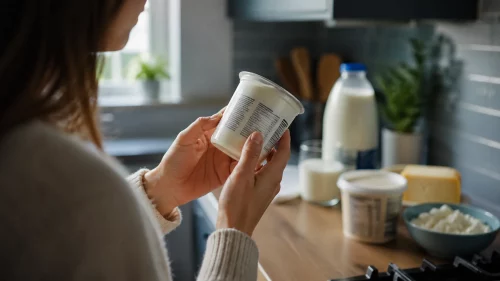
Marks and Spencer identified a labelling issue with its Authentic Greek Yoghurt with Vanilla. The product was found to contain gluten that was not declared on the packaging, creating a risk for individuals with gluten intolerance or coeliac disease.
This type of allergen related recall is taken very seriously because even small amounts of gluten can trigger adverse reactions in sensitive individuals. The product was sold in 500g containers with a specific use by date, making it easier for customers to identify.
Retailers typically display notices in store and online to inform customers. In this case, affected individuals were instructed to return the yoghurt for a full refund.
2. Aldi Food Alert Salmon Fillet Use By Date Error
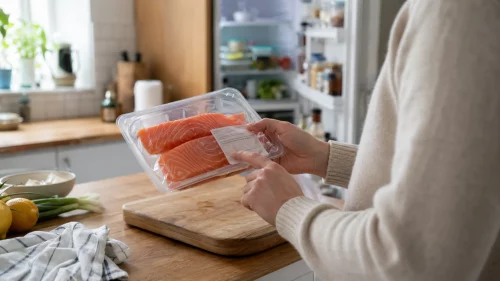
Aldi issued a recall for its honey roasted salmon fillets due to a critical labelling error. The use by date printed on the packaging extended beyond the actual safe consumption period.
This type of mistake can lead to consumers unknowingly eating spoiled food, which may result in food poisoning. While the product itself may have been safe initially, the incorrect date created a risk over time.
Retailers responded by removing the product from shelves and advising customers to return it.
3. Tesco Food Recall Dessert Contamination Warning

Tesco identified a contamination issue in its chocolate affogato dessert. The presence of plastic fragments made the product unsafe to consume.
Physical contamination is particularly concerning because it can cause injury as well as pose choking hazards. This type of recall often results from issues during manufacturing or packaging processes.
Customers were instructed to return the product, and Tesco confirmed that no other items were affected.
4. Porridge Recall Across Tesco Morrisons and Sainsbury’s

The recall of MOMA Foods porridge products represents one of the more complex cases due to the number of items involved. Multiple flavours and formats were affected, including both pots and sachets.
The issue was linked to possible contamination at the production facility. Although the likelihood of contamination was considered low, the precautionary recall was issued to maintain consumer safety.
Affected product categories included:
- Flavoured porridge pots
- Protein enriched porridge options
- Sachet based breakfast products
Customers were advised to check batch codes carefully and return any affected items.
5. Walkers Crisps Recall Undeclared Milk Allergen

Walkers issued a recall for a specific batch of its hot honey crisps after discovering a labelling inconsistency. Some packets contained cheese and onion seasoning, which includes milk.
This posed a risk for individuals with milk allergies, particularly because the ingredient was not listed correctly. Allergen related recalls often require immediate action due to the potential severity of reactions.
Customers were given instructions to contact the manufacturer directly for refunds.
Table of Affected Products in Recent UK Supermarket Food Alerts
| Product Name | Supermarket | Issue Type | Affected Detail | Action Required |
| Greek Yoghurt Vanilla | Marks and Spencer | Undeclared allergen | Contains gluten | Return for refund |
| Salmon Fillets Honey Roasted | Aldi | Date error | Incorrect use by date | Do not consume |
| Chocolate Affogato Dessert | Tesco | Physical contamination | Plastic fragments | Return immediately |
| MOMA Porridge Range | Tesco Morrisons Sainsbury’s | Possible contamination | Multiple batch codes | Return products |
| Hot Honey Crisps Multipack | Walkers | Allergen mislabelling | Contains milk | Contact for refund |
What Are the Different Types of Risks Identified in Food Alerts?
Food alerts issued across Aldi, Tesco, Morrisons and other UK supermarkets typically fall into several distinct risk categories. Each type of risk carries its own level of severity and requires a specific response from both retailers and consumers.
Understanding these categories helps shoppers quickly assess the seriousness of a recall and take appropriate action.
| Risk Type | Description | Example |
| Allergen Risk | Undeclared ingredients that may trigger allergic reactions | Gluten in yoghurt |
| Physical Risk | Presence of foreign objects in food products | Plastic in dessert |
| Biological Risk | Microbial contamination that can cause illness | Porridge contamination issue |
| Labelling Error | Incorrect or misleading packaging information | Wrong use by date |
Allergen risks are among the most urgent because they can cause immediate and severe health reactions. Even trace amounts of allergens such as milk, gluten or nuts can be dangerous for sensitive individuals.
Physical risks involve foreign objects entering the food supply. These may include plastic fragments, metal pieces or packaging debris. Such contamination can lead to injury or choking hazards.
Biological risks relate to harmful microorganisms. These include bacteria that may develop during production or storage, especially if hygiene standards are compromised.
Labelling errors may appear less serious at first, but they can still pose significant risks. Incorrect dates or missing ingredient information can lead to unsafe consumption.
How Do Supermarkets Respond to Food Recalls in the UK?
When a food safety issue is identified, supermarkets follow strict procedures to protect consumers and comply with UK regulations. These actions are often carried out in coordination with the Food Standards Agency.
Retailers are expected to act quickly and transparently to minimise any potential harm.
| Action Step | Description |
| Product Removal | Items taken off shelves immediately |
| Customer Notification | Notices issued in store and online |
| Refund Process | Full refunds offered to affected customers |
| Investigation | Root cause analysis conducted to prevent recurrence |
The first step is usually product removal. Affected items are immediately withdrawn from shelves to prevent further sales.
Customer notification follows, with supermarkets placing clear notices in stores and publishing updates on their websites. In many cases, press releases and digital alerts are also used.
The refund process is designed to be simple and accessible. Most supermarkets allow customers to return recalled items without a receipt, ensuring that safety is prioritised over proof of purchase.
An internal investigation is then conducted to identify the source of the issue. This may involve reviewing supply chains, manufacturing processes or packaging systems.
What Should Consumers Do When They Encounter a Food Recall?
Consumers play a crucial role in responding to food alerts. Knowing how to act quickly and correctly can significantly reduce potential health risks.
The guidance provided by supermarkets and the Food Standards Agency is clear and should always be followed.
| Situation | Recommended Action |
| Product identified in recall | Do not eat the product |
| Product already consumed | Monitor health and seek advice if needed |
| Unable to return item | Dispose of it safely |
| Unsure about batch | Check official sources for confirmation |
If a product is identified as part of a recall, it should not be consumed under any circumstances. Even if the product appears normal, hidden risks may still be present.
If the product has already been consumed, there is no need to panic, but individuals should remain alert to any unusual symptoms and seek medical advice if necessary.
In cases where returning the item is not possible, safe disposal is recommended to prevent accidental consumption.
If there is uncertainty about whether a product is affected, consumers should always refer to official sources such as the Food Standards Agency or the retailer’s website for accurate information.
What To Do If You’ve Bought A Recalled Product from Aldi Tesco or Morrisons?

Consumers who discover they have purchased a recalled item should follow clear safety steps. The first and most important action is to avoid consuming the product.
Retailers across the UK have standardised recall procedures that make it easy for customers to return items. In many cases, proof of purchase is not required.
Steps to follow include:
- Check product name, batch code and dates
- Compare with official recall notices
- Return item to nearest store
- Request refund or replacement
- Seek medical advice if symptoms occur
These measures are designed to minimise risk and ensure that affected consumers are supported.
How to Stay Updated on Aldi, Tesco and Morrisons Food Alerts in the UK
Keeping up to date with Aldi, Tesco and Morrisons food alerts is essential for maintaining household safety. With the frequency of product recalls, relying solely on in store notices may not be sufficient.
Consumers can access updates through official channels such as the Food Standards Agency website. Supermarkets also maintain dedicated recall pages where they publish detailed information.
Many retailers now offer digital notifications through mobile apps and email subscriptions. These services provide real time updates, ensuring that consumers are informed as soon as new alerts are issued.
Social media platforms are also increasingly used to share recall information quickly. However, it is important to verify such information through official sources to avoid misinformation.
What Are the Food Safety Risks Behind Supermarket Recalls and Why Do They Matter?
Food safety risks vary in severity, but all recalls are issued as a precaution to prevent harm. Understanding these risks helps consumers respond appropriately.
Allergen related risks are among the most serious. Even trace amounts of an undeclared allergen can trigger severe reactions in sensitive individuals.
Physical contamination can cause injury, particularly if sharp objects are involved. Biological contamination, such as bacteria, can lead to foodborne illnesses.
Certain groups are more vulnerable to these risks, including:
- Children
- Elderly individuals
- Pregnant women
- People with weakened immune systems
For these groups, even minor contamination can have more serious consequences.
Supermarkets and regulators continue to improve safety measures, but recalls remain an essential part of maintaining high standards.
Conclusion
Aldi, Tesco and Morrisons food alerts serve as an important reminder of how quickly food safety issues can arise. From contamination to labelling errors, the risks vary but the advice remains consistent: do not consume affected products and follow official guidance.
By staying informed and checking products at home, shoppers can protect themselves and their families. Awareness and prompt action are key to staying safe.
FAQs About Aldi, Tesco and Morrisons Food Alerts
How do I know if a product I bought is part of a recall?
You can check the Food Standards Agency website or the supermarket’s official page for detailed recall notices, including batch numbers and dates.
Can I get a refund without a receipt for recalled items?
Yes, most UK supermarkets allow returns of recalled products without requiring a receipt.
Are food recalls common in the UK?
Food recalls happen regularly as a precautionary measure to protect public health, but most are handled quickly and efficiently.
What should I do if I already ate a recalled product?
Monitor your health and seek medical advice if you experience any symptoms or concerns.
Why are undeclared allergens so dangerous?
They can trigger severe allergic reactions, including life-threatening conditions such as anaphylaxis.
Do all recalled products pose serious health risks?
Not all recalls involve high risk, but all should be taken seriously as a precaution.
How quickly are food alerts issued after a problem is found?
Authorities and supermarkets aim to issue alerts as quickly as possible once a risk is identified.