



The rise of online resale platforms has revolutionised the way people buy and sell second-hand clothing. As sustainability and affordability become key considerations in fashion, platforms like Depop and Vinted have gained popularity in the UK.
Both marketplaces offer individuals the opportunity to sell preloved fashion, but each has its own unique features, fee structures, and target audiences.
This article provides a detailed comparison of Depop vs Vinted to determine which platform is the best choice for selling clothes.
What Are Depop and Vinted?
Depop
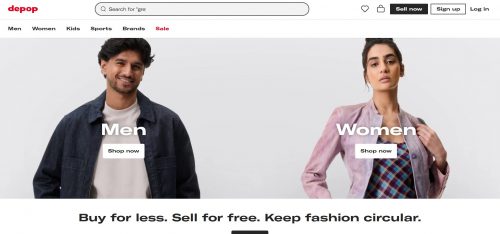

Depop is an online peer-to-peer fashion marketplace that allows individuals to buy and sell second-hand clothing, accessories, and vintage items.
Founded in 2011 in London, Depop was initially created as a social shopping app for readers of PIG (People in Groove) magazine to buy items featured in the publication.
However, it quickly evolved into a standalone platform where users could create their own virtual shops and sell fashion directly to others.
Today, Depop is recognised for its social commerce model, blending elements of Instagram-like engagement with e-commerce.
The platform attracts a younger demographic, particularly Gen Z and millennials, who use it not only to shop but also to showcase their personal style and build online brands.
Key Features of Depop:
- Social shopping experience: Users can follow shops, like items, and engage with sellers, making it more interactive than traditional resale platforms.
- Branding opportunities for sellers: Customised shop layouts, hashtags, and promotional tools help sellers create unique brands.
- Emphasis on vintage and streetwear fashion: Popular among fashion-conscious buyers looking for unique, on-trend, and nostalgic clothing.
- Global presence: Available in multiple countries, with strong communities in the UK, USA, Australia, and Europe.
- Payment flexibility: Accepts PayPal and Depop Payments, providing a secure checkout process.
Depop has become more than just a resale platform; it is a cultural hub for fashion enthusiasts, independent brands, and influencers who use the platform to curate and promote their collections.
In 2021, Depop was acquired by Etsy, a global marketplace for handmade and vintage goods, further solidifying its position as a leader in second-hand fashion.
Vinted
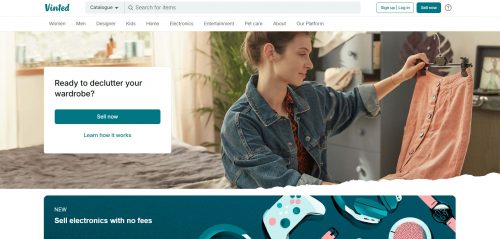

Vinted was founded in 2008 in Lithuania as a simple website to help its co-founder, Milda Mitkute, declutter her wardrobe.
The platform quickly gained attention, expanding beyond Lithuania to become one of the largest online second-hand marketplaces in Europe.
Unlike Depop, which focuses on fashion-forward reselling, Vinted caters to a broader audience, including casual sellers looking to quickly and affordably sell unwanted clothing.
One of Vinted’s biggest advantages is its zero-seller-fee model, meaning that sellers keep 100% of their earnings.
Instead of charging commissions on sales, Vinted generates revenue through buyer protection fees, making it a cost-effective option for those looking to sell clothes without additional costs.
Key Features of Vinted:
- No selling fees: Sellers earn the full price of their listed items, unlike other resale platforms that take a commission.
- Easy listing process: Minimal steps required to upload images, set prices, and publish listings.
- Pre-set shipping options: Buyers cover shipping costs, and Vinted provides a built-in postage system to simplify transactions.
- More than just fashion: Users can sell children’s items, accessories, home decor, and even beauty products.
- Large European user base: Popular in countries like the UK, Germany, France, and the Netherlands, with a growing presence in North America.
Unlike Depop, which encourages seller branding and engagement, Vinted provides a no-fuss, straightforward selling experience, making it ideal for those looking to quickly sell items without additional effort.
The platform’s success lies in its ability to attract cost-conscious buyers and casual sellers who want to clear out their wardrobes with minimal hassle.
How Do Depop and Vinted Work?


Listing Items
Both Depop and Vinted allow users to create listings for free, but their processes differ in terms of customisation and ease of use.
Depop:
- Sellers take multiple photos, write detailed descriptions, and categorise their items.
- Hashtags and search-friendly titles help improve visibility.
- Allows branding elements such as a custom shop layout and curated product listings.
- Listings require active promotion, as engagement (likes, follows, shares) boosts visibility in search results.
Vinted:
The listing process is simpler and more automated, requiring only basic details like size, brand, and condition.
No need for personal branding or extensive descriptions.
Users select pre-set shipping options, making it easier for sellers who don’t want to manage logistics.
Items are automatically promoted within relevant categories, reducing the need for self-marketing.
Buying and Selling Experience
Depop and Vinted differ significantly in how users interact and complete transactions.
Depop:
- Functions similarly to Instagram, where users browse visually appealing listings, like items, and follow favourite sellers.
- Buyers and sellers communicate directly through messaging, which allows price negotiations and additional inquiries.
- Sellers often need to actively promote their listings through social media or Depop’s paid promotions.
- The experience is more curated, making it appealing for fashion brands and independent designers.
Vinted:
- Operates as a traditional marketplace, where buyers search for specific items and purchase directly with minimal interaction.
- No need for direct communication unless a buyer has specific questions.
- Less emphasis on engagement, meaning items sell based on demand rather than branding or marketing efforts.
- The platform automatically boosts visibility for listings, reducing the need for active promotion.
Shipping & Payments
Shipping and payment processing are key areas where Depop and Vinted differ.
Depop:
- Sellers manage their own shipping or use Depop’s pre-paid shipping labels.
- Buyers pay for shipping unless the seller offers free delivery.
- Payments are processed through PayPal or Depop Payments, and funds are released after the buyer confirms receipt.
- There is an option to set international shipping, making it easier to reach buyers worldwide.
Vinted:
- Shipping is integrated into the platform, with buyers selecting from pre-set delivery options.
- Buyers cover shipping costs, so sellers don’t need to worry about calculating fees.
- Payments are held in escrow until the buyer confirms that the item has arrived, ensuring security for both parties.
- The built-in shipping system reduces the logistical burden on sellers.
Security and Buyer Protection
Both platforms prioritise secure transactions, but they implement different approaches.
Depop:
- Offers Depop Buyer Protection, ensuring that purchases are covered against fraud or undelivered items.
- Transactions through PayPal provide an additional layer of security for buyers and sellers.
- The platform allows for refunds and returns if the item is significantly different from its description.
Vinted:
- Implements a buyer protection fee, which provides insurance against fraud or undelivered packages.
- Funds are held by Vinted until buyers receive their orders, reducing the risk of scams.
- Unlike Depop, returns are not automatically guaranteed—buyers must contact customer support to resolve disputes.
Overall, Depop and Vinted offer distinct user experiences. Depop suits those looking to curate a shop and engage in social commerce, whereas Vinted is better suited for quick, hassle-free selling with no extra fees.
Which Platform Has Lower Fees – Depop or Vinted?
One of the key differences between Depop and Vinted is the cost of selling.
| Platform | Listing Fees | Selling Fees | Payment Fees | Shipping Fees |
| Depop | Free | 10% commission on sales | 2.9% + £0.30 per transaction | Seller or buyer pays |
| Vinted | Free | No selling fee | No payment fee for sellers | Buyer covers shipping |
- Depop charges a 10% commission on every sale, which can significantly impact profits, especially for high-value items.
- Vinted does not charge sellers any commission, making it a cost-effective option for those looking to maximise their earnings.
For sellers who prefer zero selling fees, Vinted is the more attractive platform. However, Depop’s ability to support higher price points may compensate for its commission-based model.
Where Can Sellers Make More Profit – Depop or Vinted?


The profitability of selling on Depop or Vinted largely depends on factors such as pricing trends, target audience, and platform fees. Each platform attracts a different type of buyer, which affects how much sellers can charge and how quickly items sell.
Depop: Higher Selling Prices but Fees Apply
Depop is known for its fashion-conscious audience, particularly Gen Z and millennial buyers who are willing to pay more for unique, vintage, and designer clothing.
Sellers on Depop can price items higher, especially if they curate a shop with a strong aesthetic and engage actively with potential buyers.
However, Depop takes a 10% commission on every sale, plus additional payment processing fees (2.9% + £0.30 per transaction).
While higher pricing can offset these costs, sellers need to factor in fees when setting prices. Profitability on Depop depends on a seller’s ability to market and position their products effectively.
Vinted: No Fees but Lower Pricing
Vinted does not charge any seller fees, allowing sellers to keep 100% of their earnings. However, the platform is geared towards budget-conscious buyers, meaning that items generally sell for lower prices.
Because Vinted lacks branding and promotional features, competition is higher, and sellers may need to adjust prices to attract buyers quickly.
Which One Is More Profitable?
For those selling high-end, vintage, or niche fashion, Depop offers better profit potential despite the fees.
For casual sellers or those prioritising quick, fee-free sales, Vinted is the better choice.
Which Platform Offers a Better Buyer and Seller Experience?
| Feature | Depop | Vinted |
| User Experience | Social, interactive, and community-driven | Simple, direct, and transactional |
| Seller Engagement | Requires branding, marketing, and active promotion | Minimal effort needed; platform boosts listings automatically |
| Buyer Experience | Buyers can follow shops, like items, and negotiate prices | Buyers purchase items with minimal interaction |
| Fees | 10% selling fee + payment processing fees | No selling fees; buyers pay a protection fee |
| Listing Process | Customisable, allows hashtags and shop branding | Simple and quick, with pre-set categories |
| Shipping | Sellers manage shipping or use Depop’s pre-paid labels | Vinted provides pre-set shipping options, and buyers cover costs |
| Payment Release | Payments released after buyer confirms receipt | Payments held in escrow until the buyer receives the item |
| Security & Buyer Protection | Depop Buyer Protection + PayPal security | Vinted Buyer Protection ensures refunds for lost items |
| Best For | Fashion-focused sellers, vintage and designer items, curated brands | Casual sellers, quick sales, and hassle-free transactions |
Which Platform is More Popular in the UK?
While both platforms are widely used in the UK resale market, each has a distinct appeal:
- Depop has a strong presence among fashion-conscious users, particularly in urban areas like London and Manchester.
- Vinted appeals to a broader audience, including families and budget shoppers, who prioritise affordability and convenience.
Market trends suggest that Depop remains the top choice for vintage and high-end fashion reselling, while Vinted has gained popularity among casual sellers and bargain hunters.
Which Is Better for Sustainable Fashion and Ethical Selling?


Both Depop and Vinted contribute to sustainable fashion by promoting the resale of clothing and reducing waste. However, their approach to sustainability differs.
- Depop encourages curated, high-quality second-hand fashion, reducing reliance on fast fashion trends.
- Vinted makes second-hand fashion more accessible to the masses, ensuring that pre-owned clothing remains in circulation for longer.
For those focused on building a sustainable wardrobe with unique, quality pieces, Depop offers better options. Vinted, however, plays a vital role in promoting mass sustainability by making resale easy and affordable.
Conclusion
Both Depop and Vinted offer unique advantages for selling second-hand clothes. Depop is ideal for fashion-focused sellers looking to build a brand and sell higher-priced items, while Vinted is perfect for those seeking a fee-free, hassle-free selling experience.
The choice depends on individual priorities—whether it’s maximising profit, ease of use, or sustainability.
For sellers who want the best of both worlds, using both platforms can be a great strategy to increase sales and reach a wider audience.
FAQs
Is Depop or Vinted better for selling clothes?
It depends on the seller’s goals. Depop is better for branding and higher-priced items, while Vinted is more cost-effective.
Which platform charges fewer fees?
Vinted does not charge seller fees, whereas Depop takes a 10% commission.
Do both platforms offer buyer protection?
Yes, both platforms have buyer protection policies to ensure secure transactions.
Which platform is more popular in the UK?
Depop is more popular among fashion-conscious users, while Vinted appeals to a broader audience.
Can sellers use both Depop and Vinted?
Yes, many sellers list items on both platforms to maximise sales.