

























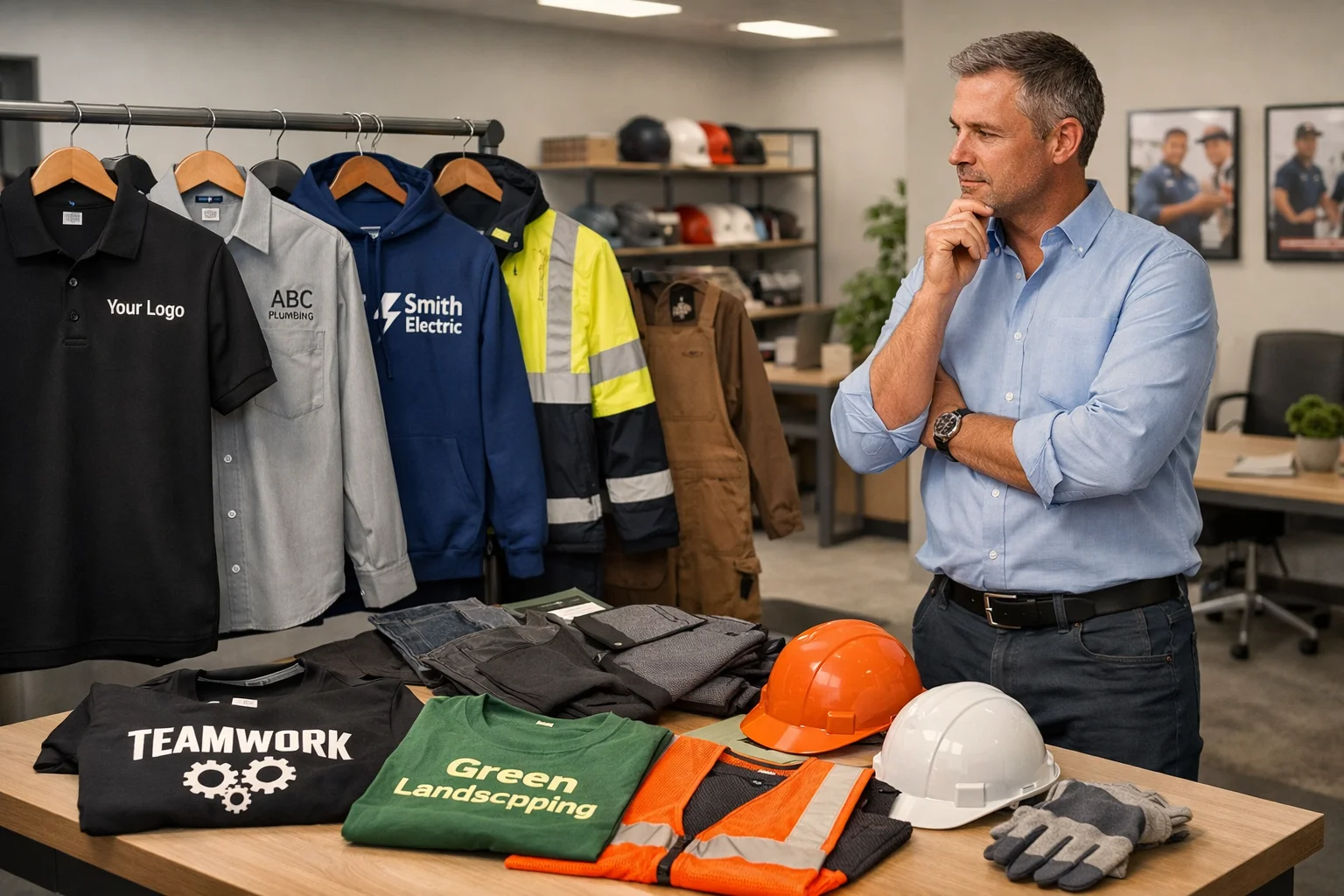
Not every piece of workwear has the same function. Today’s businesses can choose from a wide variety of clothing options, each appropriate for specific positions, settings, and branding requirements.
Companies can make purchase decisions that benefit their employees and professional reputation by understanding what custom workwear includes and how each category functions in practice.
Embroidered Garments and Their Strengths
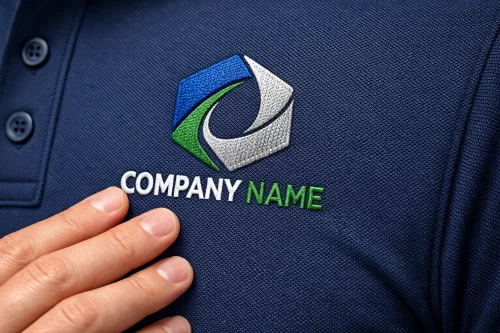 Stitching a design, usually a name, logo, or a combination of both, directly onto fabric is known as embroidery. The end product is a textured, long-lasting ornamentation that maintains its shape even after many washings and regular everyday use.
Regardless of how demanding the workplace is, this approach works well for companies that want their branding to look high-end and consistent across a wide range of clothing items.
The Role of Printed Workwear
Printed clothing applies a graphic to a fabric surface using heat transfer or ink-based techniques. More intricate artwork and a wider colour palette are possible with this method than with needlework.
It is especially effective for advertising apparel, event attire, or situations where aesthetic intricacy is more important than the decoration’s long-term durability.
Hi-Visibility Clothing and Safety
 Many sectors have regulations requiring employees to be easily recognised in low light or during heavy traffic. This criterion is immediately and compliantly met by high-visibility clothing made in bright yellow or orange with reflective strips. incorporated.
This type of apparel is necessary for construction sites, road maintenance operations, warehouses, and utility businesses to fulfil their basic duty-of-care obligations to their employees and meet legal requirements.
Outdoor and Weather-Resistant Options
Outdoor settings and field-based jobs require apparel that shields the wearer from changing weather without limiting comfort or mobility. Without the bulk of bulky apparel, softshell jackets offer wind resistance and moderate water resistance.
In places where temperatures fluctuate significantly during a single work shift, fleece apparel is sometimes worn under other clothes to provide reliable warmth in the colder months.
Polo Shirts in Professional Settings
 Many industries don’t require technically structured clothing, but they do require a professional appearance. Polo shirts combine a relaxed fit that works well in a variety of professional environments with a clean collar, creating a truly practical middle ground.
This sort of clothing, which accepts both printed and embroidered branding with equal efficacy and uniformity, is frequently used in retail, the hospitality industry, and client-facing service roles.
Trade and Technical Clothing
Technical specialists and tradespeople need clothing that goes far beyond appearances. Trade apparel is distinguished from conventional branded equivalents by reinforced seams, multiple deep pockets, and materials designed to resist tearing and wear.
This category includes boiler suits, cargo pants and heavy-duty work shirts, all of which provide protection and functionality tailored for physically demanding or hazardous work settings.
Matching the Garment to the Task
 When workwear is chosen without first considering the specific requirements of a role, comfort and performance can be adversely affected. A site engineer or a store supervisor needs something quite different from a kitchen worker.
Everyone benefits greatly from taking the effort to comprehend the physical demands of each function, including the need for movement and exposure to environmental factors.
A Layered Approach for Larger Businesses
Businesses with various workforces frequently discover that not every team can be adequately served by a single sort of clothing.
Each group is given gear suited to their surroundings through a tiered approach that pairs office-based employees with embroidered polos and outdoor workers with high-visibility apparel.
The company’s overall visual coherence can then be preserved with a common colour scheme and uniform logo treatment.
Choosing Based on Value, Not Just Price
Seldom does the cheapest solution produce the best results over time. Compared with better-made alternatives, clothing that fades rapidly, wears out early, or doesn’t meet basic safety regulations will cost more to replace over time.
It is consistently more profitable to evaluate workwear based on factors such as durability, role compatibility, and brand finish quality than to base selections solely on price.