


HMRC tax refunds usually go into a bank account within 3 to 5 working days if claimed online, while cheque payments can take up to 6 weeks.
Self Assessment refunds are typically processed within 8 to 10 working days, although delays can occur if additional checks are required.
The exact timing depends on the claim method, accuracy of details, and HMRC’s verification process.
Key Takeaways:
- Online claims are the fastest way to receive an HMRC tax refund
- PAYE refunds via P800 are often processed within a few days
- Self Assessment refunds usually take around 10 working days
- Paper claims and cheque payments significantly increase waiting time
- Delays may happen due to security checks or incorrect information
- Refund status can be tracked through the HMRC personal tax account
When Will You Receive Your HMRC Tax Refund in the UK?
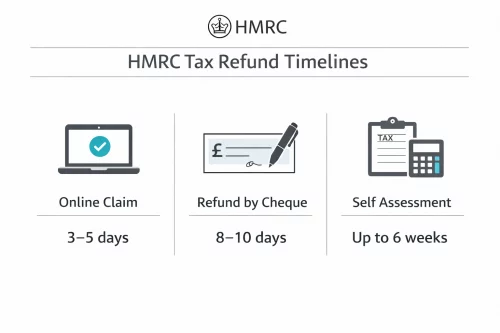

Understanding how long it takes for an HMRC tax refund to go into a bank account is essential for anyone expecting a repayment. In the UK, the timeline varies depending on how the refund is claimed and the method used to receive the payment.
For most taxpayers, online claims are the quickest route. Once HMRC processes and approves the refund, the money is typically transferred to a bank account within 3 to 5 working days. This applies mainly to PAYE taxpayers who receive a P800 letter and choose to claim their refund online.
In contrast, those who opt for cheque payments experience longer waiting periods. HMRC may take up to 14 days to issue the cheque, and postal delivery times can extend the overall process to several weeks. This makes cheque payments significantly slower compared to digital transfers.
Self Assessment refunds follow a slightly different timeline. After submitting a tax return, HMRC generally processes refunds within 8 to 10 working days. However, this depends on whether the return is straightforward or requires further checks.
The variation in timelines highlights the importance of choosing the right method and ensuring all information provided is accurate. Even small errors can introduce delays that extend beyond the standard processing times.
What Are the Typical HMRC Tax Refund Timescales for Different Claims?
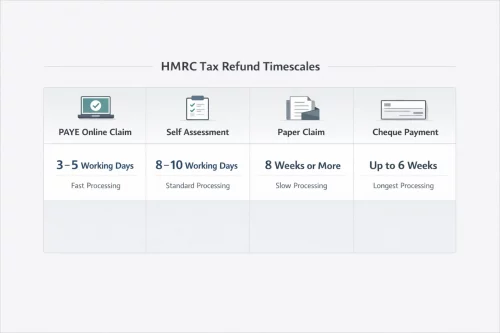
Different types of tax refunds come with different processing expectations. HMRC handles PAYE, Self Assessment, and manual claims in distinct ways, which directly affects how long the refund takes to reach a bank account.
PAYE refunds are usually triggered automatically when HMRC identifies that too much tax has been paid. This often results in a P800 tax calculation letter. Once the taxpayer submits a claim online, the refund is processed quickly.
Self Assessment refunds rely on submitted tax returns. These require validation, which can take additional time depending on the complexity of the financial information provided.
Paper claims remain the slowest option. These involve manual processing and verification, which significantly increases waiting times.
| Claim Type | Processing Method | Typical Timeframe |
| PAYE Online Claim | Digital | 3 to 5 working days |
| Self Assessment | Online submission | 8 to 10 working days |
| Paper Claim | Manual processing | 8 weeks or more |
| Cheque Payment | Postal delivery | Up to 6 weeks |
A tax professional shared a common observation: “People often expect all refunds to follow the same timeline, but HMRC processes each type of claim differently. PAYE refunds are usually quicker because the data is already available to HMRC.”
This distinction is important because it helps taxpayers set realistic expectations and avoid unnecessary concern when waiting for their refund.
How Do HMRC Refund Methods Affect Payment Time?
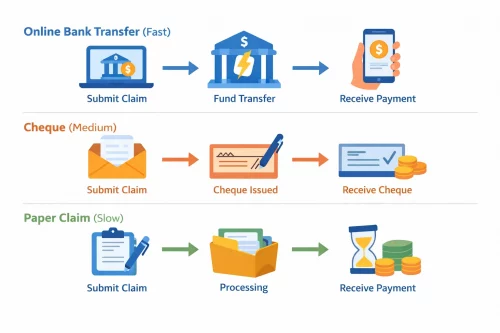
The method chosen to receive a tax refund plays a crucial role in determining how long it takes for the money to reach a bank account.
HMRC offers multiple refund options, but each comes with different processing speeds and potential delays.
Choosing the right method can significantly reduce waiting time and improve overall efficiency.
Online Bank Transfers
Online bank transfers are the fastest and most efficient way to receive an HMRC tax refund. Once the claim is approved, the payment is usually processed within 3 to 5 working days.
This method is widely preferred because it eliminates the need for postal handling and manual intervention.
The process is straightforward when using the HMRC personal tax account or mobile app. After submitting the claim, the system verifies the details and initiates the transfer directly to the provided bank account.
A financial consultant explained this clearly: “In most cases, online transfers are completed quickly because the system is automated. As long as the bank details are correct, there is very little that can delay the payment.”
However, even with online transfers, delays can occur if the submitted bank details do not match the taxpayer’s records or if additional checks are triggered.
Cheque Payments
Cheque payments take considerably longer compared to bank transfers. HMRC typically issues a cheque within 14 days of approving the refund, but the total time can extend to several weeks due to postal delivery and bank processing times.
Once the cheque is received, the taxpayer must deposit it into their bank account, which adds another layer of delay. This makes cheque payments one of the slowest methods for receiving a refund.
Some taxpayers still prefer cheques, particularly if they do not use online banking services. However, this method carries risks such as postal delays or lost mail, which can further extend the waiting period.
Paper-Based Claims
Paper-based claims are the slowest option available for requesting an HMRC tax refund. These claims require manual processing, which involves reviewing documents, verifying details, and entering data into HMRC systems.
Because of the manual nature of this process, paper claims can take 8 weeks or more to complete. During busy periods, such as the end of the tax year, processing times may increase even further.
In addition, paper submissions are more likely to contain errors or missing information, which can trigger additional checks and further delays.
For this reason, HMRC generally encourages taxpayers to use digital services wherever possible. Switching to online methods not only speeds up the process but also reduces the likelihood of mistakes.
Why Might Your HMRC Tax Refund Be Delayed?
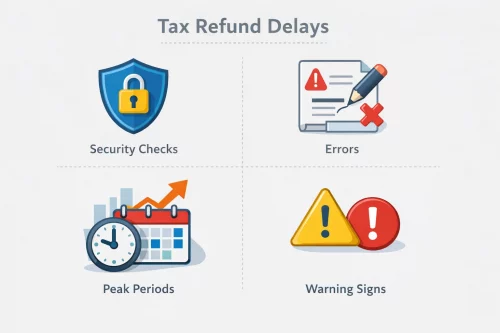
Even when a refund is submitted correctly, there are several reasons why it might take longer than expected to reach a bank account. HMRC follows strict procedures to ensure accuracy and prevent fraud, which can sometimes slow down processing.
Understanding the common causes of delays can help taxpayers identify potential issues and take steps to avoid them.
Security Checks
Security checks are one of the most common reasons for delays in HMRC tax refunds. These checks are designed to prevent fraud and ensure that refunds are issued to the correct individuals.
HMRC may carry out additional verification if there are unusual patterns in the claim, such as large refund amounts or changes in personal details. First-time claims or updates to bank account information can also trigger these checks.
While these checks are necessary, they can add several days or even weeks to the processing time.
Incorrect Details
Incorrect or incomplete information is another major cause of delays. Even small errors, such as a typo in a bank account number or an incorrect National Insurance number, can prevent the refund from being processed.
When HMRC detects an issue, the payment may be rejected or held until the correct details are provided. This often requires the taxpayer to resubmit information or contact HMRC directly.
Ensuring that all details are accurate before submitting a claim is one of the most effective ways to avoid delays.
Peak Periods
Processing times can increase significantly during peak periods when HMRC receives a high volume of claims. This is particularly common around the end of the tax year and the Self Assessment deadline.
During these times, even straightforward claims may take longer to process due to system congestion and increased workload.
Planning ahead and submitting claims early can help reduce the impact of these delays.
Errors in Submissions
Errors in tax returns or supporting documents can also slow down the refund process. These errors may include incorrect income figures, missing information, or inconsistencies between different parts of the submission.
When HMRC identifies an error, it may need to carry out a manual review or request additional information. This interrupts the normal processing flow and extends the timeline.
In some cases, repeated errors can lead to further scrutiny, which adds even more time to the process.
Carefully reviewing all information before submission helps minimise the risk of delays and ensures that the refund is processed as efficiently as possible.
What Can You Do to Speed Up Your HMRC Refund?
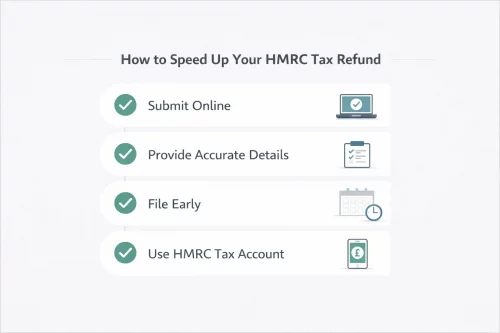
Although some aspects of the refund process are outside a taxpayer’s control, there are several actions that can improve the chances of receiving a refund quickly.
Using HMRC’s online services is the most effective step. Digital submissions are processed faster and reduce the likelihood of manual errors. Taxpayers who use their personal tax account or the HMRC app benefit from quicker processing times.
Accuracy is equally important. Ensuring that all details match official records helps prevent delays caused by verification checks. This includes confirming bank account information, National Insurance numbers, and income details.
Timing also plays a role. Submitting claims early, particularly outside peak periods, can lead to faster processing.
| Action | Impact on Speed | Reason |
| Online submission | High | Faster processing |
| Accurate details | High | Fewer verification checks |
| Early submission | Medium | Avoids peak delays |
| Regular status checks | Low | Helps identify issues early |
These steps, while simple, can make a noticeable difference in how quickly a refund is received.
How Can You Check the Status of Your HMRC Refund?
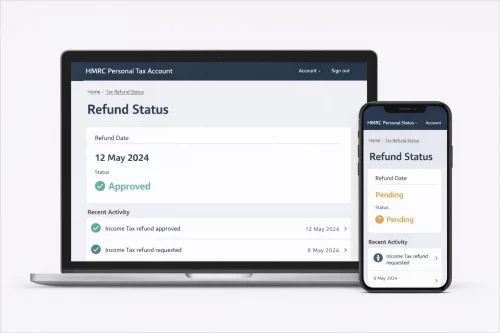
Tracking a refund provides visibility into the process and helps taxpayers understand whether their payment is progressing as expected. HMRC offers several tools for checking the status of a claim.
The personal tax account is the most comprehensive option. It allows users to view updates, confirm whether a refund has been approved, and check if a payment is pending.
The HMRC mobile app offers similar functionality, making it convenient for users to monitor their refund on the go.
When a refund is marked as pending, it usually means that the payment has been approved and is in the final stages of processing. This stage typically lasts a few days before the funds are transferred to the bank account.
A tax adviser noted: “Many people assume pending means a delay, but in most cases, it simply indicates that the payment is being processed and will arrive shortly.”
Regular monitoring can help taxpayers stay informed and act quickly if any issues arise.
What Is a P800 Tax Calculation and How Do You Claim Your Refund?
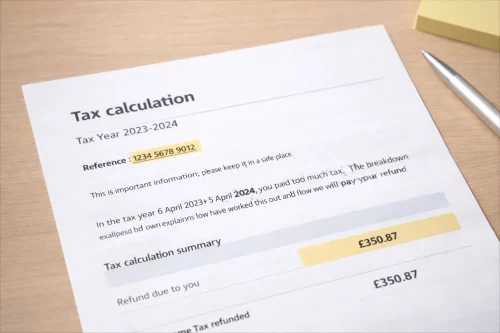
A P800 tax calculation is issued by HMRC when it determines that a taxpayer has paid too much or too little tax. This calculation is based on information collected from employers, pension providers, and other sources.
When the P800 indicates a refund, it provides instructions on how to claim it. In many cases, taxpayers can claim their refund online using a secure bank transfer service.
The process requires specific details to verify identity and ensure the payment is sent to the correct account.
| Required Information | Purpose |
| P800 reference number | Identifies the claim |
| National Insurance number | Confirms identity |
| Bank account details | Enables payment |
If the P800 states that a cheque will be issued automatically, no action is required. The cheque is typically sent within a couple of weeks.
A tax specialist described the process from experience: “Many taxpayers overlook the P800 letter, not realising it contains clear instructions on how to claim their refund quickly. Acting on it promptly can significantly reduce waiting time.”
Understanding how the P800 system works can help taxpayers avoid unnecessary delays and ensure they receive their refund efficiently.
What Should You Do If Your Refund Has Not Arrived After 10 Working Days?
If a refund has not been received within 10 working days after approval, it may indicate a delay that requires further investigation. While some delays are normal, extended waiting times should be addressed.
Before contacting HMRC, it is important to confirm that the refund has been approved and that the correct payment method was selected. Checking the personal tax account can provide clarity on the current status.
If everything appears correct and the refund is still missing, contacting HMRC is the next step. Providing accurate information during the enquiry can help resolve the issue more quickly.
Relevant details to have ready include identification information and any reference numbers associated with the claim.
Taking a structured approach to resolving delays ensures that issues are identified and addressed efficiently.
How Do Tax Overpayments and Underpayments Affect Refunds?
Tax overpayments occur when more tax is paid than necessary during a financial year. This can happen for several reasons, including incorrect tax codes, changes in employment, or multiple income sources.
When HMRC identifies an overpayment, it initiates the refund process. This may involve issuing a P800 calculation or adjusting the taxpayer’s account.
Underpayments, on the other hand, occur when insufficient tax has been paid. In such cases, HMRC may request payment or adjust future tax codes to recover the amount owed.
| Scenario | Outcome | HMRC Action |
| Overpayment | Refund issued | P800 or direct repayment |
| Underpayment | Tax owed | Adjustment or payment request |
Understanding the difference between these scenarios helps taxpayers interpret HMRC communications and respond appropriately.
Overpayments result in refunds, while underpayments require corrective action. Recognising this distinction ensures that taxpayers can manage their finances more effectively and avoid confusion when dealing with HMRC.
Conclusion
The time it takes for an HMRC tax refund to go into a bank account depends on how the claim is made and whether additional checks are required.
While most online refunds are processed within a few working days, other methods such as cheque payments or paper claims can take several weeks.
By using online services, ensuring accuracy, and monitoring the status of the claim, taxpayers can significantly improve their chances of receiving their refund quickly.
FAQs
How long does HMRC take to process a refund after approval?
Once approved, HMRC typically sends refunds within 3 to 5 working days for online claims. However, this can vary depending on the payment method and any additional checks.
Can HMRC refunds arrive earlier than expected?
Yes, some refunds may arrive sooner, especially if processed quickly and no verification checks are required.
Why is my HMRC refund taking longer than 10 days?
Delays beyond 10 working days are often due to security checks, incorrect details, or high processing volumes.
Do weekends affect HMRC refund processing times?
Yes, working days exclude weekends and bank holidays, which can extend the overall waiting time.
Can I change my refund method after submitting a claim?
In most cases, once a claim is submitted, the payment method cannot be changed without contacting HMRC.
Is it faster to claim a refund through the HMRC app?
Yes, using the HMRC app or online account is one of the fastest ways to submit and track a refund.
What happens if HMRC sends my refund to the wrong account?
If incorrect bank details were provided, the payment may fail or be delayed. HMRC may contact you or require a new claim submission.