


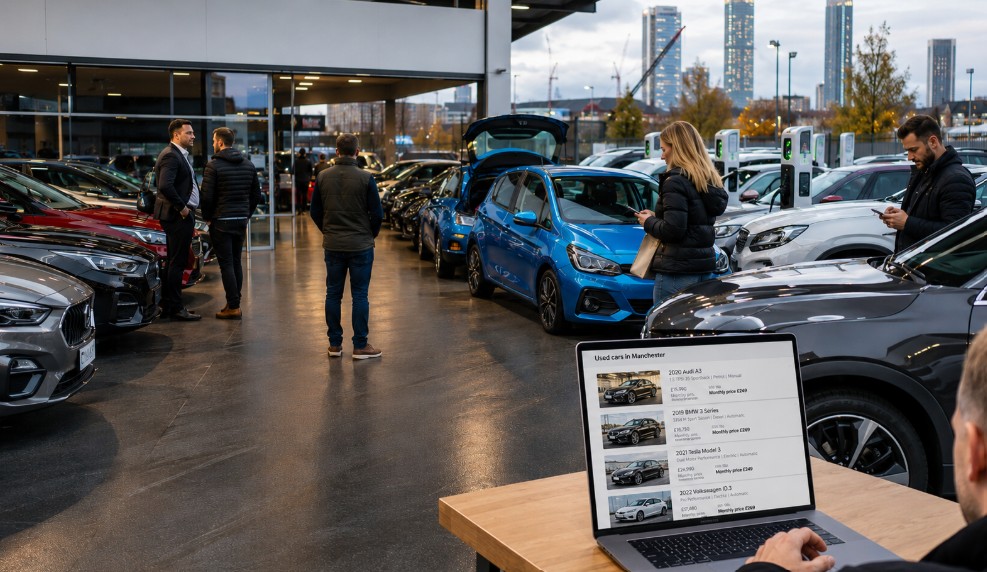
Manchester has always had a strong appetite for used cars. It’s a city that sprawls well beyond its centre, and for anyone living in Salford, Stockport or out towards Bury, a car is almost indispensable.
But the market buyers face today looks very different from the one that existed five years ago, and not just because of prices.
Supply shocks, changing buyer habits, a growing EV presence and a shift in how people access finance have all left their mark. There’s a lot to unpack here, so let’s get into how things have changed and what it means if you’re buying in Manchester right now.
How the Pandemic Reshaped Stock Levels and Prices?
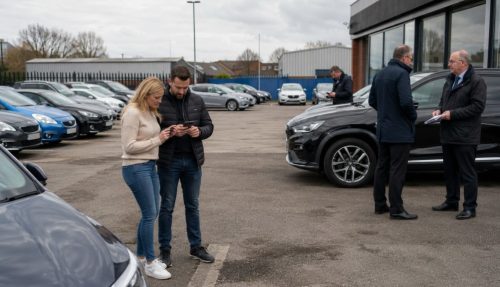

In Manchester, dealers that had previously struggled to shift older stock suddenly found themselves with near-empty forecourts. Prices climbed sharply.
A three-year-old Ford Focus that might have sat at £10,000 pre-pandemic was regularly hitting £13,000 or more by late 2021. That premium has eased since, but used car values in Greater Manchester still haven’t fully retreated to where they were in 2019.
What Auctions in the North West Can Tell You?
Trade auctions are a useful barometer for where the used market actually sits. Facilities serving the North West, including BCA’s Belle Vue auction centre in east Manchester and Manheim’s site near the Trafford Centre, have seen both the highs of the supply crunch and the gradual normalisation that followed.
By 2023 and into 2024, auction hammer prices for mainstream used cars started softening, particularly for petrol models in the three-to-five-year bracket.
Diesel, once a staple of Manchester’s commuter belt, has continued to slip as buyers weigh up longer-term running costs, tightening residual values and a broader shift away from the fuel type, even without the charging clean air zone that was proposed for the region and subsequently scrapped in 2022.
Manchester Dealerships and How They’ve Adapted


Click-and-collect buying, home delivery and fully online purchasing became standard during lockdowns and have stuck. Many dealers now expect customers to have already confirmed their used car finance in Manchester before arriving, having checked their budget through an app or online lender without a sales call or paperwork.
The days of walking onto a forecourt with no preparation and leaving with a car the same afternoon are less common, though they haven’t disappeared entirely.
EVs Are Slowly Arriving on Manchester Forecourts
Electric vehicles have started appearing in meaningful numbers at Manchester used car dealers, though the picture varies. City-centre and premium dealers have the broadest EV stock, while smaller independents are still largely petrol-and-diesel-focused.
Range anxiety and charging infrastructure are still genuine concerns for buyers outside the city centre. Chorlton and Didsbury residents with driveways are more likely to make the switch than someone renting a flat near Piccadilly with no access to home charging.
Prices on used EVs have dropped from the inflated levels seen in 2022, which has brought more buyers to the table, but residuals remain unpredictable.
Buying Online Versus the Forecourt
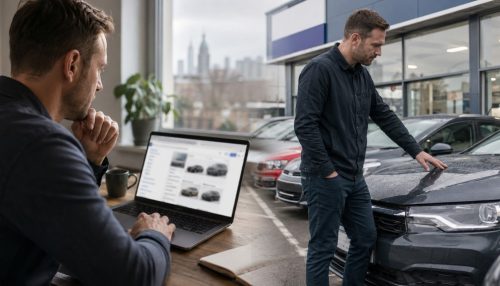

The hybrid approach of researching and financing online, then viewing in person, has become the default for many Manchester buyers. Local dealers have had to compete on more than just price, with reviews, transparency on vehicle history and after-sales support carrying more weight than they once did.
In Closing
Manchester’s used car market has gone through a genuine reset since 2020. Prices are off their peak but remain elevated compared to pre-pandemic levels, EV stock is growing but uneven, and the way people buy and fund cars has shifted permanently.
For buyers, that means more preparation pays off. Know your budget before you walk onto a forecourt, understand the finance options available to you, and don’t assume the first price you’re quoted is fixed. The market has matured in some ways, but there’s still room to buy well if you do your homework.