


Youlgrave garage suspends fuel sales due to a sharp increase in wholesale fuel costs following the Middle East conflict, making it financially unviable for the small independent business to continue supplying petrol and diesel.
The surge in global oil prices, combined with limited supplier advantages, has forced the garage to prioritise sustainability over service, directly impacting the local rural community.
Key Takeaways
- Fuel prices surged בעקבות rising global oil costs linked to geopolitical tensions
- Independent garages face greater financial pressure than large retailers
- Diesel and petrol prices increased significantly within a short period
- Rural communities are more affected due to limited nearby fuel options
- Heating oil and household energy costs have also risen sharply
- Global supply disruptions continue to influence UK fuel availability and pricing
Why Has Youlgrave Garage Suspended Fuel Sales In Derbyshire?


The situation in Derbyshire where Youlgrave garage suspends fuel sales is rooted in a sharp and sudden increase in wholesale fuel prices.
Mollie Ellis, who operates the garage, faced a difficult financial reality as supplier costs rose rapidly following geopolitical tensions in the Middle East. The increase was not gradual or manageable. It was immediate and steep, leaving little room for adjustment.
As a small independent garage, the business operates with limited financial flexibility. Fuel sales represent only a portion of its overall operations, with mechanical repairs and MOT services forming the core revenue stream.
However, fuel availability remains an essential service for the local community. When supplier prices surged, continuing to sell fuel would have required pricing that could alienate customers or result in direct financial losses.
The decision to suspend fuel sales reflects a practical approach to business sustainability. Selling at a loss is not a viable long term strategy, particularly for a small operation with a lean team. The garage employs only a handful of staff, making cost management critical to survival.
This situation also highlights a broader issue affecting independent fuel retailers. Unlike larger chains, small garages cannot absorb sudden increases in wholesale prices.
They must react quickly, often making difficult decisions that impact both their operations and their communities.
How Has The Middle East Conflict Affected Fuel Prices In The UK?
The escalation of conflict in the Middle East has had a direct and measurable impact on global oil markets. Oil is a globally traded commodity, and any disruption in supply or perceived risk to supply routes leads to immediate price fluctuations. In this case, military actions and rising tensions have created uncertainty, pushing prices upwards.
The increase in Brent Crude oil prices has been particularly significant. Within a short period, prices rose from around $73 per barrel to approximately $108. This level of increase is substantial and has a cascading effect on fuel prices worldwide, including in the UK.
Global Oil Price Movement Overview
| Date Range | Brent Crude Price | Change |
| Late February | $73 per barrel | Baseline |
| Mid March | $108 per barrel | +$35 increase |
This rise reflects market reactions to supply risks, particularly those associated with key transport routes.
What Role Does The Strait Of Hormuz Play In Global Oil Supply?
The Strait of Hormuz is one of the most strategically important waterways in the world. A significant portion of global oil shipments passes through this narrow channel. When access is threatened or restricted, the global market responds immediately.
Disruptions in this region create a ripple effect across supply chains. Traders anticipate shortages or delays, which leads to increased prices even before actual shortages occur. This speculative aspect of the market amplifies the impact of geopolitical events.
How Do Global Oil Prices Influence UK Petrol And Diesel Costs?
Fuel pricing in the UK is closely linked to global oil benchmarks. When oil prices rise, suppliers pass on these costs through the supply chain, eventually reaching petrol stations and consumers.
Oil Price To Pump Price Relationship
| Oil Price Increase | Estimated Pump Price Impact |
| $10 per barrel | 7 pence per litre |
| $20 per barrel | 14 pence per litre |
| $30 per barrel | 21 pence per litre |
This relationship explains why motorists often experience rapid price increases following international events. The connection between global markets and local prices is both direct and immediate.
How Much Have Petrol And Diesel Prices Increased At Youlgrave Garage?
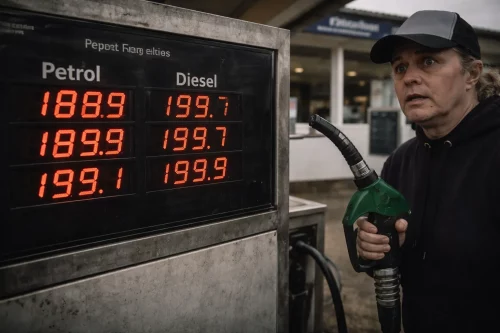
The price increases experienced by Youlgrave Garage were both sharp and uneven across fuel types. Super unleaded saw a rise of approximately 20 pence per litre, while diesel increased by more than double that amount. This discrepancy reflects differences in refining processes, supply chains, and demand patterns.
To remain financially viable, the garage would have needed to set significantly higher retail prices. These prices would likely have been among the highest in the local area, potentially reducing demand and creating dissatisfaction among customers.
Fuel Price Comparison At Youlgrave Garage
| Fuel Type | Price Increase | Required Selling Price |
| Super Unleaded | +20p | £1.82 per litre |
| Diesel | +40p or more | نزدیک £2.00 per litre |
These figures illustrate the scale of the challenge. For customers, such increases may seem abrupt and difficult to accept. For the business, they represent a threshold beyond which continuing sales becomes impractical.
The garage’s decision reflects a balance between maintaining customer trust and ensuring business sustainability. Charging significantly higher prices could damage long term relationships, while selling at a loss is not financially sustainable.
Why Can Small Independent Garages Struggle During Fuel Price Surges?
Independent garages operate under a very different model compared to large fuel retailers. Their scale, supplier relationships, and financial resources are limited, which makes them more vulnerable to sudden market changes.
Several structural challenges contribute to this vulnerability:
- Limited access to bulk purchasing discounts
- Dependence on a small number of suppliers
- Lower overall sales volume
- Reduced ability to spread risk across multiple locations
These factors create a situation where even modest increases in wholesale prices can have a significant impact on profitability.
Independent Vs Large Fuel Retailers
| Factor | Independent Garage | Large Retail Chain |
| Purchasing Power | Low | High |
| Supplier Options | Limited | Extensive |
| Financial Resilience | محدود | Strong |
| Pricing Flexibility | Low | Higher |
A fuel retail consultant explained this challenge in practical terms: “I have worked closely with independent garages, and the biggest issue is margin pressure. When wholesale prices spike, there is no buffer. They cannot negotiate better rates quickly, and they cannot absorb losses for long.”
This insight reflects a structural imbalance within the fuel retail market. Larger companies benefit from economies of scale, while smaller operators must navigate volatility with fewer resources.
How Does The Suspension Of Fuel Sales Impact The Local Community?

When Youlgrave garage suspends fuel sales, the effects extend beyond the business itself and into the daily lives of local residents. Rural communities often depend heavily on nearby services, and the loss of a local fuel source can create significant inconvenience.
The impact is particularly pronounced for certain groups:
- Elderly residents who rely on nearby facilities
- Farmers who need fuel for agricultural equipment
- Individuals without easy access to transport
The nearest alternative fuel stations are located several miles away. While this distance may seem manageable in urban contexts, it can present real challenges in rural settings where public transport options are limited.
Local Accessibility Comparison
| Location | Distance From Youlgrave | Travel Impact |
| Bakewell | 4+ miles | Moderate inconvenience |
| Newhaven | 4+ miles | Similar impact |
An observation from the local perspective captures this reality: “In rural areas, a few miles can make a big difference. People plan their routines around nearby services, and when those services disappear, it disrupts daily life more than many would expect.”
This highlights the importance of local infrastructure in maintaining community stability.
What Does This Situation Reveal About Fuel Supply Issues In Rural UK Areas?
The suspension of fuel sales at a single garage reveals broader systemic challenges within rural fuel supply networks. These areas often lack redundancy, meaning there are fewer alternatives when one provider is unable to operate.
Rural fuel supply is shaped by several key factors:
- Lower population density reducing demand
- Higher transportation costs for deliveries
- Limited competition among suppliers
These conditions create a fragile system where disruptions can have outsized effects. Unlike urban areas, where multiple petrol stations may exist within a short distance, rural communities may rely on just one or two providers.
The situation also raises questions about long term sustainability. If independent garages continue to face financial pressure, more may choose to reduce or suspend fuel services, further limiting access in rural regions.
How Are Households And Businesses Beyond Motorists Affected By Rising Fuel Costs?
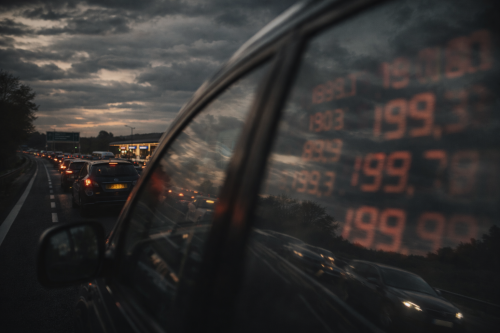
In Derbyshire, a significant proportion of homes are not connected to the gas network. This reliance on alternative fuels makes them more vulnerable to price fluctuations.
Heating Oil Price Increase Example
| Period | Price Per Litre |
| Previous स्तर | 58 pence |
| Recent Increase | £1.30 |
This increase represents more than a doubling of cost, placing strain on household budgets.
A resident described the impact in clear terms: “We were not expecting such a sharp rise. The cost has more than doubled, and it changes how we manage our monthly expenses.”
Businesses are also affected, particularly those that rely on fuel for operations or logistics. Increased costs can reduce margins, force price increases, or limit activity.
The broader economic effect includes:
- Increased cost of living
- Reduced disposable income
- Higher operational costs for small businesses
These factors contribute to a wider economic ripple effect that extends beyond the fuel sector.
The future of fuel prices in the UK remains closely tied to global developments. If geopolitical tensions persist, prices are likely to remain elevated or even increase further. Market volatility is expected to continue, creating uncertainty for both businesses and consumers.
Several possible scenarios may unfold:
- Continued price volatility driven by global conflict
- Gradual stabilisation if tensions ease
- Increased pressure on small fuel retailers
- Potential policy responses or market interventions
An industry observer noted: “We are entering a period where unpredictability is the norm. Businesses need to be prepared for rapid changes, and flexibility will be key to navigating the months ahead.”
This perspective reflects a broader shift in the energy landscape, where external factors play an increasingly significant role in local outcomes.
The situation involving Youlgrave garage serves as a clear example of how global events can influence local realities. It demonstrates the interconnected nature of energy markets and the challenges faced by smaller operators in adapting to rapid change.
Conclusion
The situation where Youlgrave garage suspends fuel sales reflects the growing pressure on small businesses amid global fuel price volatility.
Rising oil costs linked to the Middle East conflict have exposed vulnerabilities in rural fuel supply and independent retail operations.
For local communities, the impact goes beyond inconvenience, highlighting reliance on nearby services.
This case underlines how international events can directly shape everyday access to essential resources across the UK.
FAQs
Why are UK fuel prices rising so quickly?
Fuel prices are increasing due to higher global oil costs, largely influenced by geopolitical tensions and supply disruptions.
What is Brent Crude and why does it matter?
Brent Crude is a global benchmark for oil prices. Changes in its price directly affect petrol and diesel costs in the UK.
Why did Youlgrave garage stop selling fuel?
The garage suspended fuel sales because rising wholesale prices would have forced them to sell at a loss.
Are rural areas more affected by fuel shortages?
Yes, rural areas often rely on fewer suppliers, making them more vulnerable to disruptions.
How far do residents need to travel for fuel now?
The nearest fuel stations are over four miles away, in Bakewell and Newhaven.
Why has diesel increased more than petrol?
Diesel prices can rise more sharply due to differences in refining, demand, and supply chain pressures.
Can small garages survive rising fuel costs?
It can be difficult, as they often lack the financial flexibility and supplier advantages of larger retailers.