
























Small enterprises have long been the backbone of the UK economy, driving innovation, creating jobs, and shaping communities.
However, the future of these businesses looks far different from the past. With evolving consumer habits, technological advancements, and an unpredictable economic climate, small enterprises must adapt to survive and thrive.
As industries evolve, the ability to anticipate and embrace new trends has become a defining feature of successful small business owners.
The upcoming years promise transformation across digital operations, sustainability, finance, and workforce structures. Below, we explore the most impactful trends shaping the landscape of small enterprises and what they mean for the future.
What Trends Are Shaping the Future of Small Enterprises?
 The UK’s small business sector is experiencing a wave of innovation and disruption. Shifting economic realities, combined with increased consumer awareness, are driving enterprises to rethink strategies, embrace modern tools, and focus on long-term resilience.
Many businesses are learning that adaptability, not scale, is their greatest strength. They are evolving into digital-first organisations, prioritising flexibility, community engagement, and sustainable growth over traditional expansion models.
This ability to pivot quickly is helping them withstand challenges such as inflation, supply chain disruptions, and shifting regulations.
The future belongs to businesses that can learn, adapt, and leverage data and technology to build stronger relationships with their customers.
How Is Digital Transformation Redefining Small Business Operations?
Digital transformation is no longer a luxury, it’s a necessity for small enterprises that want to remain competitive. From cloud-based accounting systems to automated customer support, technology is reshaping how small businesses function and deliver value.
The Shift Toward Automation and Data-Driven Decisions
More SMEs are adopting automation tools to streamline repetitive tasks and improve accuracy. Accounting software, CRM systems, and AI-powered chatbots are helping businesses save time while reducing overhead costs.
Data analytics is becoming equally vital. It allows owners to make informed decisions about product launches, customer targeting, and market positioning. Businesses that embrace digital transformation gain insights that give them a clear advantage over those relying on intuition alone.
Benefits of Going Digital
- Efficiency Gains: Automated workflows reduce errors and speed up operations.
- Better Customer Experiences: Digital engagement builds loyalty through personalisation.
- Remote Collaboration: Cloud platforms support flexible teams and improve coordination.
As the digital landscape evolves, businesses that invest early in technology are positioning themselves for long-term growth.
Are Sustainability and Green Practices Becoming Essential for SMEs?
Sustainability is no longer just a talking point, it’s a business imperative. Modern consumers increasingly choose brands that reflect their values, and sustainability ranks high among them.
Why Green Business Matters?
Adopting eco-friendly practices isn’t only about reducing environmental impact; it’s also about achieving cost efficiency and market relevance. For instance, businesses switching to energy-efficient lighting, reducing packaging waste, or sourcing local materials often see long-term financial savings.
Moreover, sustainable operations attract conscious consumers and investors who prioritise ethics in business. For small enterprises, this translates into a stronger brand image and customer loyalty.
Government incentives and green grants are also motivating SMEs to adopt cleaner technologies. This convergence of environmental responsibility and financial opportunity makes sustainability a defining trend for the next generation of businesses.
How Are Remote Work and Flexible Models Changing Small Business Structures?
 The COVID-19 pandemic accelerated a workplace revolution that continues to reshape small enterprises. Remote and hybrid work models have evolved from temporary measures into permanent features of modern employment.
Flexible Work as a Competitive Edge
Small businesses are using flexibility to attract and retain top talent. Unlike large corporations bound by rigid hierarchies, smaller firms can adapt working patterns quickly, offering part-time, remote, or project-based roles that suit a wider variety of employees.
Key Shifts in Workforce Dynamics
- Hybrid Collaboration: Teams blend digital and in-person work for efficiency.
- Broader Talent Pools: Businesses can now hire skilled professionals from across the UK or globally.
- Improved Employee Wellbeing: Flexibility fosters better work–life balance and reduces burnout.
This adaptability helps SMEs maintain productivity while fostering an inclusive, satisfied workforce.
What Role Does E-Commerce Play in Expanding Small Business Reach?
E-commerce has redefined accessibility for small businesses. What was once a barrier, limited physical reach, has become an opportunity through digital retail channels.
The rise of online platforms, from Shopify and Etsy to social-media marketplaces, has levelled the playing field for smaller sellers. Even niche brands can now reach international audiences with minimal infrastructure investment.
Building Omnichannel Strategies
Today’s small enterprises are not just operating online, they are merging physical and digital experiences. Customers can browse products online, purchase through mobile apps, and collect items in-store.
Benefits of E-Commerce Growth
- Lower Entry Barriers: Online platforms allow easy market entry with modest capital.
- Personalised Marketing: Data tools enable targeted campaigns that improve conversion rates.
- Customer Accessibility: 24/7 availability enhances convenience and brand visibility.
E-commerce has become a cornerstone of business scalability, allowing even micro-enterprises to compete in the global economy.
How Are Small Enterprises Adapting to Changing Consumer Expectations?
Consumer behaviour is constantly evolving, and small enterprises are learning to adapt quickly. The modern customer values authenticity, responsiveness, and purpose.
Personalisation and Human Touch
Unlike large corporations, small businesses can create more personalised interactions. Whether it’s through customised packaging, tailored services, or responsive communication, SMEs can cultivate trust and loyalty by making every customer feel valued.
Digital Engagement and Storytelling
Social-media marketing allows small businesses to tell their story directly to their audience. Sharing behind-the-scenes processes, customer testimonials, or sustainability efforts helps humanise the brand.
The future belongs to those who balance technology with empathy, combining convenience with meaningful engagement that connects emotionally with consumers.
What Funding and Financial Innovations Are Empowering SMEs?
 Access to finance has always been a key challenge for small enterprises, but new solutions are emerging that simplify capital access and financial management.
Fintech and Alternative Funding Options
Digital finance platforms are revolutionising how SMEs raise and manage funds. Crowdfunding sites, peer-to-peer lending, and invoice-financing apps have opened new pathways beyond traditional bank loans.
At the same time, digital-only banks and smart budgeting apps are helping small business owners manage transactions, forecast cash flow, and monitor spending in real time.
Government and Institutional Support
The UK government continues to promote entrepreneurship through grants and startup incentives. Programmes such as the British Business Bank and Innovate UK provide crucial support for emerging businesses.
According to londonbusinessinsider.co.uk, such funding avenues are becoming vital lifelines for small firms navigating post-pandemic recovery and digital transition.
How Important Are Collaboration and Local Networking in the SME Ecosystem?
In today’s interconnected economy, collaboration is one of the strongest tools for growth. Small enterprises are realising that community partnerships, local alliances, and shared spaces can boost visibility and innovation.
The Power of Networking
Networking allows business owners to exchange knowledge, share resources, and discover potential partners or clients. Local chambers of commerce, co-working hubs, and online communities offer spaces for collaboration that go beyond competition.
Collaborative Advantages
- Shared Expertise: Businesses can learn from others’ successes and challenges.
- Collective Bargaining: Joint initiatives can help negotiate better supplier deals.
- Community Growth: Collaboration strengthens local economies and mutual trust.
These partnerships foster resilience and help small enterprises scale sustainably.
How Will AI and Automation Shape the Next Decade for Small Businesses?
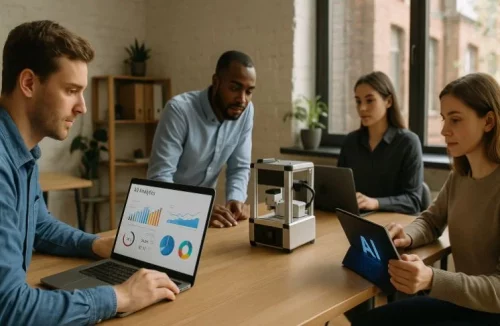 Artificial intelligence is moving from theory to practice in the SME world. Once reserved for large corporations, AI is now accessible through affordable, scalable tools.
AI as a Growth Driver
AI enhances decision-making, optimises marketing campaigns, and predicts consumer trends. Small businesses are using machine learning to automate repetitive tasks, from email marketing to inventory management.
Transformative Potential
AI doesn’t replace human creativity, it amplifies it. For example, chatbots handle routine customer queries, allowing staff to focus on complex interactions. Predictive analytics helps companies forecast demand and plan inventory efficiently.
The integration of AI into daily operations will be one of the defining trends of the next decade, bridging the gap between limited resources and limitless potential.
Conclusion
The future of small enterprises in the UK is defined by innovation, flexibility, and community-driven growth. Businesses that embrace digital transformation, sustainability, and collaborative networks are positioning themselves to lead in this changing economy.
While challenges remain, from inflation to evolving consumer habits, small enterprises are uniquely equipped to adapt quickly. Their ability to innovate with limited resources gives them a competitive edge that large corporations often lack.
As technology, sustainability, and human-centric strategies converge, small businesses are not just surviving, they’re shaping the future of the UK economy.
Success will belong to those who stay agile, customer-focused, and open to continual learning and reinvention.
FAQs
What are the biggest challenges small enterprises face in 2025?
Rising costs, talent shortages, and digital competition remain key challenges shaping small business operations today.
How is technology influencing small business growth?
Automation, AI, and e-commerce tools are helping small firms streamline operations and reach broader audiences efficiently.
Why is sustainability so important for small enterprises now?
Sustainability attracts conscious consumers, lowers long-term costs, and strengthens brand credibility in competitive markets.
Are funding options improving for small UK businesses?
Yes, alternative finance tools, fintech platforms, and government-backed grants are making capital more accessible than ever.
How can small businesses stay future-ready?
By embracing digital innovation, building community partnerships, and staying adaptable to market and consumer trends.