
























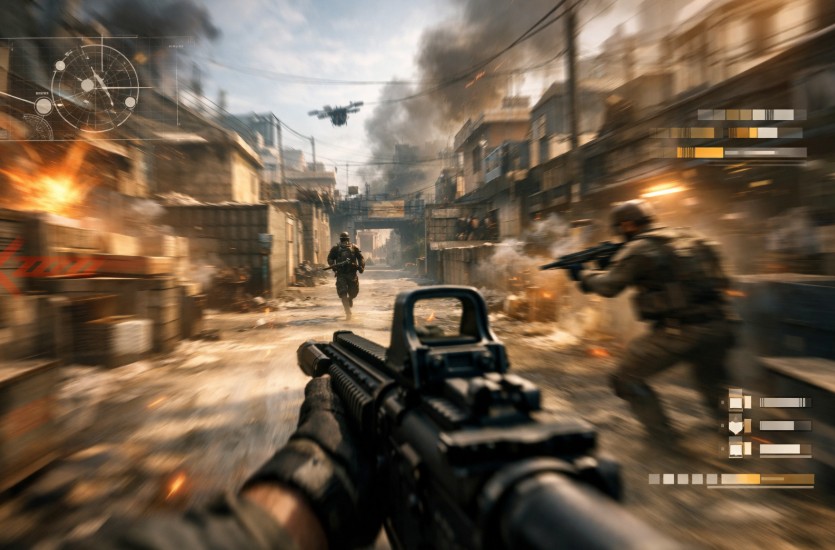
Few franchises have left a mark on first-person shooters like Call of Duty. Its influence stretches beyond sales charts and yearly launches, quietly setting expectations for how modern FPS games feel, look, and progress.
From pacing to player feedback loops, many contemporary shooters borrow ideas refined across Call of Duty’s long run.
At its core, the series prioritizes immediacy. Matches load quickly, weapons respond instantly, and players receive constant feedback for every action.
This design philosophy has shifted the genre away from slow burn encounters toward faster cycles of engagement and reward. Other studios now design maps, animations, and sound cues around this same sense of responsiveness.
How Did Call of Duty Redefine Progression, Maps, and Monetisation Fps?
Progression as a Design Driver
 One of Call of Duty’s most copied systems is progression pacing. Levels arrive at a steady rhythm, unlocking gear and cosmetic rewards often enough to keep attention high. This structure teaches players that short sessions still feel worthwhile.
Cosmetics play a central role here. Custom loadouts and visual personalization give players a sense of ownership over their playstyle.
Shopping for items like Call of Duty skins on Eneba fits into this ecosystem by supporting customization without altering competitive balance, a model many FPS titles now follow closely.
Map Design and Player Flow
Call of Duty popularized compact map layouts that funnel players into predictable engagement zones.
These spaces balance chaos and control, letting newcomers learn patterns while veterans master positioning. Clear sightlines, multiple routes, and fast respawn points reduce downtime and keep momentum high.
This approach has influenced how newer FPS games design their arenas. Large, empty maps have given way to tighter spaces that reward quick decision-making.
Even tactical shooters now blend moments of intensity with brief pauses, mirroring Call of Duty’s rhythm.
Monetization Without Friction
 Another lasting impact comes from how the franchise integrates monetization. Cosmetic stores and seasonal passes sit alongside gameplay rather than interrupt it. Purchases feel optional and cosmetic-focused, which keeps core mechanics intact.
This balance has become a standard across the genre. Players accept cosmetic monetization when it respects skill-based outcomes. Studios learned that visual flair can fund long-term support without upsetting competitive integrity.
Where to Buy Digital Games?
Players usually mix official platform stores with trusted digital marketplaces when buying games. Eneba stands out as a strong option for getting more value compared to storefronts like the PlayStation Store.
Eneba sells game keys, which are digital codes redeemed directly on platforms like PlayStation to add a game to your library.
The marketplace offers a broad catalog, competitive pricing, instant code access, clear region information, and active customer support. Gift cards for Xbox, PSN, and Steam are also available, letting users top up balances instead of searching for a specific title.
Setting Genre Expectations
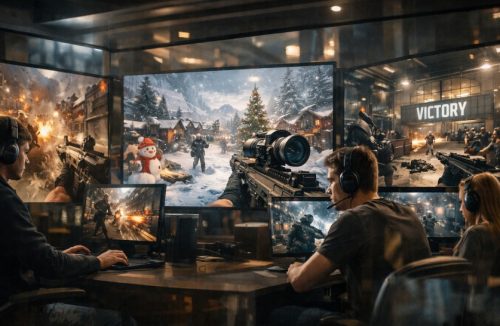 Call of Duty also shaped player expectations around updates and seasonal content. Regular patches, themed events, and limited-time modes keep the experience feeling current.
This cadence trained audiences to look for ongoing support rather than static releases. As a result, many FPS games now launch with long-term roadmaps in mind.
Players look for consistency, not just at release, but months later. That expectation traces back to how Call of Duty normalized continuous evolution within a familiar framework.
A Lasting Design Legacy
The franchise’s biggest influence may be subtle. It taught the industry how to respect players’ time while keeping engagement high.
Fast matches, clear rewards, and visual identity all contribute to a formula others continue to adapt.
As FPS design keeps evolving, Call of Duty’s fingerprints remain easy to spot. From progression systems to cosmetic economies, its ideas continue to guide development decisions.
For players exploring this wider ecosystem, digital marketplaces like Eneba offering deals on all things digital, make accessing games, add-ons, and credits simpler across platforms.