






















Video games have always been about more than pixels and polygons. Sure, they give us thrilling quests, epic battles, and endless hours of fun but at their core, the very best games create something even more powerful: communities.
From trading tips in schoolyards to global servers with millions of players, classics like Minecraft prove that great games don’t just entertain, they bring people together.
How Minecraft and Other Classics Built Communities?
The Block That Started It All
 When Minecraft launched in 2011, few could have predicted that a simple sandbox game made of blocks would become one of the best-selling games of all time.
Yet here we are, over a decade later, and it’s still dominating. What makes Minecraft truly special isn’t just the building, survival, or exploration it’s the community that’s flourished around it.
Millions of players log in daily to share worlds, collaborate on massive builds, or compete in mini-games. Owning a Minecraft key is like holding a passport into one of the most vibrant and creative communities gaming has ever seen.
It’s not about beating levels or chasing the highest score it’s about what you and others can create together.
Why Classics Stick Around?
Some games burn bright and fade fast, but others like World of Warcraft, Counter-Strike, or Minecraft stick around for decades. What do they all have in common? Community-driven longevity.
These games give players the tools to interact, compete, or collaborate in ways that keep things fresh. Think about it: no matter how polished a single-player campaign is, once you finish it, that’s usually it.
But in community-centered games, the fun never ends because it’s powered by people. One day you might be building castles with friends, the next you’re fighting strangers in PvP battles.
The variety comes not from the game developers alone, but from the endless creativity of players.
Shared Stories and Lasting Friendships
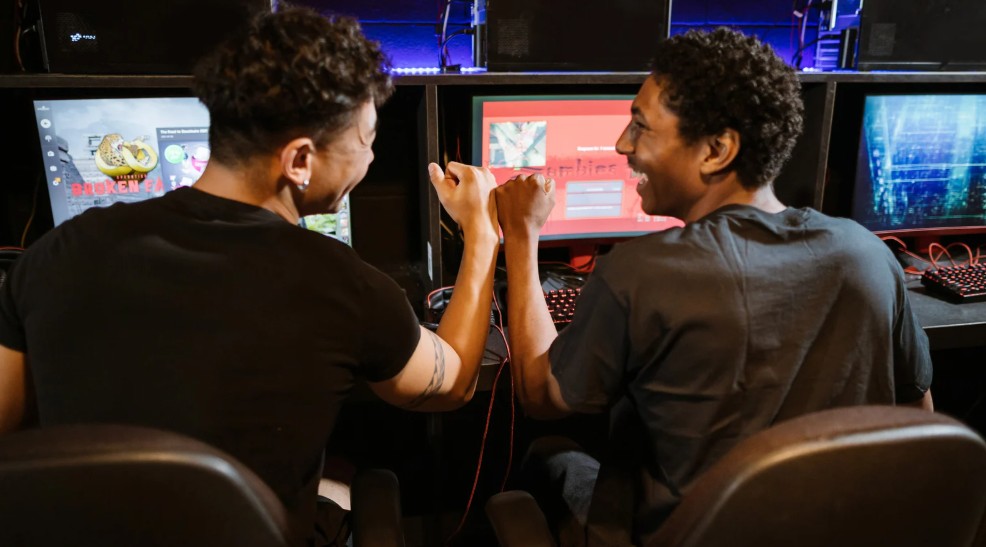
 It’s not just about gameplay mechanics, it’s about human connection. How many friendships, Twitch channels, or even careers have been born out of games like Minecraft?
People don’t just remember the bosses they fought or the structures they built; they remember the people they did it with.
That’s the secret sauce behind classics that endure. They transform from “just a game” into digital meeting grounds, places where memories are forged and shared stories live on.
When someone logs in years later, it’s not just nostalgia for the gameplay it’s nostalgia for the moments with friends.
The Role of Creativity and Freedom
A big reason Minecraft continues to thrive is its flexibility. Players aren’t restricted to a single narrative or linear path.
Instead, the game gives them the freedom to create their own fun, whether it’s massive online servers, adventure maps, or elaborate Redstone contraptions. That creative freedom ensures the community always has something new to explore.
Other classics have learned from this, too. Games like Roblox and even Fortnite have tapped into that community-driven creativity, offering players tools to build, customize, and share their own worlds. The result? Infinite replayability powered by the people who love the game.
The Legacy of Lasting Communities
In a gaming landscape where titles come and go with each new trend, the ones that endure are those that build strong, lasting communities.
Minecraft set the gold standard by proving that creativity plus collaboration equals a game that never grows old. And other classics continue to follow in its footsteps, keeping the spirit of shared play alive and thriving.
If you’re ready to dive into a world where the community is just as important as the game itself, platforms like Eneba digital marketplace make it easy to grab a copy and join the fun. Because in the end, it’s about finding a place to belong.