






















Is there a confirmed £450 cost-of-living payment for 2026? No. There is no confirmed £450 cost of living payment for 2026. As of February 2026, the UK Government, the Department for Work and Pensions, and HM Revenue and Customs have not announced or approved any new one-off £450 payment. The previous nationwide Cost of Living Payment scheme ended in 2024, and current support is delivered through lower energy bills and targeted discounts rather than direct cash transfers.
Key Takeaways:
- No official £450 cost-of-living payment has been confirmed for 2026
- The original Cost of Living Payment scheme ended in February 2024
- Support in 2026 focuses on reduced energy bills and the Warm Home Discount
- Most benefits increased by 1.7 per cent in April 2025
- Be cautious of scams claiming you are owed £450
This guide explains the facts, the source of the rumour, and where to find legitimate help.
Is There A Confirmed £450 Cost-of-Living Payment In 2026?
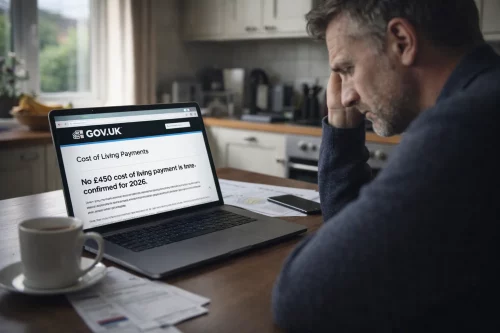 There is no confirmed £450 cost of living payment in 2026. Official guidance published on GOV.UK confirms that the previous Cost of Living Payment scheme has ended, and no new nationwide cash payment has been announced for this year. Neither the Department for Work and Pensions nor HM Revenue and Customs has issued any statement approving a £450 payment.
When checking whether a government payment is genuine, confirmation must come directly from official government channels such as GOV.UK, Budget statements, or formal departmental announcements. In this case, none of those sources confirm a £450 cost of living payment for 2026.
The key point for households across the UK is simple. There is no automatic £450 payment scheduled, and no application process exists because the payment itself has not been introduced.
Why Are People Searching For The £450 Cost-Of-Living Payment In The First Place?
Search interest in the £450 cost-of-living payment has grown because many households remember receiving substantial support between 2022 and 2024. During that period, millions of people received one-off payments to help with rising food prices, inflation, and energy bills. As living costs remain a concern, it is understandable that people expect further direct payments.
There are several reasons why the rumour continues to circulate:
- Ongoing financial pressure encourages people to look for new government help
- Old articles about previous payments remain online and are reshared without updated dates
- Social media posts repeat unverified claims
- Headlines sometimes focus on speculation rather than confirmed announcements
- Confusion between different benefit increases and separate support schemes
Another factor is how quickly information spreads online. A single misleading post can be copied across multiple websites, creating the impression that a £450 cost of living payment has been widely reported.
In reality, official updates about financial support are published through GOV.UK and recognised advice organisations. Without confirmation from those sources, any claim of a new £450 payment should be treated with caution.
Where Did The £450 Cost-Of-Living Payment Rumour Come From?
The £450 cost of living payment figure does not come from a new government announcement. Instead, it appears to stem from misunderstandings about previous payments made under earlier support schemes.
Between 2022 and 2024, different groups received different one off payments. For example:
- A £301 means tested Cost of Living Payment was issued in 2023
- A £150 Disability Cost of Living Payment was paid to eligible claimants
- A £299 payment was made as a final instalment in early 2024
When some of these figures are remembered and added together without context, they create totals close to £450. In particular, combining £301 and £150 produces £451, which is often rounded down and repeated online as £450.
Additional confusion arises when people mix up:
- Pensioner payments
- Disability payments
- Means tested support
- Local council grants
These payments were introduced at different times, for different groups, and under time limited schemes. They were never designed to form a single ongoing annual £450 cost of living payment. The rumour is largely the result of recycled figures and missing dates.
Were There Cost-of-Living Payments Before, And When Did They End?
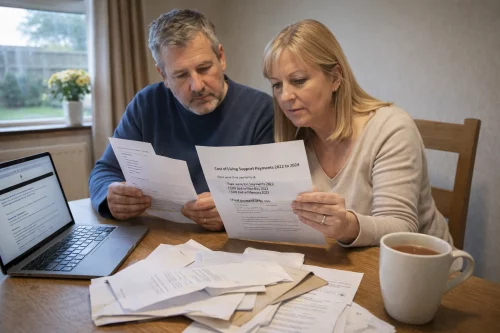 Yes, there were official Cost of Living Payments between 2022 and 2024. These were tax-free, one off payments delivered by the Department for Work and Pensions and HM Revenue and Customs to support households during a period of high inflation and energy price increases.
The scheme included payments for people receiving means-tested benefits, disability benefits, and pensioner support. However, the programme was temporary and has now closed. The final nationwide payment of £299 was made between 6 and 22 February 2024.
Below is a simplified timeline of key payments:
| Year | Type Of Support | Amount | Main Recipients |
| 2022 | Cost of Living Payment | £650 | Means-tested benefit claimants |
| 2022 | Disability Cost of Living Payment | £150 | Disability benefit claimants |
| 2022 | Pensioner Payment | £300 | Pensioners receiving Winter Fuel Payment |
| 2023 to 2024 | Cost of Living Payments | Up to £900 total | Means-tested benefit claimants |
| Feb 2024 | Final instalment | £299 | Eligible benefit claimants |
After February 2024, no further automatic Cost of Living Payments were scheduled. The scheme formally ended, and no extension has been announced for 2026.
What Support Exists In 2026 Instead Of A £450 cost-of-living payment?
Although there is no £450 cost-of-living payment in 2026, support has not disappeared. Instead of issuing new lump sum payments, the government has shifted towards structural changes and targeted assistance.
From April 2026, households are expected to see changes to energy bills. Policy costs that were previously added to energy bills are being adjusted, with the aim of reducing the average household bill by around £150 per year. This reduction applies automatically and does not require a separate claim.
The Warm Home Discount continues to provide targeted support to eligible low-income households. This scheme offers a £150 discount on electricity bills, and eligibility has been expanded so that more households can benefit.
In addition, most welfare benefits increased by 1.7 per cent in April 2025. This includes Universal Credit and other related benefits. While this is not a one-off £450 cost-of-living payment, it does provide ongoing financial support through regular benefit payments.
Other support routes include:
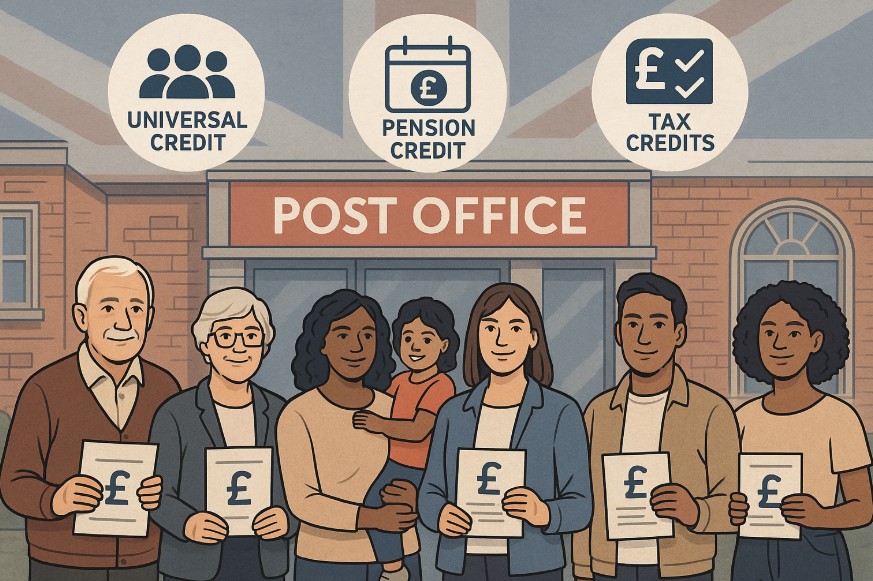
- Universal Credit for low-income households
- Pension Credit for older people on a low income
- Winter Fuel Payments for eligible pensioners
- Household Support Fund distributed by local councils
This approach reflects a shift away from universal cash payments towards targeted and automatic forms of support.
Does This Support Get Paid Into Your Bank Like The Old Payments?
In most cases, no. The reduction in energy bills is applied directly through your supplier rather than being paid into your bank account. The Warm Home Discount is also applied as a discount on your electricity bill, not as a separate cash transfer.
Regular benefits such as Universal Credit continue to be paid into bank accounts as usual, but there is no new one-off £450 cost-of-living payment being deposited in 2026.
Who Can Still Get Targeted, Legitimate Help With The Cost Of Living In 2026?
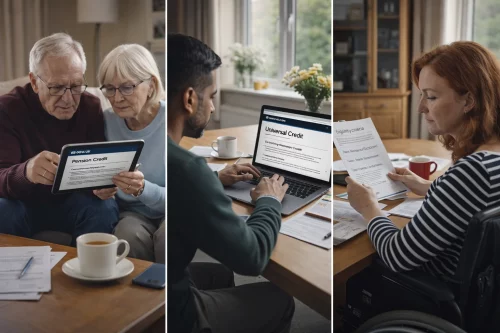 While the £450 cost-of-living payment has not been introduced, several groups can still access legitimate support in 2026. Assistance is now more targeted and based on circumstances rather than universal payments.
People who may qualify for help include:
- Individuals receiving Universal Credit
- Pensioners eligible for Pension Credit
- Disabled people receiving qualifying disability benefits
- Households eligible for the Warm Home Discount
- Residents applying for local council support through the Household Support Fund
Winter Fuel Payments continue to provide seasonal help for eligible pensioners during colder months. Pension Credit can also unlock additional entitlements, including help with housing costs and council tax.
Local councils have an important role in delivering support. Through the Household Support Fund, councils may offer help with food, utilities, and essential household expenses. Eligibility and application processes vary by area, so checking your local authority website is important.
Support remains available, but it is more specific and means-tested than the previous nationwide Cost of Living Payment scheme.
How Can You Check What You’re Eligible For Without Falling For Misinformation?
When rumours about a £450 cost-of-living payment circulate, it can be difficult to separate fact from fiction. The safest approach is to rely only on official and recognised sources.
To check eligibility safely:
- Visit GOV.UK for official benefit and support guidance
- Use recognised benefit calculators recommended by trusted advice services
- Check your local council website for Household Support Fund information
- Contact Citizens Advice for independent guidance
- Avoid relying on social media posts or forwarded messages
Official government payments do not require you to click on links in unsolicited messages. If a new scheme is introduced, details will be published publicly and clearly on government websites.
Taking a few minutes to verify information through official channels can prevent financial loss and unnecessary stress.
What Are The Most Common £450 Cost Of Living Payment Scams To Watch For?
Scammers often take advantage of confusion around government support. Claims about a £450 cost-of-living payment provide an opportunity for fraudsters to trick people into sharing personal details.
Common scam tactics include:
- Text messages claiming you are owed £450 and must claim it immediately
- Emails using DWP or HMRC logos asking for bank details
- Social media posts linking to unofficial claim forms
- Requests to pay a small fee to release the payment
- Urgent deadlines are designed to create panic
It is important to remember that there is no active £450 cost-of-living payment in 2026. Any message stating that you are entitled to this specific payment should raise immediate concern.
Government departments do not ask for sensitive information through unsolicited texts or emails. Official announcements are made publicly, not through private direct messages. Staying alert to these warning signs can protect your finances and personal data.
What Should You Do If You Receive A Message About A £450 Cost Of Living Payment?
If you receive a text, email, or social media message claiming you are owed a £450 cost-of-living payment, do not engage with it. Since no such payment exists, the message is likely fraudulent.
Follow these steps:
- Do not click any links
- Do not reply to the sender
- Do not share personal or banking information
- Delete the message after reporting it as spam
- Contact your bank immediately if you have already shared details
You can also verify current support schemes by visiting GOV.UK directly rather than using links in messages. If you feel unsure, seek advice from Citizens Advice or your local council.
Acting quickly reduces the risk of financial harm and prevents scammers from gaining access to sensitive information.
If No £450 Payment Is Coming, What Should Households Do Right Now?
If you were hoping for a £450 cost-of-living payment, the practical step is to focus on existing support rather than waiting for an unconfirmed scheme. Help is available, but it requires checking eligibility and using official channels.
Review your entitlement to Universal Credit or Pension Credit, especially if your income has changed. Check whether you qualify for the Warm Home Discount or local council assistance through the Household Support Fund.
If you are struggling with bills or debt, contact a recognised advice service for guidance. Many households discover they are eligible for support they were previously unaware of. Taking action now is more effective than relying on rumours about future payments.
Could A New Cost Of Living Payment Be Announced Later In 2026?
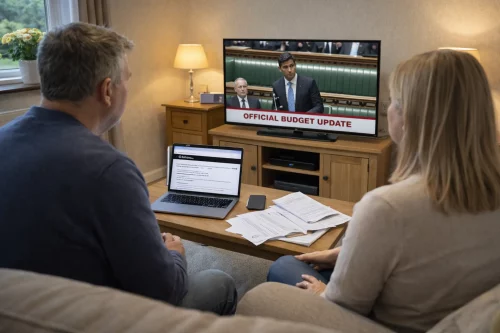 While there is no confirmed £450 cost-of-living payment in 2026, governments can introduce new measures if economic conditions require it. Future decisions would depend on factors such as inflation, energy prices, and pressure on household finances.
However, any new payment would be formally announced through official government channels. It would not appear first through social media posts or unverified websites.
Until a confirmed announcement is published on GOV.UK or through an official Budget statement, households should assume that no new nationwide cash payment has been approved. Monitoring trusted sources remains the best way to stay informed.
What’s The Truth About The £450 Cost-Of-Living Payment In 2026?
The truth is clear. There is no confirmed £450 cost of living payment for 2026. The previous Cost of Living Payment scheme ended in February 2024, and current support is delivered through lower energy bills, the Warm Home Discount, and ongoing benefits.
The £450 figure appears to have emerged from misunderstandings about earlier payments and the combining of separate amounts. It has not been backed by any official announcement.
For UK households, the safest course of action is to rely on verified information and explore legitimate support options that are already available. Being informed helps you avoid scams and focus on genuine assistance.
Conclusion
As of February 2026, there is no official £450 cost-of-living payment scheduled for UK households. The nationwide scheme that delivered one-off payments between 2022 and 2024 has ended, and no replacement lump sum has been announced. Instead, support now comes through reduced energy bills, the Warm Home Discount, and regular benefit increases.
The rumour largely stems from confusion around earlier payments and recycled online claims. While it is understandable that people hope for further direct help, relying on verified government sources is essential. If you are facing financial pressure, focus on legitimate support channels rather than waiting for an unconfirmed £450 payment. Accurate information is your strongest protection.
FAQs
Is there any confirmed £450 cost of living payment for 2026?
No, there is no confirmed £450 cost of living payment for 2026. Official government guidance states that the previous scheme has ended.
When did the last Cost of Living Payment end?
The final nationwide payment of £299 was issued in February 2024. No further automatic payments have been scheduled since then.
Why do some websites still mention a £450 cost of living payment?
Many claims are based on confusion about earlier payments or combined figures. These posts often recycle outdated information without official confirmation.
What support is available instead of a £450 payment?
Support in 2026 includes reduced average energy bills and the Warm Home Discount. Regular benefits such as Universal Credit also continue with uprated amounts.
Can I apply for a £450 cost of living payment?
No, because no such payment exists. There is no official application process for a £450 scheme.
How can I avoid scams linked to cost of living payments?
Only trust information published on GOV.UK or through recognised advice services. Never share bank details in response to unsolicited messages.
Could the government introduce a new payment later?
It is possible if economic conditions change. However, any new payment would be officially announced through formal government channels.