






















Once a non-negotiable part of daily life, the physical wallet has taken a backseat in the age of smartphones and wearable tech.
Between contactless payments, mobile banking apps, and QR codes at every register, the real question isn’t whether we’re going cashless, it’s whether we even need a wallet at all.
When Your Phone Replaces Your Pocket?
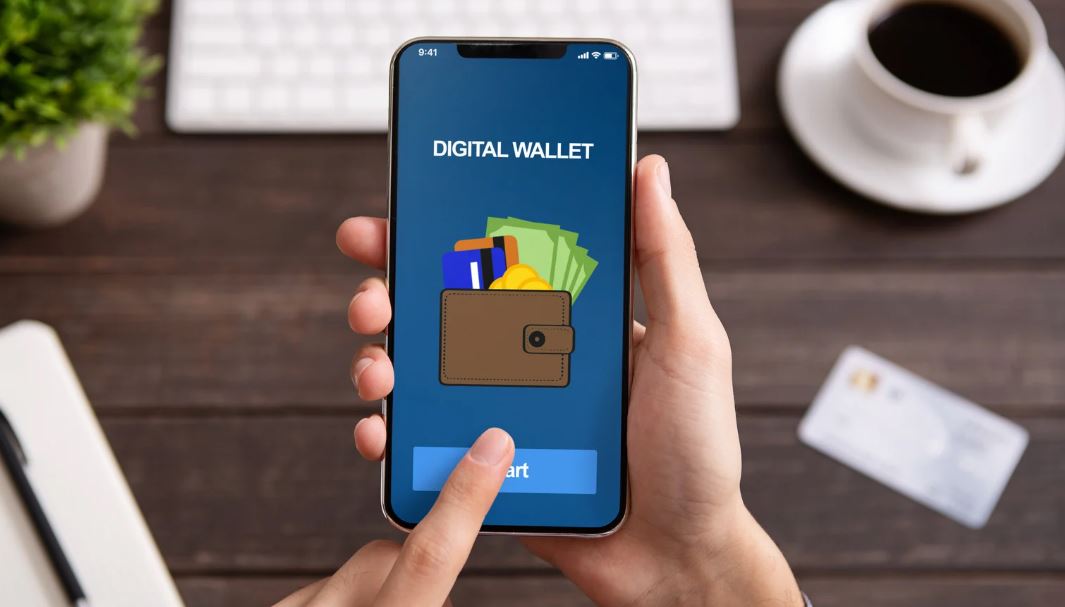
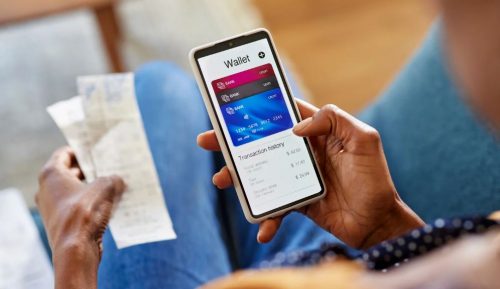 Digital-first solutions have rapidly become the norm, especially in 2025. Most of us now navigate purchases through a few taps on a screen, whether through Apple Pay, Google Wallet, or region-specific apps like Satispay or Lydia.
And when it comes to buying games, paying full price is no longer the only option. Platforms like Eneba offer access to discounted game keys and digital gift cards, making it easier to find deals without relying on traditional storefronts.
The Digital Wallet: Control and Convenience
One major driver behind this shift is consumer control. With economic uncertainty and rising prices across Europe, many users are turning to prepaid cards and digital vouchers to track their expenses more intentionally. These methods offer a safety net: spend only what you load, and nothing more.
Not to mention the sheer convenience, buying digital gift cards or topping up subscriptions no longer requires juggling plastic or scratching off codes.
A digital marketplace such as Eneba provides access to region-specific credit and prepaid options from the comfort of your device.
Why People Are Letting Go of Leather?
Here’s what’s pushing the traditional wallet into retirement:
- Security: Digital wallets are encrypted and often come with two-factor authentication, making them harder to lose and easier to secure.
- Speed: Contactless and online payments are far quicker than counting coins or digging for bills.
- Integration: Subscriptions, loyalty programs, and spending limits are all managed in-app, no need to carry physical punch cards or paper receipts.
For young consumers, especially, a physical wallet often feels like a relic of another era. When your entire financial life lives in your phone, the bulky billfold simply becomes dead weight.
But Are We Ready to Let Go Completely?
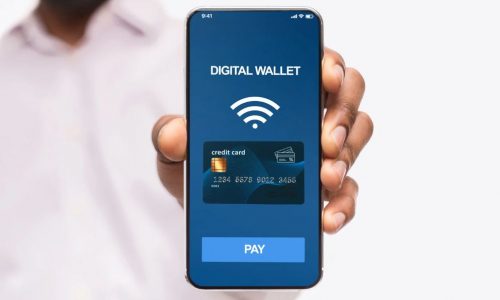 While the shift is clear, not everyone’s ready to ditch their wallet just yet. Some purchases like vending machines in remote areas, or niche shops without digital terminals, still rely on physical cash.
Plus, cultural factors play a role. In parts of Southern Europe, for instance, many still prefer keeping some paper money at hand.
However, even in these cases, the hybrid model is winning. People may carry a few coins just in case, but their primary transactions happen digitally.
The Rise of Intentional Spending
There’s also a psychological shift at play. With budgeting apps and spending summaries now standard, users are becoming more aware of their financial habits.
Prepaid digital products support that movement. Instead of racking up a credit card bill, many prefer to buy a fixed-value voucher and know exactly what’s spent.
Digital gift cards and credit top-ups fit neatly into this new approach, offering structure without sacrifice. It’s one of the reasons platforms specializing in such products have gained popularity, allowing users to browse offers without falling into impulsive overspending traps.
What Comes Next?
We may not be tossing our wallets in the trash just yet, but they’re certainly not what they used to be. As more daily transactions shift online, and as privacy, convenience, and budgeting tools improve, physical wallets may continue to shrink in relevance.
Whether you’re managing your streaming budget, topping up your favorite game, or sending a last-minute gift, digital marketplaces like Eneba are shaping the way we interact with money. The wallet might not be gone for good, but it’s definitely gone digital.