

























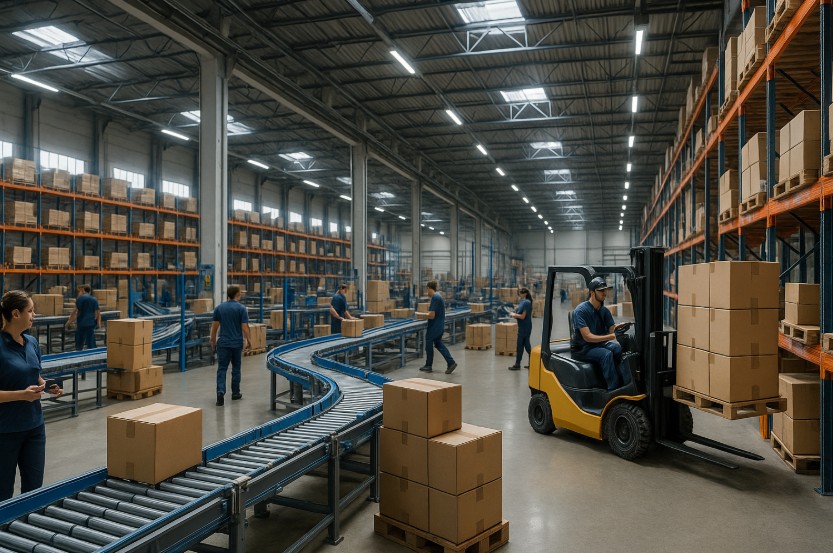
Running a warehouse today isn’t just about storing and moving products. It’s a complex system that demands precision, coordination, and reliability at every turn.
With rising customer expectations and tighter delivery windows, even the smallest inefficiency can lead to costly delays.
Many warehouse managers know that smooth operations depend not only on the people behind the process but also on the quality of the tools they use.
The right equipment doesn’t just make work easier, it transforms productivity, accuracy, and employee satisfaction.
From advanced storage systems to time-saving machinery, investing in smarter gear leads directly to stronger results.
How Smarter Gear Streamlines Warehouse Operations for Maximum Output?
The Role of Equipment in Operational Efficiency
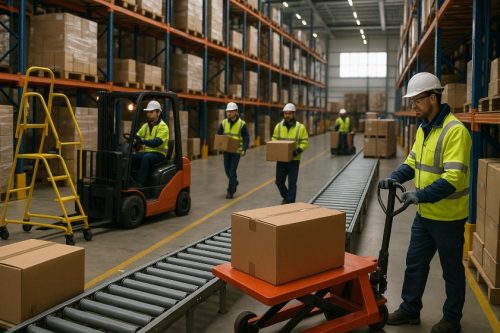
Every aspect of warehouse work, from picking and packing to loading and inventory management, relies on well-designed equipment.
When machinery breaks down or fails to meet performance standards, downtime follows. This isn’t just a minor inconvenience it’s a productivity drain.
High-performing warehouses treat equipment as a core asset, not a background tool. Forklifts, conveyors, and storage racks may seem like standard items, but when chosen strategically, they streamline movement and reduce wasted effort.
For instance, ergonomic designs in lifting tools minimize strain on workers, which in turn maintains consistent workflow and reduces turnover.
In essence, the better your gear, the fewer interruptions your team experiences.
Smarter Gear for a Smarter System
What defines “smarter gear”? It’s not always the newest or most expensive option. Instead, it’s equipment designed to work with your warehouse’s specific needs. Smart tools are built for precision, safety, and adaptability.
Automated guided vehicles (AGVs), for example, can handle repetitive transport tasks without human supervision, freeing workers to focus on higher-value duties.
Similarly, modular shelving systems can be easily adjusted as inventory types or volumes change.
These types of innovations not only improve space utilization but also keep workflows adaptable to fluctuating demand.
The goal is simple: make every square foot of space and every minute of labor count.
The Impact of Smarter Equipment on Time and Accuracy
Time efficiency and accuracy go hand in hand. A delay in one area, like loading can ripple through an entire supply chain. Smarter equipment addresses this by eliminating bottlenecks before they start.
Consider automated sorting systems, which can categorize products at speeds far beyond manual handling.
When combined with accurate labeling and digital tracking tools, these systems drastically reduce errors and the need for rework. Over time, this precision compounds, leading to faster fulfillment rates and happier customers.
Even simple upgrades like replacing manual carts with powered alternatives can shave hours off repetitive tasks each week.
The Power of Specialized Tools
Every warehouse handles unique materials and processes, so the one-size-fits-all approach rarely works. Specialized tools help fill these operational gaps.
For example, low profile hoppers are ideal for environments with limited space where bulk materials still need to be moved safely and efficiently. Their compact design allows workers to handle loads quickly while minimizing strain and clutter.
This kind of tailored solution makes day-to-day operations smoother and prevents small inefficiencies from stacking up into larger issues.
In many facilities, investing in niche equipment has proven more effective than purchasing high-end general-purpose tools. The key is understanding your specific workflow challenges and addressing them directly.
Safety and Maintenance: The Hidden Efficiency Drivers
Operational excellence isn’t just about speed it’s about consistency and safety. Modern warehouses operate under tight safety regulations, and ignoring them can lead to serious setbacks.
Quality equipment with built-in safety features doesn’t just protect workers; it keeps operations uninterrupted.
Regular maintenance is equally crucial. A well-maintained forklift or conveyor system performs better, lasts longer, and prevents unplanned downtime.
Implementing preventive maintenance schedules ensures that minor issues are resolved before they escalate.
According to Occupational Safety and Health Administration (OSHA) guidelines, consistent equipment checks are one of the most effective ways to reduce workplace accidents. When workers feel secure using reliable tools, their confidence and output rise naturally.
Integrating Technology for Smarter Tracking
Today’s warehouses aren’t just physical spaces they’re data-driven ecosystems. Advanced equipment now comes with built-in sensors, real-time monitoring, and integration capabilities that allow seamless coordination across systems.
Warehouse management systems (WMS) can sync with automated equipment to track inventory levels, forecast needs, and monitor performance.
This integration means fewer manual counts, fewer surprises, and a better understanding of where resources are needed most.
For example, a WMS connected to your material handling equipment can automatically reroute tasks based on load levels or equipment availability. These small digital efficiencies translate into significant time savings over the course of a year.
Sustainable Equipment Choices
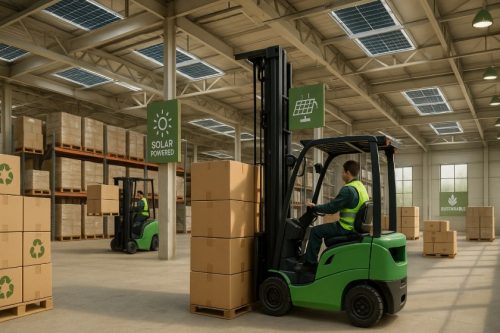
Sustainability is no longer optional it’s a competitive advantage. Many warehouses are shifting toward eco-friendly equipment options that reduce energy consumption and waste.
Electric forklifts, solar-powered lighting, and recyclable packaging materials are becoming the new standard.
These changes not only help the environment but also lower long-term operational costs. Over time, sustainable practices improve brand reputation and attract clients who value environmental responsibility.
Interestingly, reports from the U.S. Environmental Protection Agency (EPA) show that warehouses adopting energy-efficient systems can cut their operational energy use by up to 30%. That’s a significant impact for facilities looking to stay competitive while reducing overhead.
Building a Culture of Continuous Improvement
Even the best tools lose value without the right mindset behind them. Equipment upgrades must be paired with a culture of continuous improvement.
Encourage employees to provide feedback on what works and what doesn’t within their daily tasks.
Regular training ensures that staff know how to use new technology safely and effectively. Moreover, management should stay open to adopting new solutions as warehouse technology continues to evolve.
What’s efficient today might be outdated tomorrow, and adaptability is the real long-term advantage.
Conclusion: Turning Smarter Gear into Real Results
In a warehouse environment, success isn’t built on chance it’s built on systems, tools, and smart decisions.
The right equipment sets the foundation for smooth operations, faster turnaround times, and fewer errors.
Smarter gear isn’t about having more it’s about having the right tools that enhance productivity, safety, and employee morale.
When paired with strong maintenance practices and data-driven insights, these investments yield measurable results.
As warehouses evolve to meet modern demands, those that prioritize smart, efficient, and adaptable equipment will lead the way proving that strong results come from smarter choices.