

























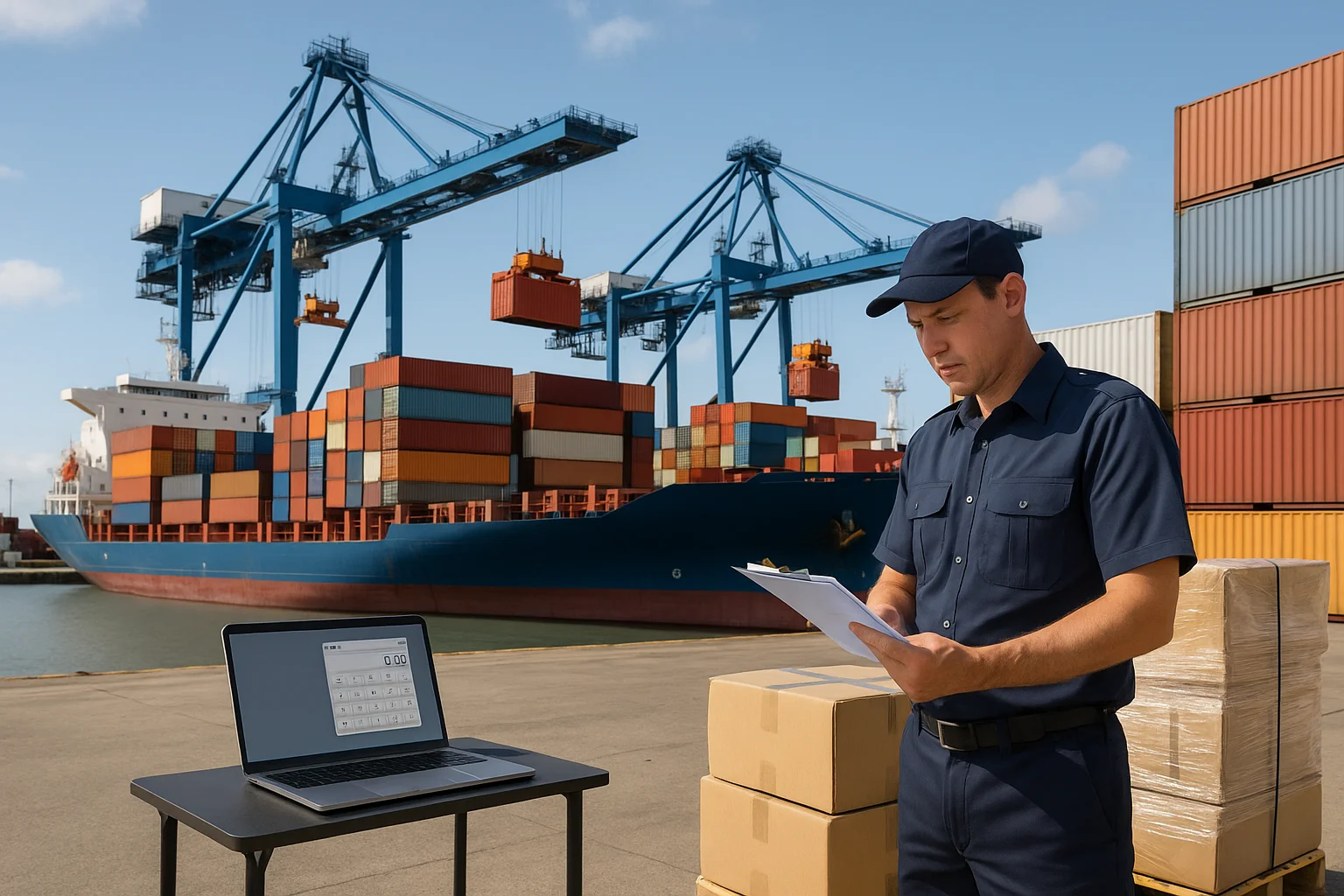
Navigating the complexities of importing goods into the UK can be a daunting task. Understanding the various costs involved, from freight charges and customs duties to taxes and handling fees, is essential to creating a cost-effective importing strategy.
Whether you are a small business importing products from Europe or a larger enterprise shipping items globally, identifying opportunities to save on freight and customs charges can make a significant difference to your bottom line.
Leveraging efficient freight methods, using duty relief schemes, and ensuring compliance with UK and international regulations are just a few of the strategies that can help reduce import costs while improving operational efficiency.
In this guide, we’ll explore practical tips, proven strategies, and the tools you need for successful importing.
What Are the Main Costs Involved in UK Imports?

Importing goods into the UK involves various costs that businesses must account for. Key expenses include freight charges, customs duties, taxes, and handling fees.
Freight charges generally depend on the mode of transport used, with road freight being the primary method for imports from Europe.
Customs duties and import VAT are calculated based on the type of goods and their declared value. Misunderstanding these costs can result in delays, fines, or financial losses.
For a rough idea of potential costs, many businesses use online tools like a UK import duty calculator. These tools help estimate duties and taxes, simplifying budget planning.
How to Optimise Freight Costs?
1. Choose the Right Freight Method
Road freight is the most cost-effective and reliable option for importing goods between the UK and Europe.
Choosing between freight to Europe options like Full Truck Load (FTL) for larger shipments or Less Than Truck Load (LTL) for smaller loads will depend on your shipment size and urgency.
2. Consolidate Shipments
Consolidating smaller shipments into one load, a practice known as groupage freight, reduces costs by sharing transport expenses with other businesses. This method is particularly useful for LTL shipments.
3. Work with a Freight Forwarder
Freight forwarders simplify international trade by managing the entire shipping process, including documentation and customs clearance.
Whether you are importing from a nearby location like Guernsey or a country further afield, freight forwarders can help you find the best rates and avoid delays.
Opting for an experienced freight forwarder ensures that your shipments are handled efficiently and cost-effectively.
Understanding Customs and Import Duties
1. Classify Goods Correctly
Accurate goods classification is essential for determining applicable duties and taxes. Goods are classified under the Harmonised System (HS) code, which affects the tax rate and documentation required.
2. Declare the Correct Value
Import duties and VAT are calculated based on the declared value of goods. Ensure supporting documents justify the declared amount to avoid penalties.
3. Use Duty Reliefs
Explore relief schemes such as Inward Processing Relief (IPR) or Returned Goods Relief to reduce or defer duty payments. Such programmes benefit businesses re-exporting goods.
Did You Know?
As of 2011, the standard UK import VAT rate is 20%, although special rates may apply depending on goods type. Confirm these details with a trusted advisor for accurate calculations.
How to Avoid Common Pitfalls?

1. Prepare Accurate Documentation
Proper documentation, including commercial invoices and import declarations, is critical. Errors in documentation frequently cause delays and additional costs.
2. Monitor Industry Changes
Import laws and regulations change over time. Regularly updating your knowledge ensures compliance and avoids unexpected costs.
3. Work with Specialists
Utilising the expertise of freight forwarders and customs brokers simplifies complex logistics. Experienced professionals can navigate tariffs, tax obligations, and compliance procedures efficiently.
Key Takeaway:
Proactively training your team on compliance and documentation reduces the likelihood of mistakes and avoids unnecessary expenses.
FAQs on Reducing UK Import Costs
What Is the Best Way to Calculate Total Import Costs?
The easiest method involves using a UK import duty calculator to estimate duties, VAT, and fees based on goods type and value.
Can Smaller Businesses Save Money on Freight?
Yes, small businesses can use groupage services to consolidate shipments or negotiate favourable terms with freight forwarders specialising in SME solutions.
How Can Delays Be Prevented?
Avoid delays by preparing accurate and complete documentation, choosing reputable carriers, and adhering to customs compliance requirements. Partnering with specialists is particularly effective for businesses requiring precision.
Saving on UK import costs requires understanding freight methods, leveraging duty reliefs, and maintaining compliance. By following these steps, businesses can improve operational efficiency while navigating the complexities of international trade.