

























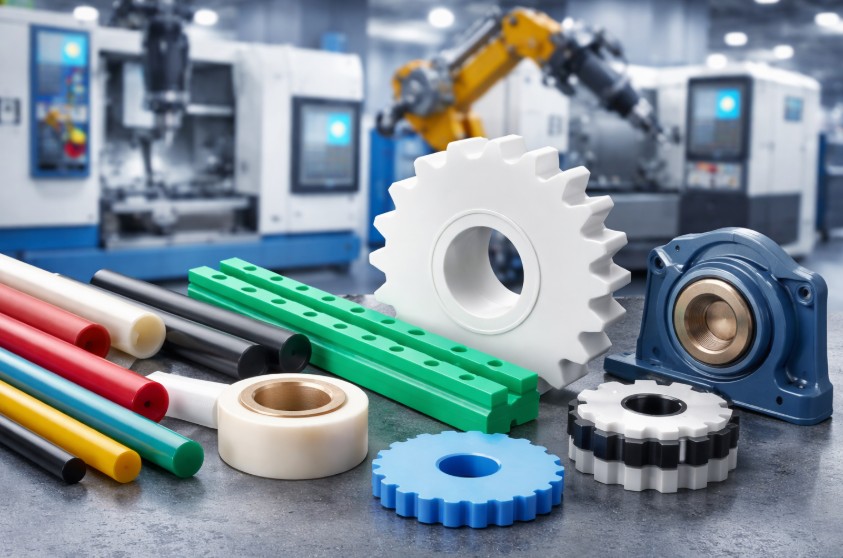
Across the UK, factories continue to depend on machines that must run with accuracy every hour of the day. High-performance plastic materials help keep these systems stable because they offer strength, durability and predictable performance in demanding settings.
These materials support long service life and help maintain safe operation since they resist wear and heavy contact. Carry on reading to understand why manufacturers value them for essential machine parts.
Why UK Industry Relies on High-Performance Plastic Materials?
High-Performance Plastics in Practical Machine Use
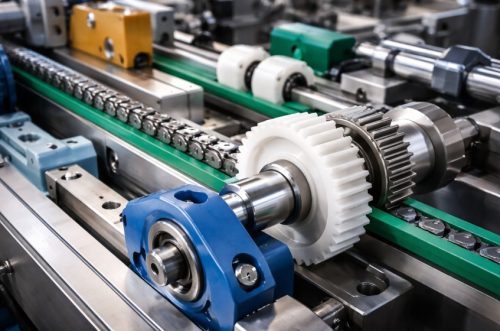 Modern machine assemblies rely on gears, guides and housings that must fit precisely and handle repeat movement with minimal distortion.
High-performance plastic materials suit these needs because they are strong and light and they reduce friction across contact points. They support tight tolerances since sheet stock can be shaped through accurate milling or laser cutting so each part lines up cleanly with shafts and frames.
High-quality materials, like the Simply Plastics engineering plastic, offer grades that work well for cams, sliders and bearing cages because they hold their shape and allow smooth movement. These plastics help maintenance teams replace worn pieces quickly because parts can be cut to size before delivery so installation is straightforward.
Precision and Stable Component Performance
High-performance plastic materials allow machine parts to maintain dependable accuracy because surface finishes stay smooth even after long contact.
A machined or laser cut guide will seat cleanly against steel and reduce vibration since plastics absorb impact more effectively. This helps protect major structures such as frames and conveyors because contact pressure becomes lighter and more controlled.
These plastics also create quieter operation because movement produces less noise than metal-to-metal contact. Operators gain clearer visibility when guards use acrylic or similar materials because the panels stay transparent and resist staining.
Plant managers also value these materials since they do not corrode so they stay reliable in humid or wash-down areas.
Material Strength, Wear Control and Chemical Stability
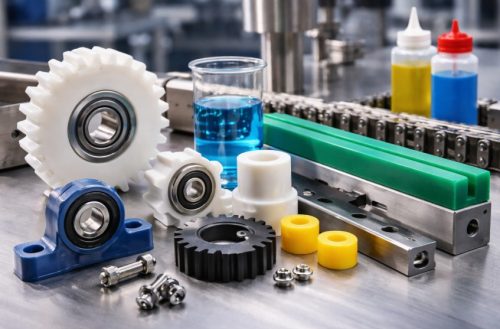 Factories often use oils, cleaners and coolants that can break down weaker materials although high-performance plastics resist these fluids well.
Their chemical stability supports long-term use on filling lines, mixers and packers because parts remain firm instead of softening or cracking. This improves output because machines stay aligned and downtime reduces.
Wear control is central to machine protection. A plastic wear strip or chain guide can shield expensive shafts and rails since it takes the abrasion rather than passing it through to metal cores. Replacement is simple because off-the-shelf sheets can be laser cut into exact shapes that match old parts so engineers keep machines running with minimal delay.
Easy Replacement Through Laser-Cut Components
Laser cutting supports repeatable accuracy since each part follows a digital outline and holds stable dimensions. Plants that rely on frequent part changes gain clear advantages because every replacement arrives shaped and drilled for direct fitting.
This reduces time on the workshop bench since manual shaping is no longer needed and engineers can focus on returning machines to service.
High-performance plastics also allow economical batches since sheet stock offers predictable thickness and consistent quality. Small runs become practical for specialist machines because new guides or masks can be produced on short notice without major tooling costs.
Conclusion: Reliable Materials Keep Machines Productive
UK manufacturers continue to rely on high-performance plastic materials because they support strength, accuracy and efficient maintenance. These materials allow low-cost replacement through laser cutting and protect key assemblies through stable wear control.
As machinery becomes more precise and plant teams aim for consistent output, high-performance plastics will remain essential to safe and efficient machine operation. This dependability helps industries plan confidently since machine parts stay reliable across long production cycles.