

























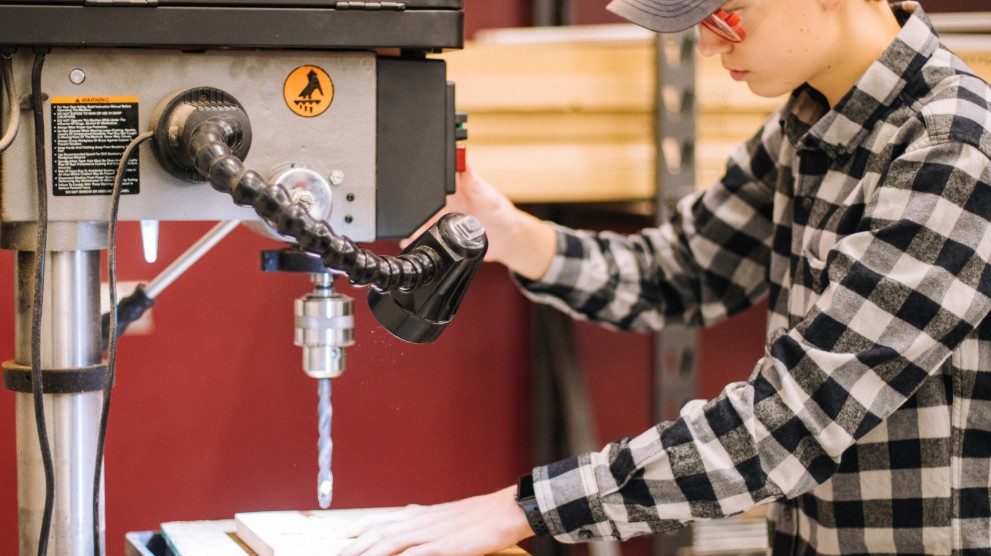
A magnetic drill press offers strong stability and precision for drilling holes in metal, but safe setup determines how well it performs.
To set up a magnetic drill press safely, secure the magnetic base on a clean, flat metal surface, check that the magnet holds firmly, and confirm all parts lock into place before drilling. This simple preparation prevents accidents and helps achieve accurate results on every project.
Many users underestimate how much setup affects performance. A small mistake, such as a loose bit or uneven surface, can cause damage or injury.
By following proper safety measures and setup steps, anyone can create a steady, controlled drilling process that works smoothly from start to finish.
This guide explains the key safety practices, setup steps, and operation methods that make a magnetic drill press both safe and effective. It shows how careful preparation leads to cleaner holes, longer tool life, and more confident use in any workshop.
How to Set Up a Magnetic Drill Press for Maximum Safety and Precision?
Safety Measures for Magnetic Drill Press Setup
 Safe setup of a magnetic drill press depends on proper protective gear, a clean and stable workspace, and knowledge of the machine’s safety controls. Each step reduces risk and helps maintain accuracy during drilling on metal surfaces.
Personal Protective Equipment and Protective Gear
Operators must wear safety glasses or a face shield to protect their eyes from metal chips. Cut-resistant gloves help prevent cuts from sharp edges, but loose gloves should be avoided near rotating parts. Hearing protection is also necessary since magnetic drills can produce high noise levels.
A dust mask or respirator may be needed if drilling coated or painted metal. Non-slip, closed-toe shoes provide stability on steel surfaces. Clothing should fit snugly to prevent it from catching in the drill.
Before starting, check that all protective gear is in good condition. Worn-out gloves or cracked visors reduce protection. A well-maintained set of personal gear is as important as the machine itself. Tools like the VEVOR mag drill perform best when the operator follows these safety habits consistently.
Work Area Preparation and Hazard Prevention
A stable, level surface is necessary for safe operation. The magnetic base must adhere firmly to clean, flat metal. Any oil, rust, or debris can weaken the hold and cause the drill to shift.
Power cords should be routed away from the drilling zone to avoid tripping or tangling. Adequate lighting helps the operator see the work area clearly and prevents misalignment.
Before connecting power, inspect the drill, cord, and plug for damage. Loose wires or frayed insulation can lead to electric shock. Keep flammable materials away from the drill site since sparks may occur during metal drilling.
Understanding Safety Features and Machine Controls
Every operator should know how to use the drill’s magnet switch, speed control, and emergency stop before turning it on. The magnet switch secures the drill in place; the motor should never start until the magnet is fully engaged.
Speed settings must match the material being drilled. Incorrect speed can cause bit breakage or overheating. The emergency stop button should always remain within easy reach.
Regularly inspect the safety guard and chuck for tightness. A loose chuck or damaged guard can lead to accidents. A clear understanding of these controls allows smoother operation and faster response if something goes wrong.
Step-by-Step Setup and Operation for Precise Drilling
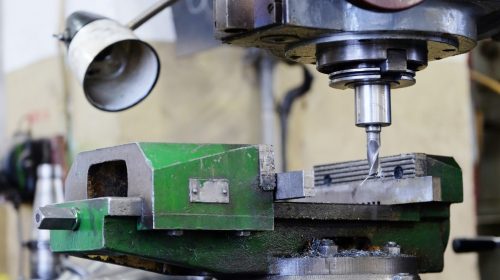 A magnetic drill press must be set up with care to achieve accurate drilling and safe operation. Proper bit selection, secure mounting, correct speed, and adequate lubrication all affect the quality of each drilled hole.
Selecting and Installing Drill Bits
The user should choose a drill bit that matches the material and hole size. Sharp drill bits cut cleanly and reduce heat buildup. Dull bits can cause wandering or uneven holes, especially in metalworking.
Before installation, the operator should inspect the bit for damage or wear. A clean shank fits better in the chuck and prevents slippage. The bit must seat fully before tightening.
Use a chuck key to tighten each jaw evenly. The bit should remain straight and firm without wobble. After tightening, remove the key immediately to avoid accidents in the workplace.
For larger holes, start with a smaller pilot hole to guide the final bit accurately. This step helps maintain control and reduces strain on the drill press motor.
Securing the Magnetic Base and Workpiece
A magnetic base holds the drill press firmly on a steel surface. The base must contact clean, flat metal for maximum holding strength. Any oil, paint, or rust weakens the magnet’s grip.
The operator should position the magnetic drill so the bit aligns exactly where the hole is needed. Once aligned, activate the magnet lock before drilling. The base should not shift once activated.
The workpiece must also stay secure. Use clamps or a vise to prevent movement. Loose material can twist or lift during drilling operations, which can damage both the bit and the surface.
Check that the magnetic drill remains stable before starting the motor. A firm setup allows for precise drilling and reduces vibration.
Adjusting Speed Setting and Depth Stop
Different materials require different speed settings. Hard metals need slower speeds, while softer materials allow faster rotation. Adjust the speed control based on the bit size and type of material.
The depth stop controls how deep the bit travels. Set it to match the desired hole depth before drilling begins. This adjustment prevents over-drilling and keeps hole dimensions consistent.
Use the feed handle to lower the bit smoothly. Steady pressure allows the bit to cut evenly. Forcing the bit too hard can cause it to bind or break.
After drilling each hole, raise the bit slowly to clear chips and debris. This method protects the bit and maintains accuracy.
Using Cutting Fluid for Metalworking
Cutting fluid cools and lubricates the bit during metal drilling. It reduces friction, extends bit life, and helps produce smoother holes. Without fluid, bits can overheat and dull quickly.
Apply a small amount of fluid directly to the drilling area before starting. During longer drilling operations, reapply as needed to maintain cooling.
Different materials may require specific types of fluid. For example, light oil works well for steel, while specialized lubricants suit aluminum or stainless steel.
Proper use of cutting fluid also helps remove metal chips from the hole, preventing clogging and uneven cutting. Clean the work area after each use to keep surfaces free of residue.
Conclusion
A safe setup of a magnetic drill press depends on careful preparation and attention to detail. The user must secure the magnetic base, check the surface for debris, and confirm that the magnet holds firmly before drilling starts. Each step reduces the risk of movement or misalignment.
Proper bit selection and correct speed settings also play a key role. The operator should match the bit type and speed to the material to achieve clean, accurate holes without damaging the tool.
Regular inspection and maintenance help extend the drill press’s lifespan. Cleaning metal shavings, tightening loose parts, and keeping the work area clear all support safe and efficient operation.
By following these practical steps, users can work with confidence and maintain both precision and safety during every drilling task.