
























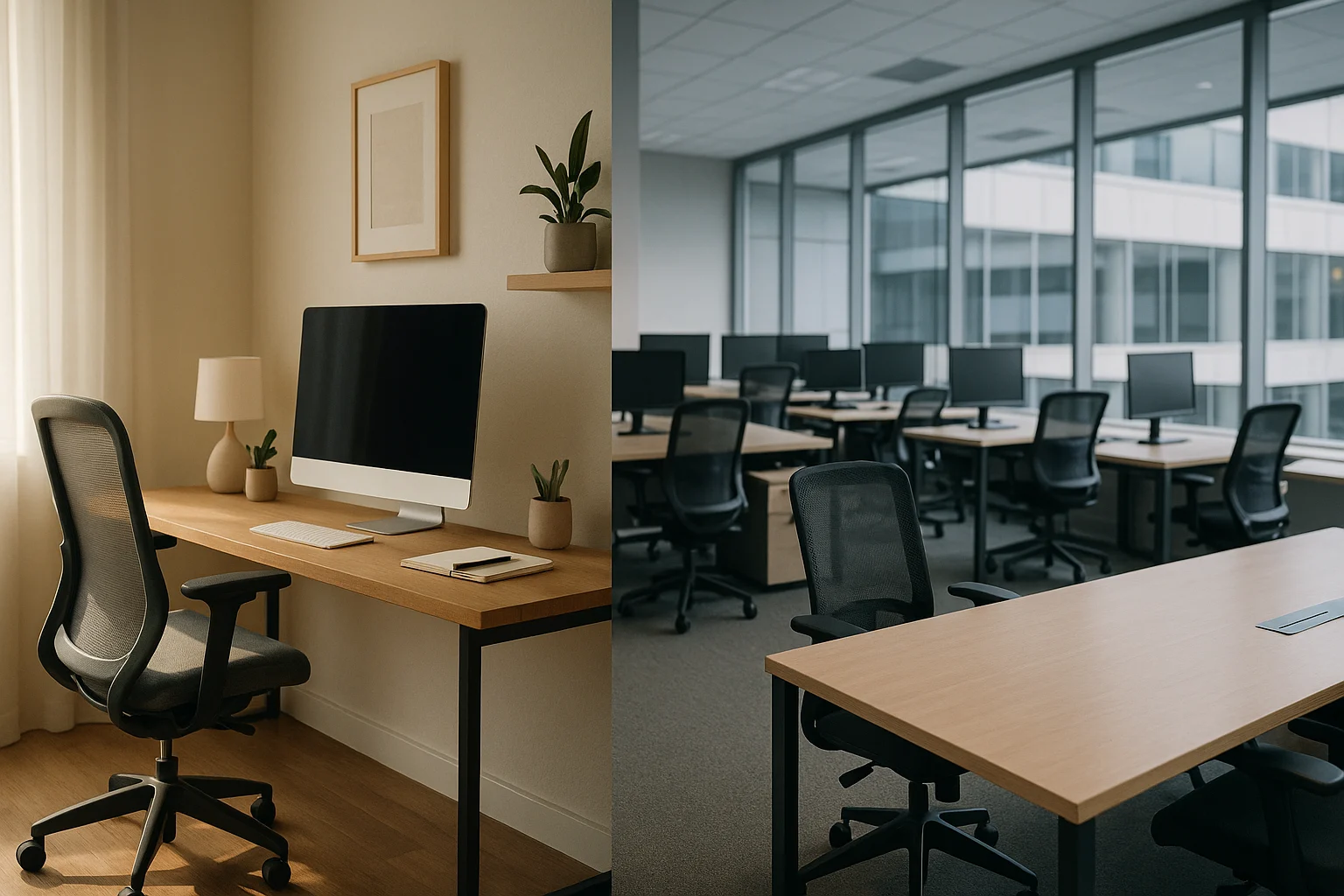
The way we work has transformed.# From Home Office to Corporate Space: Choosing Office Chairs and Desks That Last
The way we work has transformed. What started as a temporary shift to kitchen tables and makeshift workstations has evolved into a permanent hybrid model for many.
Whether you’re refining your home office setup or redesigning a corporate space to welcome teams back, one thing is certain: the quality of your office furniture matters more than ever.
Investing in the right office chairs and desks is not just about aesthetics; it’s about supporting wellbeing, boosting productivity, and making a smart financial decision for the long term.
This guide will walk you through selecting high-quality, durable office furniture that delivers on comfort and style.
We’ll explore the essentials of ergonomic design, material quality, and how to find pieces that will stand the test of time, wherever you work.
Why Choosing the Right Office Chairs Matters?
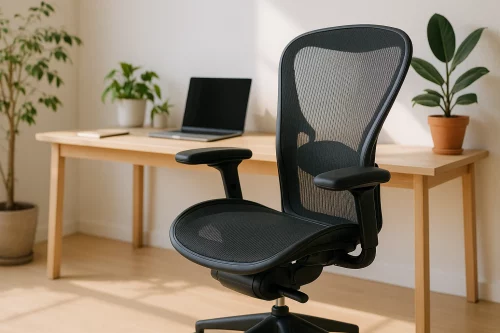
You spend a significant portion of your day sitting, so your chair is arguably the most important piece of equipment in your workspace.
A poor-quality chair can lead to back pain, poor posture, and decreased focus. In contrast, a well-designed office chair is a tool for better health and performance.
Ergonomic Support and Posture Benefits
The term “ergonomic” refers to designing something for efficiency and comfort in the working environment. Ergonomic office chairs are engineered to support the body’s natural posture, reducing stress on the spine, neck, and hips.
Proper support helps maintain good posture, which can prevent chronic pain and improve circulation and concentration throughout the workday. When you feel physically supported, you’re better able to focus on your tasks.
Material Quality and Durability
The materials used to construct an office chair directly impact its lifespan and comfort. High-density foam in the seat cushion will retain its shape and support for years, unlike cheaper alternatives that flatten quickly.
The frame, often made of steel or heavy-duty plastic, provides stability. For upholstery, look for durable fabrics, breathable mesh, or high-quality leather that can withstand daily use without tearing or wearing thin.
Features to Consider
Not all office chairs are created equal. Look for key adjustable features that allow you to customise the fit to your body:
- Adjustable Height: Your feet should rest flat on the floor with your knees at a 90-degree angle. A pneumatic lever makes this easy to adjust.
- Lumbar Support: Adequate lower back support is crucial. Many chairs offer adjustable lumbar support that can be moved up, down, in, or out to fit the curve of your spine.
- Armrests: Adjustable armrests help reduce tension in your shoulders and neck. Look for ones that can be adjusted for height and width.
- Swivel and Recline: The ability to swivel easily and recline slightly allows for dynamic movement, preventing stiffness. A good chair should move with you.
Finding the Perfect Office Desk
Your office desk is the centerpiece of your workspace. It needs to be functional, sturdy, and sized appropriately for your needs and the available space. The right desk helps you stay organised and work efficiently.
Desk Size and Shape for Productivity
Before buying, consider what you need to keep on your desk. Do you use multiple monitors, a laptop, and physical documents? Ensure the surface area is large enough to accommodate your equipment without feeling cluttered.
The shape also matters. Rectangular desks are classic and versatile, while L-shaped desks offer more surface area and can fit neatly into a corner, making them great for both home office and corporate settings.
Material Considerations
The material of your desk affects its durability, look, and feel.
- Solid Wood: A timeless and durable option, solid wood desks are strong and can last for decades with proper care. They offer a premium, classic look.
- Metal: Desks with steel or aluminium frames are incredibly sturdy and offer a modern, industrial aesthetic. They are often paired with a wood or laminate top.
- Composite Wood (MDF/Particleboard): These are more budget-friendly options. Look for high-quality laminates or veneers, as they provide a durable, scratch-resistant surface.
Adjustable vs. Fixed Desks for Flexibility
The debate between fixed and adjustable desks is a key consideration. A fixed-height desk is a traditional, reliable choice. However, an adjustable office desk, also known as a sit-stand desk, offers significant ergonomic benefits.
Alternating between sitting and standing throughout the day can reduce back pain, improve circulation, and even burn a few extra calories. An adjustable office desk provides the flexibility to change your posture without interrupting your workflow, making it a valuable investment in your health.
Balancing Comfort and Corporate Style
Whether you’re curating a productive home office furniture setup or designing an entire corporate floor, the visual appeal of your furniture matters. The goal is to create a space that is not only comfortable but also professional and inspiring.
Aesthetic Considerations in Corporate Spaces
In a corporate environment, furniture sends a message about your company’s culture and values.
Sleek, minimalist designs might reflect a modern tech company, while rich wood finishes could convey tradition and stability. Consistency is key.
Choosing a unified colour palette and style for your office chairs and desks creates a polished and organised look that can positively impact both employee and client perceptions.
Matching Chairs and Desks for a Cohesive Look
Creating a cohesive look doesn’t mean everything has to be an identical match. You can create a visually interesting yet harmonious space by pairing complementary materials and colours. For example, a crisp white desk can look sharp with a black ergonomic chair.
A light wood desk might be beautifully complemented by a chair with a grey fabric seat. The key is to ensure the elements work together to create a balanced and inviting atmosphere.
Investing in Longevity

High-quality office furniture may come with a higher initial price tag, but it’s an investment that pays off. Durable office furniture is built to last, saving you money and hassle in the long run.
How Quality Furniture Saves Money Over Time?
Cheaper furniture often needs to be replaced every few years due to wear and tear. A well-made desk and an ergonomic chair can last for a decade or more.
By investing in quality from the start, you avoid the recurring cost and disruption of frequent replacements. Furthermore, by providing ergonomic support, quality furniture can reduce health-related issues and absenteeism, contributing to a healthier and more productive workforce.
Maintenance Tips to Extend Lifespan
- Regular Cleaning: Dust and wipe down surfaces regularly. Use appropriate cleaners for the material mild soap and water for most surfaces, and specialised cleaners for wood or leather.
- Check Fixings: Periodically check that all screws and bolts on your chair and desk are tight.
- Lubricate Moving Parts: Keep the mechanisms on your adjustable chair and desk moving smoothly by applying a silicone-based lubricant as needed.
- Protect Surfaces: Use coasters and desk pads to prevent scratches and stains on your desk’s surface.
Conclusion
Creating a productive and comfortable workspace, whether at home or in the office, starts with the right foundation.
By prioritising ergonomic support, durable materials, and thoughtful design in your choice of office chairs and desks, you are making an investment in long-term health, productivity, and satisfaction.
Don’t compromise on the furniture you use every day. Choose pieces that are built to last, support your wellbeing, and help you do your best work.