
























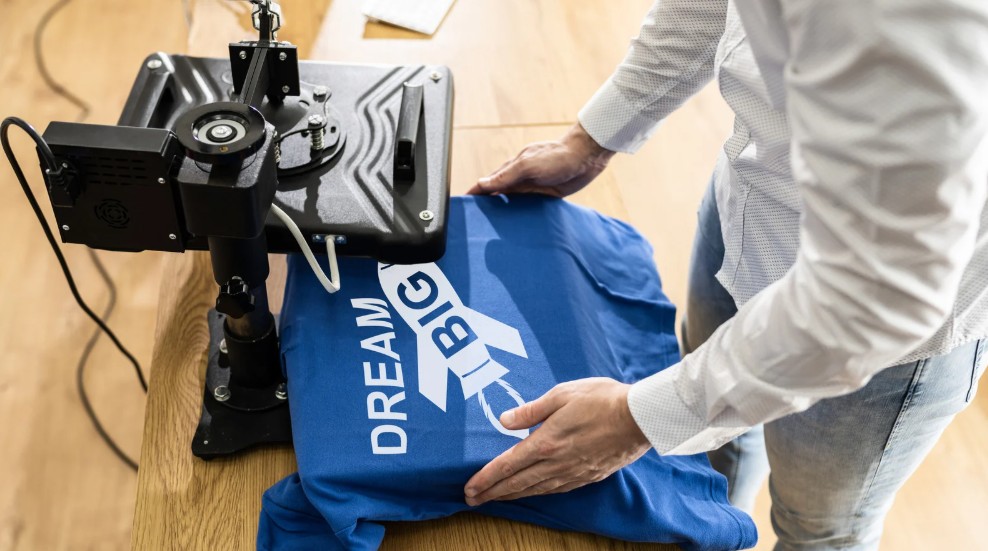
Custom apparel is bigger than ever. From local brands to global businesses, everyone wants unique t-shirts, hoodies, and merchandise that stand out. Advances in printing technology have made this easier and more affordable, but they’ve also left many people wondering: which method is best?
Two printing techniques dominate the conversation today, DTF (Direct-to-Film) and DTG (Direct-to-Garment). Both are innovative, both produce high-quality results, and both are shaping the future of apparel.
But they aren’t the same. Choosing between them depends on your goals, your budget, and the type of designs you want to create.
This article breaks down how each method works, their pros and cons, and what they mean for the future of custom fashion.
What Is DTG Printing?
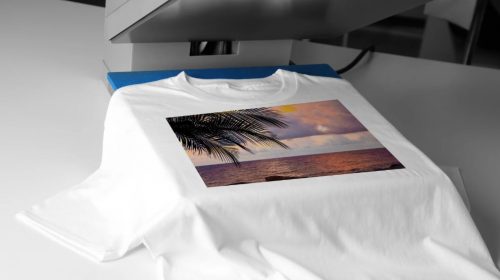 Direct-to-Garment printing (DTG) is exactly what it sounds like. The design is printed directly onto the fabric using specialized inkjet printers. Think of it like a regular printer, but instead of paper, it sprays water-based inks onto a shirt.
DTG is particularly popular for small runs and detailed designs. It’s capable of producing high-resolution images, gradients, and colorful graphics that look like artwork. The ink soaks into the fibers of the fabric, leaving a soft feel that blends seamlessly with the shirt.
Advantages of DTG printing:
- Excellent for small orders and on-demand printing.
- Can reproduce intricate designs, photos, or multi-color artwork.
- Soft-to-the-touch finish that feels comfortable to wear.
Drawbacks of DTG printing:
- Works best on cotton or cotton-rich fabrics.
- Slower process for bulk orders compared to other methods.
- Colors may not pop as much on dark fabrics without pre-treatment.
DTG is often the go-to for artists, small businesses, or startups that need customization in smaller quantities. It’s efficient, flexible, and allows businesses to sell unique designs without massive upfront investment.
What Is DTF Printing?
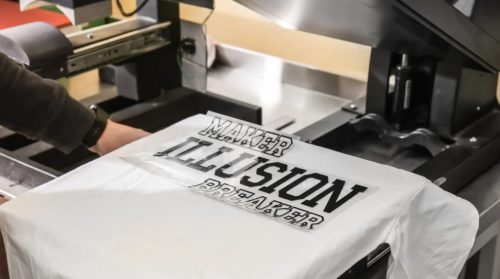 Direct-to-Film printing (DTF) is a newer method that’s quickly gaining momentum. Instead of printing directly onto fabric, the design is printed onto a special film using ink and adhesive powder. This film is then heat-pressed onto the garment, bonding the design to the surface.
The result is vibrant, durable, and highly versatile. Unlike DTG, which is mostly limited to cotton, DTF can be applied to cotton, polyester, blends, and even unconventional fabrics. That makes it appealing to businesses that want to expand their product range.
Advantages of direct-to-film printing:
- Works on a wide variety of fabrics and materials.
- Produces durable designs that withstand multiple washes.
- Ideal for medium to large production runs.
- No pre-treatment needed, which saves time and costs.
Drawbacks of direct-to-film printing:
- The print sits on top of the fabric, so it may feel less soft than DTG.
- Some fine details can be harder to achieve compared to DTG.
DTF’s versatility has made it one of the fastest-growing choices for apparel printing. For businesses looking to scale or diversify, it’s often the more practical option.
DTF vs. DTG: What Are the Key Differences?
Both methods create high-quality prints, but they serve different needs. Here’s how they compare:
1. Fabric Compatibility
- DTG: Works best on cotton and cotton-rich fabrics.
- DTF: Can be used on cotton, polyester, blends, and more.
2. Print Quality & Feel
- DTG: Offers a soft, “printed-in” feel with high detail.
- DTF: Produces vibrant colors but the design sits slightly on top of the fabric.
3. Order Size Suitability
- DTG: Great for small runs, personalized items, or one-off designs.
- DTF: More efficient for larger batches and versatile product collections.
4. Durability
- DTG: Good wash resistance, but inks can fade faster if not properly cared for.
- DTF: Highly durable and long-lasting, even with frequent washing.
5. Costs
- DTG: Higher per-shirt costs for small runs but low setup expenses.
- DTF: Lower costs for bulk orders, though equipment may require higher investment.
The choice comes down to what matters more to you, softness and detail (DTG) or durability and versatility (DTF).
Which Printing Method Is Right for You?
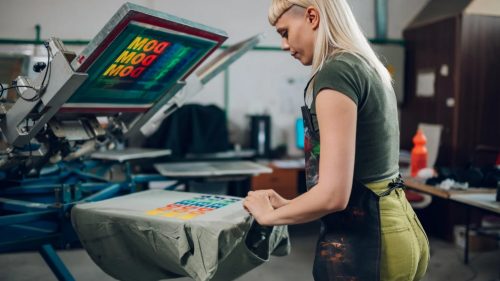 Choosing between DTF and DTG depends on your business goals and your audience.
- Startups and Small Businesses: DTG is perfect for testing designs or offering unique, personalized products. You don’t need a large budget, and you can easily produce one-offs or small collections.
- Growing Brands: DTF shines when scaling. If you want to offer a wide product range with different fabrics, like cotton t-shirts, polyester hoodies, and blended tote bags, direct-to-film printing makes that possible.
- Creative Designers: If your work relies on fine details, shading, or photographic prints, DTG may be the better fit. But if durability and versatility matter more, DTF is the winner.
In practice, many businesses use both. DTG for one-off or custom jobs, and DTF for larger collections that need consistency.
The Future of Apparel Printing
Both DTG and DTF are shaping the future of custom apparel, but their roles will likely differ.
- On-Demand Fashion: As e-commerce grows, so does the demand for personalized products. DTG will remain vital for print-on-demand services that let customers design their own shirts and receive them within days.
- Sustainability Push: Consumers increasingly want eco-friendly apparel. Both DTG and DTF are moving toward greener inks, more efficient processes, and less waste. Startups that embrace sustainable printing will gain an edge.
- Automation and AI: Printers are becoming smarter. Expect to see automated workflows, AI-driven design optimization, and faster turnaround times. This will make custom apparel more accessible to businesses of all sizes.
- Blended Approaches: Instead of one method replacing the other, DTG and DTF will coexist. DTG will lead in artistic detail and personalization, while DTF will dominate in scalability and versatility.
The future isn’t about choosing one over the other, it’s about knowing when to use each method strategically.
Conclusion
The debate of DTF vs. DTG isn’t about which is better overall, but which is better for you.
- DTG is perfect for artists, startups, and custom orders that demand detail and softness.
- DTF is ideal for growing businesses, scalable collections, and versatile apparel ranges.
Together, these methods are changing the apparel industry. They’re making it easier for anyone, from independent designers to established brands, to create high-quality, custom garments without massive upfront costs.
As technology evolves and sustainability becomes even more important, both DTG and direct-to-film printing will continue to shape the future of fashion. For businesses and creators, the opportunity is clear: embrace these innovations now, and you’ll be ready for the future of apparel.