
























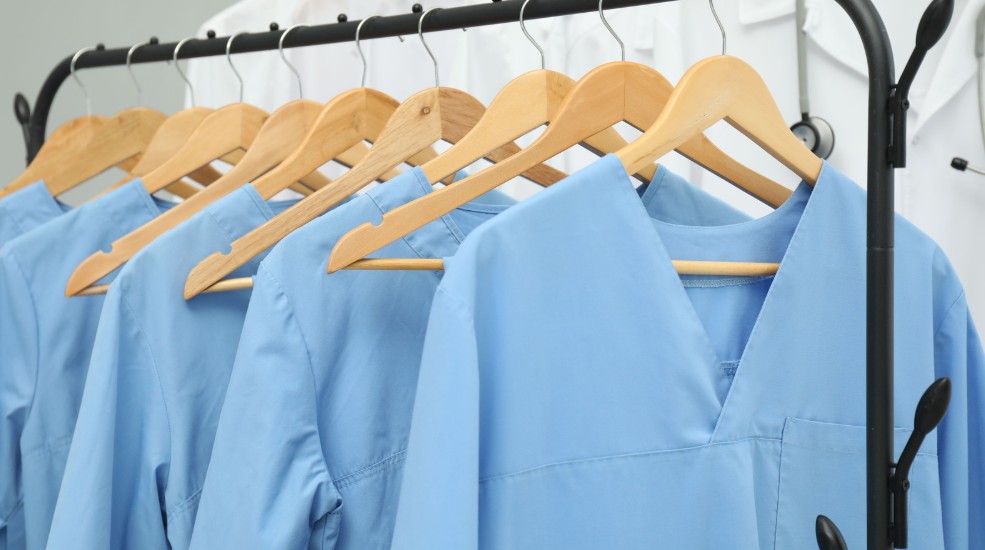
Sustainability is no longer a niche consideration for businesses, it has become a central factor in shaping consumer expectations, employee engagement, and long-term competitiveness.
For organisations of all sizes, embedding sustainable practices into day-to-day operations is no longer optional, it is essential. One area where companies can make a tangible impact is in staff uniforms.
By switching to sustainable uniforms, businesses can not only reduce their environmental footprint but also position themselves for future growth and resilience.
Providers such as AWDis have responded to this demand by creating ranges of sustainable clothing designed specifically for the workplace.
These options combine practicality and durability with eco-conscious production, making it easier for businesses to align their uniform choices with broader sustainability goals.
Why Sustainable Uniforms Matter?
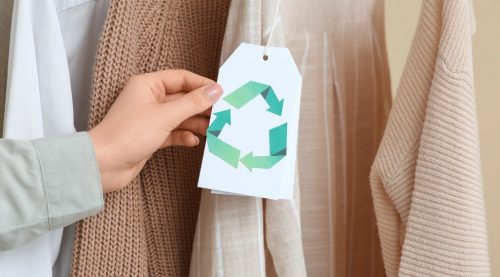 Uniforms are a highly visible part of a company’s brand identity. They shape customer perceptions, influence employee morale, and act as ongoing marketing tools.
However, traditional uniform production often relies on resource-heavy processes, such as conventional cotton farming and petroleum-based polyester, both of which have significant environmental impacts.
Sustainable uniforms, on the other hand, use alternative materials such as organic cotton or recycled polyester, which reduce waste and carbon emissions.
By adopting these options, businesses signal that they are forward-thinking and responsive to the values of modern consumers and employees alike.
How Can Sustainable Uniforms Future-Proof Your Business?
Meeting Customer Expectations
Today’s customers are more informed and conscious about the impact of their choices. Surveys consistently show that consumers prefer to buy from businesses that demonstrate a commitment to sustainability. In competitive markets, this preference can directly influence loyalty and purchasing decisions.
For example, a café in central London that outfits its staff in sustainable uniforms sends a clear message: it is not just selling coffee, it is also investing in the planet’s future.
This small but visible decision differentiates the business from competitors who have not made the same commitment. Over time, such decisions build brand equity and trust.
Enhancing Employee Engagement
Employees also care about sustainability. Younger generations, in particular, want to work for organisations that reflect their personal values. Providing staff with sustainable uniforms shows that the business is listening and acting on environmental concerns.
Practicality is equally important. Eco-conscious ranges from suppliers like AWDis are designed to be comfortable, durable, and stylish.
This balance ensures employees not only feel good about what they are wearing but are also equipped with high-quality clothing that meets the demands of their work. Higher satisfaction leads to better morale, and by extension, stronger customer service.
Reducing Long-term Costs
 A common misconception is that sustainable clothing is always more expensive. While the initial investment may sometimes be higher, businesses often save money in the long term.
Sustainable uniforms are built to last, meaning fewer replacements are required compared to cheaper, lower-quality alternatives.
In addition, the reputational benefits can directly influence revenue. Companies that demonstrate environmental responsibility often gain positive publicity and attract eco-conscious customers, which can lead to stronger sales and long-term growth. In this way, sustainable uniforms are not simply an expense but an investment in the future.
Aligning with Regulations and Corporate Responsibility
Governments around the world are tightening environmental regulations, and the UK is no exception. Businesses that adopt sustainable practices now will be better prepared for future legislation, avoiding costly adjustments later.
Uniforms are a practical and straightforward area to address, allowing companies to show immediate progress towards environmental responsibility.
Corporate responsibility also extends to supply chains. Many sustainable uniforms come with certifications that guarantee ethical production standards, ensuring that workers are treated fairly and that harmful chemicals are not used in manufacturing. This not only supports compliance but also strengthens the company’s ethical standing.
Future-proofing Your Business
To remain competitive, businesses need to think ahead. Sustainable uniforms are a clear example of how companies can make small operational changes that deliver wide-reaching benefits.
They enhance brand image, attract environmentally aware customers, improve employee satisfaction, and reduce long-term costs, all while preparing businesses for stricter environmental standards in the future.
With providers like AWDis offering a broad selection of eco-conscious options, there is no longer a barrier to making the switch.
From organic cotton T-shirts to recycled polyester jackets, businesses can find sustainable uniforms that match their brand identity and operational needs.
Final Thoughts
The move towards sustainability is accelerating, and businesses that fail to adapt risk being left behind. Uniforms may seem like a minor detail, but they represent an opportunity to showcase values, improve efficiency, and demonstrate leadership.
By choosing sustainable clothing from trusted suppliers like AWDis, companies can future-proof their operations and position themselves as forward-looking, responsible brands.
Sustainable uniforms are not just about doing the right thing for the planet, they are about building a business that is resilient, competitive, and prepared for the challenges of tomorrow.