

























The Real Reason Link Building Feels Complicated
Link building is the part no one wants to admit they struggle with. Even the most assured business owners get a bit unsure when link building is mentioned. There’s just too much conflicting advice out there.
The State of Link Building in 2026
The nice thing about 2026 is that link building isn’t the messy guessing game it was a few years back.
Google wants real links from real sites, which means the playing field finally looks fair. You don’t need secret software, spammy tricks, or an inbox full of cold pitches.
You need a sense of what actually works, a bit of consistency, and a realistic view of what you can handle yourself versus what is smarter to outsource.
This guide gives you just enough of the roadmap to understand how real links happen without giving away the entire recipe.
Why Real Links Still Shape Your Rankings?
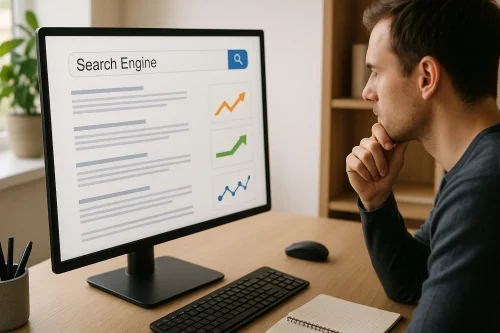
You can publish genuinely helpful content, but without links, search engines barely notice it. Links remain the strongest sign that your work carries weight. When other websites mention your business, it tells search engines your work matters.
Some links carry real weight, and others barely register. A link from a forgotten blog built last month doesn’t carry the same weight as a link from a real site with real readers.
Google figured out the difference years ago, which is why clean, earned links are still the only ones worth chasing.
How to Spot a Real Link?
A real link sits inside content that’s genuinely helpful and written for a specific audience, not for search engines. You’ll usually find it on a page that:
- Makes sense contextually.
- Is written for humans, not crawlers.
- Shows real engagement from readers.
- Comes from a site that ranks for its own keywords.
- Isn’t covered in “Write for us – $20” banners.
Real links feel natural because they are natural.
What White-hat Link Building Really Means?
“White hat” gets used like some kind of purity stamp, even though it’s often applied to methods that don’t belong under that label. Let’s simplify it.
White-hat link building is the slow, honest way. A website links to you because doing so genuinely improves their article, gives readers something useful, or supports a point they’re making. There is no manipulation, no fake authority, and no last-minute anchor text swaps.
It is the slow lane, but it is the lane Google trusts. Most small business owners don’t have time for outreach and follow-ups, so many lean on a white hat link building service to handle the heavy lifting.
The Small Business Roadmap
Every small business can build real links, even with limited time and budget. And there’s plenty of support available for small businesses from sources outside the SEO world, which helps level the playing field even more.
You don’t need dozens of tactics. You need a few good habits and a sense of what actually earns a link.
Start With Something Worth Referencing
Most small businesses never get links because they never create anything someone else wants to reference. You don’t need a viral mega-guide.
You just need one useful asset. That could be a short resource your audience relies on, a simple insight backed by real data from your business, or a clear take on something in your industry that people are tired of hearing spun the same way. P
eople link to things that make their own content better. Create one of those things.
Get It in Front of the Right Readers
Publishing without distribution is the biggest mistake small businesses make. You can’t hit publish and hope someone discovers your content.
You need to share it with writers, editors, bloggers, or small publications already talking about your topic. That doesn’t mean spamming.
It means sending short, human messages that offer genuine value. The goal isn’t to convince someone to link. It is to show them something they will naturally want to use.
Build a Small Cluster of Content
You don’t need a massive blog. What works now is small, focused clusters. A few pages tied together around one topic look far more trustworthy than a scattered blog covering whatever came to mind that week.
When editors see structure instead of chaos, they feel comfortable linking to you. Google does too.
Use the Relationships You Already Have
One of the most overlooked parts of link building is the network you already sit on. Partners, suppliers, industry groups, local associations, long-term customers.
These are genuine relationships, and many of them have websites. Most small businesses never ask to be featured, even when the opportunity is sitting there waiting. That small question can open the door to links that are as natural as they come.
Become Someone Writers Want to Quote
You don’t need PR training or a big personality. You need clear opinions delivered with confidence.
Small publications, newsletters, and journalists constantly look for expert takes because it helps them finish articles faster.
If you can explain something in your industry in a way that sounds human, direct, and useful, you will get quoted. After that, the requests come easier.
Give Guest Posting a Fair Chance
Guest posting still does its job, but it gets a bad rap because it’s been misused for years. When you focus on helping the reader, it’s still a reliable way to pick up real links.
The post should be something you’d comfortably attach your name to. Writing the post is the simple bit. Staying on top of the outreach and replies is what drains the time.
It’s no surprise that many business advisors highlight the value of letting professionals handle complex SEO tasks.
The Traps to Avoid
2026 is full of fast-results schemes that promise authority and deliver headaches. Directories, link networks, AI-generated blog farms, and disguised sponsored placements look attractive until Google catches them.
And Google always catches them. If a link feels manufactured or too easy, assume it won’t hold up long-term.
Real links take longer because they’re actual relationships, not transactions.
The Payoff When You Do It Right

Once you start earning clean links, things shift quickly. Your rankings stop bouncing around every time an algorithm update rolls out.
Your organic traffic becomes steadier. People discover your business through articles you didn’t even know existed. Secondary citations appear. Your brand gains authority without spending a pound on ads.
The best part is that it gets easier. Each good link makes the next one more likely because you start looking like the kind of business worth referencing.
Wrapping It Up
If you’re running a small business and trying to build real authority online, start small. Create one good asset.
Share it with the right people. Build a tight cluster of content instead of scattering your energy. You don’t need the whole playbook, just a few steps done well.