
























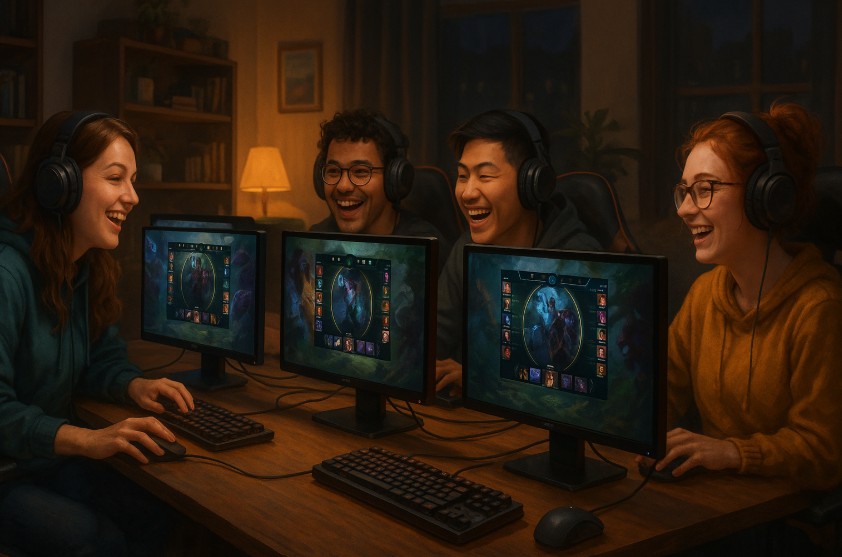
For a game built on competitive blood, sweat, and Elo points, League of Legends has an unlikely secret: not everyone logs in to win.
In fact, for many players, Summoner’s Rift is less about clutching dragon fights and more about hanging out with friends. League isn’t just a MOBA anymore, it’s also a social hub.
The Hidden Social Side of League
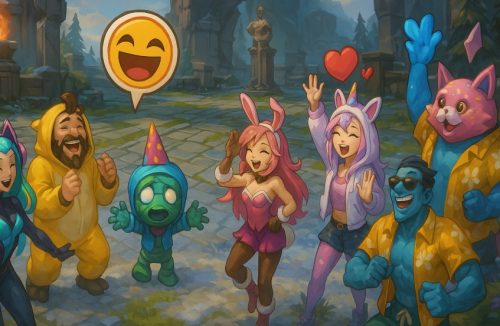
Yes, League has ranked ladders, pro scenes, and esports glory. But let’s be honest, some players haven’t touched ranked in years.
Instead, they’re chilling in ARAM, joking around in custom lobbies, or just sitting in client chat rooms catching up.
It’s the online equivalent of grabbing a coffee with friends, except instead of coffee, you’re dodging Ashe arrows.
This social layer is also where in-game purchases come into play. Many casual players use a League of Legends gift card not to unlock the next meta champion, but to snag skins or emotes that make interacting with their friends more fun.
Flexing a new skin in ARAM or spamming emotes after a kill is as much social communication as it is gameplay.
Why Chatting Beats Climbing?
So why do so many players treat League more like Discord with minions? Simple: pressure. Ranked is stressful. ARAM, normals, and custom games aren’t.
The Reasons Players Lean Into the Social Side Include
- No Rank Anxiety: Losing in normals doesn’t tank your standing.
- Endless Memes: Custom lobbies often spiral into inside jokes faster than team comps.
- Shared Cosmetics: Skins and icons become conversation starters as much as fashion statements.
- Connection Over Competition: It’s easier to bond when the focus isn’t on your KDA.
For many, this “second life” inside League is the main reason they stick with the game year after year, even when the meta shifts or when their mechanics slip.
League as a Digital Hangout Spot
Think of it this way: years ago, MMORPGs like World of Warcraft doubled as virtual town squares. Today, League has inherited that same role.
While it’s not an open-world RPG, the always-online aspect of Riot’s client creates a shared meeting ground. You see who’s online, jump into a quick match, or just chat about your day.
And skins? They’re no longer just “cosmetic.” They’ve become tools of identity. The “DJ Sona” player in your group might not care about pentakills, but they love being the one who sets the vibe. It’s digital self-expression, much like picking an outfit for a night out.
The Future of League’s Social Side
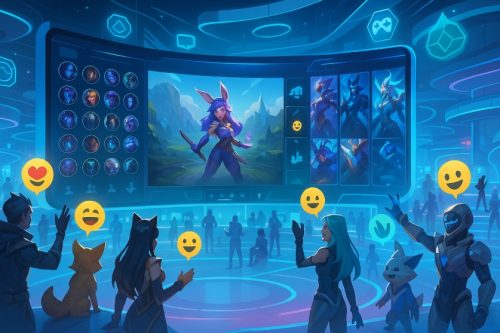
With Riot experimenting with modes like Arena and even crossovers with Valorant, the social glue binding League players could get stronger.
Imagine if emotes, skins, or even player hubs became even more integrated, the League could evolve further into a hybrid between game and social platform.
The Key Trends to Watch
- Community-Driven Modes: Less ranked grind, more creative formats.
- Enhanced Chat and Social Features: Making the client more like a true social network.
- Cross-Game Identities: Shared cosmetics or chat systems across Riot titles.
Final Thoughts
At its core, League may still be about strategy, objectives, and team fights. But for millions of players, it’s also about friendship, memes, and shared experiences.
Some log in to climb, others log in just to laugh, and both are valid ways to enjoy the game.
And if you’re looking to make your social gaming nights even better, you don’t have to spend big.
You can pick up skins, champions, or emotes with ease through a League of Legends gift card, which adds a little extra flair to your play sessions.
After all, games are more than competition, they’re culture. And when it comes to supporting your gaming lifestyle affordably, digital marketplaces like Eneba have you covered.