


























From July 2025, UK motorists will face sweeping changes to driving licence rules, with updates set to impact thousands.
The DVLA’s reforms include a new digital driving licence service, a streamlined exchange process for Moldovan nationals, and stricter medical checks for drivers over 70.
Designed to enhance convenience, align with global standards, and improve road safety, these changes mark a significant shift in licensing policy. Understanding the updates now will help drivers prepare and adapt confidently.
What Are the Key DVLA Driving Licence Changes Coming in 2025?

The year 2025 will mark one of the most significant overhauls of the UK driving licence system in recent memory.
The DVLA has outlined a series of updates that will affect different categories of drivers, from young motorists to senior citizens, and even foreign nationals living in the UK.
These changes are part of a broader government strategy to modernise the licensing process, improve security, and make UK roads safer.
There are three central pillars to the 2025 reforms:
- Digital transformation: Launch of a digital driving licence accessible via the GOV.UK Wallet app, offering motorists the option to carry a secure, mobile version of their licence alongside the traditional physical card.
- International alignment: Introduction of a reciprocal agreement with Moldova, allowing eligible Moldovan licence holders in Great Britain to exchange their licences without undergoing a UK driving test, while giving UK drivers the same rights in Moldova.
- Enhanced safety measures: Implementation of stricter renewal requirements for drivers aged 70 and above, including mandatory medical assessments and vision screenings every three years.
These reforms have been planned with both efficiency and public safety in mind. The digital licence system is designed to reduce administrative delays, cut costs, and provide motorists with a convenient way to present their driving credentials.
The Moldovan exchange agreement aims to simplify life for thousands of drivers while maintaining high safety standards through mutual recognition of licensing processes.
The older driver reforms respond to concerns over accident rates, ensuring that all drivers on UK roads meet necessary health and vision requirements.
While these changes are seen by many as a progressive step, they have also sparked debate.
Some motorists welcome the convenience of digital services, while others are wary about technological reliance and potential accessibility issues.
Similarly, the health-based renewal system for senior drivers has received both praise for its safety benefits and criticism for its potential impact on independence.
Ultimately, the 2025 DVLA changes represent a decisive move towards a more modern, secure, and internationally connected driving licence system, but their success will depend on effective communication, accessibility, and public readiness.
How Will the Moldovan Licence Exchange Work?
From 1 August 2025, Moldovan drivers living in England, Scotland, or Wales will be able to exchange their national licences for a UK equivalent without the need to retake a driving test.
This follows the signing of a memorandum of understanding between Transport Minister Lilian Greenwood and Moldovan Ambassador Ruslan Bolbocean.
Previously, Moldovan nationals had to undergo the full UK driving test process to obtain a valid licence.
The DVLA, after assessing Moldova’s driver training and testing standards, determined that they meet the UK’s requirements for competence and safety.
The process for exchange will follow the standard DVLA application procedure:
| Step | Description | Cost |
| 1 | Complete the DVLA D1 application form | £43 |
| 2 | Provide proof of identity and existing Moldovan licence | Included in fee |
| 3 | Submit application by post or in person | Standard processing |
| 4 | Receive UK driving licence | Valid for the standard UK term |
The agreement is reciprocal, meaning UK drivers will also be able to drive in Moldova without additional testing.
This update is expected to affect approximately 18,000 Moldovan nationals currently residing in Great Britain. The change does not apply to Northern Ireland, which has its own licensing authority.
Why Is the DVLA Introducing Digital Driving Licences?
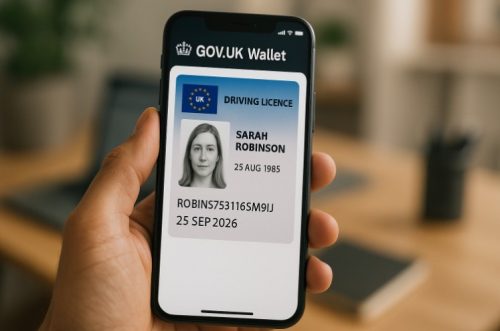
The introduction of digital driving licences within the GOV.UK Wallet app represents a significant step towards digitising UK government services.
This optional service will allow drivers to display their licence on their smartphone while retaining the option for a traditional physical photocard.
Digital licences will use multiple layers of security to protect personal data:
- Smartphone-based facial recognition verification
- Encrypted data storage to protect against hacking or theft
- Remote access control in case of lost or stolen devices
The government anticipates that the move will cut down on administrative delays and save millions annually in processing and postage costs.
However, a survey conducted by Regtransfers found that 57% of drivers were not aware of the upcoming change, raising concerns over public readiness.
Age UK and other advocacy groups have also warned that the shift to digital formats could leave some older citizens struggling to access essential services.
As a result, the DVLA has confirmed that physical licences will remain available for all motorists.
What Are the Implications for Older Drivers?
From July 2025, UK motorists aged 70 or over will face a stricter set of requirements when renewing their driving licences.
The DVLA will no longer rely on self-certification, where older drivers simply confirm they are fit to drive, but will instead require documented proof of medical and visual fitness.
These changes are part of a nationwide effort to improve road safety, reduce collisions involving older drivers, and ensure all road users meet the same high standards.
New Renewal Requirements for Over-70 Drivers
The most significant change is the introduction of a mandatory renewal process every three years for drivers aged 70 and above. Instead of filling in a simple self-declaration form, drivers will need to:
- Undergo a medical assessment from a GP or an approved medical professional
- Pass a vision screening that meets DVLA eyesight standards, including the ability to read a number plate from the required distance
This means that health and eyesight will be formally checked and recorded, removing the reliance on personal judgment, which can sometimes be inaccurate or overly optimistic.
Why the Change Is Being Introduced?
In 2023, 11% of car collision casualties involved drivers aged 70 or above. Analysis of road accident data revealed that “failure to look properly” was one of the most common causes in this age group.
While age alone does not determine driving ability, factors such as reduced vision, slower reaction times, and certain medical conditions become more prevalent with age.
The DVLA’s new policy is designed to:
- Detect and address health issues before they cause road incidents
- Ensure vision meets the legal minimum for safe driving
- Provide families with reassurance that their older relatives are road-safe
What Happens If a Driver Fails the New Requirements?
If a driver does not meet the new health or vision standards, they could face:
- Refusal of licence renewal
- Immediate revocation of an existing licence
- A fine of up to £1,000 for failing to declare a medical condition that affects driving
Some drivers may be offered the option to have their licence restricted to certain conditions, such as only driving during daylight hours, although this will be assessed on a case-by-case basis.
Public and Expert Reactions
The reforms have sparked debate across the UK. Road safety campaigners largely support the move, pointing to the potential reduction in accidents.
However, some organisations, such as Age UK, have raised concerns about the impact on older people’s independence, particularly in rural areas where public transport options are limited.
There is also a discussion about whether similar testing should be introduced for drivers of all ages, not just those over 70, given that vision problems and medical conditions can affect younger drivers as well.
How Do These Changes Aim to Improve Road Safety?

The 2025 DVLA reforms are part of a wider road safety initiative aimed at reducing collisions, injuries, and fatalities. The updates have been designed with several objectives in mind:
- Removing unfit drivers from the road through medical and vision checks
- Closing loopholes for drivers with inadequate foreign licence verification
- Providing secure and up-to-date identification through digital services
- Encouraging compliance through simplified processes and reduced bureaucracy
In 2024, there were 1,633 road deaths in the UK. By modernising licensing processes and increasing driver oversight, the DVLA aims to significantly reduce that number over the coming years.
The inclusion of advanced digital security and stricter health assessments addresses both physical and administrative vulnerabilities in the current system.
What Should UK Drivers Do to Prepare for These Changes?
With the DVLA’s 2025 reforms introducing both technological updates and stricter safety requirements, UK motorists will benefit from preparing well in advance.
Being proactive will help avoid last-minute stress, prevent legal issues, and ensure uninterrupted driving privileges.
Check Licence Expiry and Renewal Dates
One of the simplest but most important steps is to verify the expiry date on your driving licence.
The new rules will not extend renewal deadlines, so drivers must ensure they renew on time. For those over 70, this will mean planning for a three-year renewal cycle that includes both medical and vision checks.
Practical tips include:
- Marking renewal dates in a digital or physical calendar
- Applying for renewal at least one month before the deadline
- Keeping copies of application forms and correspondence with the DVLA
Meet Health and Vision Requirements Early
Under the upcoming rules, drivers aged 70 or over must meet specific medical and eyesight standards to renew their licence. Even if you are younger, it is wise to maintain good eyesight and health for safe driving.
Steps to take:
- Book a comprehensive eye test at least once every two years, or more frequently if advised
- Discuss any medical conditions with your GP, especially if they could affect your ability to drive
- Keep a record of test results in case the DVLA requests them during renewal
Familiarise Yourself with the Digital Licence Option
The launch of the digital driving licence via the GOV.UK Wallet app will give drivers a convenient new way to store and display their licence.
While this is optional, those considering it should ensure they have a compatible smartphone and are comfortable with using mobile apps for official documents.
Key actions:
- Download and explore the GOV.UK Wallet app ahead of the rollout
- Enable smartphone security features such as facial recognition or fingerprint scanning
- Keep both digital and physical licences updated to avoid issues during travel or ID checks
Keep Identification and Documents Updated
Whether exchanging a foreign licence, renewing as an older driver, or adopting the digital format, up-to-date identity documents are essential.
The DVLA will require valid proof of address, proof of identity, and other supporting paperwork.
Recommendations include:
- Checking that your passport is in date
- Ensuring utility bills or bank statements are recent for proof of address
- Keeping all essential documents in a safe but accessible location
Stay Informed on Official Updates
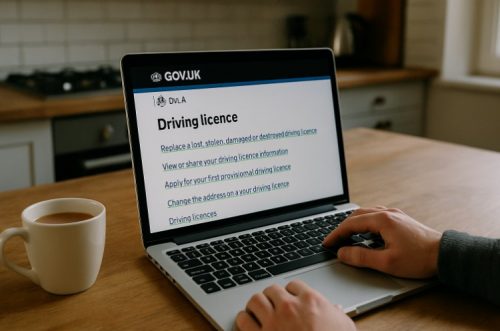
The DVLA will publish further guidance on its website and through government channels as the changes take effect. Staying informed is crucial to avoiding mistakes or missing deadlines.
Drivers can:
- Sign up for DVLA email alerts
- Follow official channels on social media
- Regularly check the GOV.UK website for policy updates
By following these steps, UK motorists can adapt smoothly to the 2025 reforms and remain fully compliant with the law while benefiting from the added safety and convenience these changes aim to deliver.
Conclusion
The DVLA driving licence changes for 2025 combine technological innovation with stronger safety measures, aiming to modernise the system and protect road users.
While the updates promise greater efficiency through digital services and fairer access for foreign licence holders, they also introduce stricter checks to keep roads safe.
Drivers who act early renewing licences, meeting medical requirements, and exploring digital options, will avoid last-minute issues.
By adapting proactively, motorists can embrace these reforms and continue driving with confidence in a safer UK.
FAQs
Will digital driving licences replace physical ones?
No. The DVLA will continue to issue physical licences for those who prefer them, alongside the new digital option.
How secure will digital driving licences be?
The digital licences will use facial recognition and encryption to protect personal data, even if a phone is lost.
Can Northern Ireland drivers benefit from the Moldovan exchange?
No. Licensing in Northern Ireland is handled separately and is not part of this agreement.
How often will drivers over 70 need to renew their licences?
They will need to renew every three years with proof of medical and vision fitness.
Will the DVLA changes affect driving tests for new drivers?
No changes to the standard driving test process have been announced as part of these reforms.
What happens if I fail to meet the new medical standards?
Your licence may be revoked, and you could face fines of up to £1,000 for not declaring medical issues.
How will the DVLA ensure awareness of the changes?
The DVLA plans to release official guidance, update its website, and work with media outlets to spread information.