





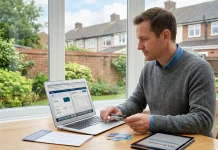




















Choosing between a limited company and a sole trader structure affects your taxes, paperwork, personal liability and plans for growth. The right option depends on how your business operates, the risks it faces and what you need from its profits.
A sole trader generally has a simpler setup and fewer reporting requirements.
A limited company provides a separate legal identity and a way to share ownership, but brings additional costs and responsibilities. Neither structure automatically guarantees a lower tax bill.
This guide compares the main differences using UK rules current as of September 2026, including the 2026/27 tax year, Companies House requirements and Making Tax Digital.
Last Updated: 01.09.2026
What Is the Difference Between a Sole Trader and a Limited Company?
The main difference is legal separation. A sole trader owns and runs the business personally, while a limited company exists separately from its owners. This affects who enters contracts, owns business assets and owes business debts.
Legal Identity and Ownership
A sole trader and their business are the same legal person. Trading under a business name does not change that position or create a separate company.
A limited company is incorporated at Companies House. In a company limited by shares, shareholders own the company and directors manage it. One person can be both the sole shareholder and the only director, so incorporation does not require multiple owners.
Control and Decision-Making
Sole traders make their own business decisions without needing shareholder approval or company resolutions. This can make day-to-day management straightforward.
Company directors must follow their legal duties and the company’s governing rules. Where there are several shareholders, ownership and decision-making rights need to be understood.
A sole director-shareholder still has company responsibilities even when making decisions alone.
Accessing and Retaining Business Profits
Sole traders can take drawings from the business, but tax is based on taxable profits rather than the amount withdrawn. Money left in the business can therefore still be taxable personally.
Company money belongs to the company. Owners must use an appropriate route to take it out, such as salary or properly declared dividends.
Profits can be retained for reinvestment after allowing for company taxes, but the owner cannot treat company funds as personal spending money.
Sole Trader vs Limited Company Comparison Table
| Feature | Sole Trader | Limited Company |
| Legal Identity | The owner and business are the same legal person | Separate legal entity |
| Ownership | One individual | One or more shareholders in a company limited by shares |
| Business Debts | Owner is personally responsible | Company normally owes its own debts, subject to exceptions |
| Tax on Profits | Personal Income Tax and applicable National Insurance | Corporation Tax, with potential further tax on owners’ income |
| Taking Money Out | Drawings do not change taxable profit | Withdrawals must follow company rules |
| Administration | Generally fewer reporting requirements | Companies House and HMRC obligations |
| Financial Privacy | No Companies House accounts filing | Accounts and specified company details are filed publicly |
| Equity Investment | Cannot issue company shares | Can bring in investors through share ownership |
How Does Tax Differ Between a Sole Trader and a Limited Company?
 Sole traders pay tax personally on business profits. Limited companies pay Corporation Tax, while owners may also pay tax on salaries and dividends. Comparing only the headline tax rates can therefore give a misleading result.
Sole Trader Income Tax and National Insurance
Sole traders pay Income Tax on taxable profits after allowable expenses and relevant adjustments.
For 2026/27, the standard Personal Allowance is £12,570, shared across your income sources. Other earnings may use some or all of it, and it reduces when adjusted net income exceeds £100,000.
Income Tax rates are 20%, 40% and 45% in England, Wales and Northern Ireland. Scottish taxpayers have different rates and bands for trading profits.
Self-employed National Insurance generally works as follows for 2026/27:
- Class 4 is charged at 6% on profits above £12,570 up to £50,270
- Class 4 is charged at 2% on profits above £50,270
- Class 2 is treated as paid when profits are at least £7,105, without a compulsory payment
- Eligible people with profits below £7,105 can pay voluntary Class 2 contributions at £3.65 a week
Turnover is not the same as profit. A business with substantial sales may have much lower taxable profits once its eligible costs are deducted.
Limited Company Corporation Tax
Most trading limited companies pay Corporation Tax at 19% on profits up to £50,000 and 25% on profits of £250,000 or more. Eligible companies with profits between these limits receive Marginal Relief, reducing their effective rate.
The thresholds are reduced for short accounting periods and associated companies. Retaining profits for future investment does not remove the company’s Corporation Tax obligation.
Salary and Dividend Tax for Company Owners
A director’s salary may attract PAYE Income Tax and employee National Insurance. The company may also owe employer National Insurance, so the cost to the business can exceed the salary itself.
Dividends must come from available distributable profits and are not deductible when calculating Corporation Tax.
For 2026/27, the dividend allowance is £500, with rates of 10.75%, 35.75% and 39.35% applying above relevant allowances, depending on the shareholder’s tax band.
Salary and dividends therefore need to be considered together, alongside the company’s own tax bill.
Does a Limited Company Always Reduce Your Tax Bill?
No. There is no universal profit threshold at which incorporation becomes more tax-efficient. The outcome depends on other income, withdrawals, pension contributions, available reliefs and business costs.
An owner who withdraws nearly all profits may reach a different conclusion from someone who leaves money in the company for reinvestment.
Compare the combined company and personal tax bill, plus compliance costs, before deciding. An accountant can assess this using your own figures.
How Do You Register and Manage Each Business Structure?
Registration is only the starting point. Each structure brings ongoing duties, and sole traders within Making Tax Digital now face additional reporting requirements.
Registering as a Sole Trader
You can start trading before registering with HMRC, but must keep records from the outset. Generally, you must register for Self Assessment if gross trading income exceeds £1,000 in a tax year. This threshold applies before deducting expenses.
If registration is required, normally notify HMRC by 5 October after the relevant tax year ends. Someone needing to register for 2025/26 would therefore usually have a notification deadline of 5 October 2026.
You can use your own name or an appropriate trading name. Neither creates a separate legal entity.
Setting Up a Limited Company
For a company limited by shares, the main steps are to:
- Choose an available company name
- Provide an appropriate registered office address and a registered email address
- Appoint at least one director and one shareholder, who can be the same person
- Identify people with significant control and prepare the incorporation documents
- Complete director identity verification and provide the required personal codes
Tell HMRC when the company starts doing business and activate Corporation Tax services if needed.
For either structure, VAT registration is generally compulsory when taxable turnover exceeds £90,000 over a rolling 12-month period, or is expected to exceed £90,000 within the next 30 days alone.
Companies House Fees and Identity Verification
Standard online incorporation costs £100, following the fee change on 1 February 2026. The digital confirmation statement fee is £50, payable with the first statement in each 12-month payment period.
Mandatory identity verification began on 18 November 2025. New directors must verify before incorporation or appointment.
Existing directors follow a transition linked to confirmation statements, while people with significant control have separate deadlines and submission requirements.
Accounting and Record-Keeping Responsibilities
Sole traders must keep accurate records and complete tax returns when required. Business records generally need to be retained for at least five years after the relevant tax year’s 31 January filing deadline.
Limited companies must file annual accounts and confirmation statements with Companies House, and Company Tax Returns with HMRC when required.
They must maintain their register of members and required decision records, keep company information current and operate PAYE where necessary.
Requirements for local registers of directors, residential addresses, secretaries and people with significant control ended on 18 November 2025. The relevant information must still be reported to Companies House.
The joint online accounts and Company Tax Return service closed on 31 March 2026. Companies that used it must generally use commercial software for their HMRC return and accompanying accounts. Companies House accounts remain a separate filing obligation.
Making Tax Digital Requirements for Sole Traders
Making Tax Digital for Income Tax requires affected sole traders and landlords to keep digital records, send quarterly updates and submit their annual tax return using compatible software.
Unless an exemption or deferral applies, entry depends on qualifying income for the relevant assessment year:
| Required Start Date | Qualifying Income Threshold | Income Assessment Year |
| 6 April 2026 | Over £50,000 | 2024/25 |
| 6 April 2027 | Over £30,000 | 2025/26 |
| 6 April 2028 | Over £20,000 | 2026/27 |
Qualifying income generally combines gross self-employment and property income before expenses, rather than taxable profit. Quarterly updates are summaries, not a replacement for the annual tax return.
Which Structure Provides Better Legal Protection and Privacy?
A limited company generally offers more separation between business debts and personal finances. However, this protection has exceptions, and incorporation also creates public disclosure obligations.
Unlimited Liability for Sole Traders
A sole trader is personally responsible for business debts and liabilities. If the business cannot pay its creditors or faces a successful claim, personal assets may be at risk.
A separate business bank account can make record-keeping easier, but it does not change this legal position or provide limited liability.
Limited Liability for Company Shareholders
Shareholders can lose the money invested in their company. Their additional liability as shareholders is generally limited to any amount unpaid on their shares.
For example, someone with fully paid shares would not normally have to settle a £20,000 company debt personally just because they own the business. A personal guarantee or another legal basis for liability could change that outcome.
Personal Guarantees and Directors’ Responsibilities
A lender, landlord or supplier may ask a director to guarantee a company obligation. If the company cannot pay, that guarantee can expose the director’s personal assets without any misconduct being involved.
Directors can also face personal liability in circumstances involving breaches of duty or other wrongdoing. Understand any guarantee before signing it, and do not treat incorporation as a substitute for appropriate insurance and careful management.
Public Information and Companies House Disclosure
Sole traders do not file annual accounts with Companies House, and their Self Assessment returns are not published on its register.
Limited companies file accounts and specified business information publicly.
This includes the registered office address, directors’ names and service addresses, and certain details about people with significant control. The financial information published depends on the applicable accounts and filing rules.
Protecting Your Home Address and Personal Details
A director’s usual residential address and full date of birth are not normally public. However, a home address can become visible if used as the registered office or service address.
If privacy is important, consider a suitable alternative address that meets the relevant requirements before submitting company documents. Check which details will be public rather than assuming all personal information is protected.
Which Business Structure Is Right for You?
 The better structure is the one that fits your business activities, finances and plans. Incorporation is not automatically a sign that a business is more successful, and remaining a sole trader does not prevent commercial growth.
Advantages and Disadvantages of Being a Sole Trader
The main advantages are a straightforward setup, direct control and generally lower administration costs. This can suit someone testing a business idea or running a relatively simple operation.
The drawbacks include unlimited personal liability and the inability to offer company shares to investors. Digital reporting obligations may also add work, so sole trader status should not be confused with having no compliance requirements.
Benefits and Drawbacks of a Limited Company
A limited company offers a separate legal identity, structured share ownership and the ability to retain profits within the business. These features can support investment and longer-term ownership plans.
The trade-offs include incorporation costs, ongoing filing duties, public disclosure and rules on accessing company money. Tax savings are possible in some circumstances, but must be assessed rather than assumed.
Choosing Based on Profit, Risk and Administration
Before deciding, focus on three practical questions:
- How much profit do you expect, and how much will you need to withdraw?
- What debts, contracts or legal claims could expose you to personal risk?
- Can you manage the ongoing reporting, software and professional support costs?
A low-risk business with straightforward finances may value simplicity. A business taking on significant commitments may place greater weight on legal separation, while still considering guarantees and insurance.
Choosing Based on Growth and Investment Plans
If you want investors to own part of the business, a company limited by shares provides a recognised structure for doing so. Share ownership can also help organise responsibilities between founders and plan future ownership changes.
However, incorporation does not guarantee investment or easier borrowing. Lenders and investors still assess the business, its financial position and the risks involved. Growth plans should be considered alongside these commercial realities.
Changing From a Sole Trader to a Limited Company
You can begin as a sole trader and incorporate later. However, the change involves transferring business operations to a new legal entity, rather than simply adding “Ltd” to the trading name.
Review assets, contracts, banking arrangements, insurance and tax registrations before moving across.
Existing debts do not automatically disappear, and transferring assets can have tax consequences. Professional advice can help you plan the transition and avoid gaps in responsibility.
Conclusion
Choosing between a limited company and a sole trader depends on your risks, profits, withdrawal needs and future plans. Sole traders generally benefit from simplicity, while limited companies provide legal separation and more flexible ownership arrangements.
Compare the complete tax position, compliance costs and personal exposure before deciding. Neither structure guarantees lower tax or removes every business risk.
Review the choice as your circumstances change, and seek accounting or legal advice when the financial or contractual implications are significant.
Frequently Asked Questions
Is It Cheaper to Be a Sole Trader or a Limited Company in the UK?
Sole traders generally have lower setup and administration costs. Standard online incorporation costs £100, and companies also need to budget for ongoing filing and compliance.
Can I Change From a Sole Trader to a Limited Company Later?
Yes. You can incorporate and transfer the business, but contracts, assets and tax registrations need to be handled correctly during the change.
Do I Need an Accountant If I Am a Sole Trader?
No, an accountant is not compulsory. You remain responsible for accurate records, tax returns and Making Tax Digital submissions where required.
What Taxes Does a Limited Company Pay in the UK?
Companies generally pay Corporation Tax at 19% or 25%, with Marginal Relief where eligible. VAT and payroll taxes may also apply, while shareholders can owe dividend tax.
Can a Sole Trader Use a Business Name?
You can use a trading name without registering it at Companies House. A separate trade mark registration can protect an eligible name or brand.
How Much Can a Sole Trader Earn Before Paying Income Tax?
The standard Personal Allowance is £12,570 in 2026/27, shared across your income sources. Income Tax normally depends on taxable profit, rather than turnover.
Does a Limited Company Protect My Personal Assets?
It usually separates company debts from personal finances. Personal guarantees, unpaid share capital and certain breaches of directors’ duties can still create personal exposure.



