

























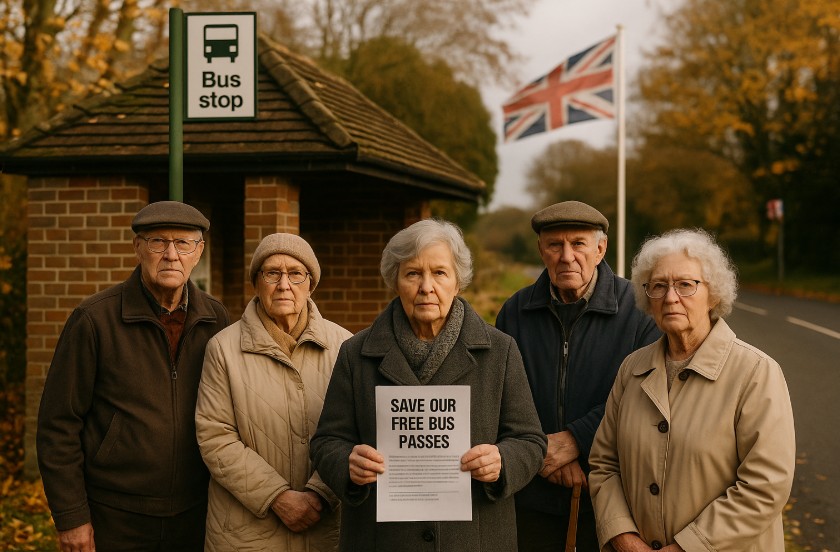
In England, millions of pensioners are set to face new challenges when it comes to accessing free bus travel.
Amidst rising costs of living and increasing state pension age, recent updates from the Department for Transport (DfT) have confirmed that changes to the eligibility rules for free bus passes are imminent.
A petition that gathered more than 101,200 signatures signals a growing demand for change but what exactly does it mean?
What Are The Current Rules For Pensioner Bus Passes In England?
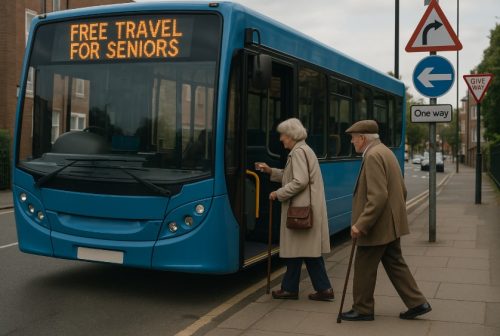
In England, free travel for older people is offered through the English National Concessionary Travel Scheme (ENCTS).
This scheme enables eligible pensioners to travel free of charge on local bus services during off-peak hours. However, the eligibility criteria are directly tied to the State Pension age, which is currently 66.
Only those who have reached this age can apply for and receive a bus pass in most parts of England. This means individuals aged 60 to 65 are excluded, despite many being retired or having reduced mobility.
There is, however, a notable exception. In London, residents can apply for an Older Person’s Freedom Pass when they turn 60.
This pass covers a wider range of services beyond local buses, including the Tube, DLR, Overground, and certain rail services within Greater London.
In contrast, the rest of the UK has a different approach. Scotland, Wales, and Northern Ireland offer free bus travel to all residents aged 60 and over, regardless of their local area or pension status.
Summary of Bus Pass Eligibility by Region
| Region | Eligibility Age | Scheme Name | Coverage |
| England (Outside London) | 66 (State Pension Age) | ENCTS | Free off-peak local bus travel |
| London | 60 | Older Person’s Freedom Pass | Buses, Tube, Overground, DLR, etc. |
| Scotland | 60 | National Entitlement Card | Free bus travel nationwide |
| Wales | 60 | Concessionary Travel Pass | Free bus travel throughout Wales |
| Northern Ireland | 60 | SmartPass | Free or discounted bus and rail travel |
This fragmented structure across the UK has fuelled calls for a standardised, fairer approach to concessionary travel for all older residents.
Why Is The State Pension Age Increasing And How Does It Affect Bus Pass Eligibility?
The rising State Pension age is a result of legislation introduced to reflect increasing life expectancy and the financial sustainability of pension systems. Two key pieces of legislation underpin this change: the Pensions Act 2011 and the Pensions Act 2014.
The progression of the State Pension age is as follows:
- Increased from 65 to 66 by 2020
- Set to rise to 67 between 2026 and 2028
- Further increase to 68 scheduled between 2044 and 2046
Since eligibility for free bus passes outside London is tied to the State Pension age, any increase delays access to travel benefits for older adults. For example, someone turning 66 in 2026 may have to wait an additional year before receiving a free bus pass.
The rationale for these changes is primarily economic. As life expectancy improves, individuals are likely to spend more years drawing pensions and accessing public services.
The government, facing long-term budget pressures, has sought to align entitlements like free travel with broader pension reforms.
The effect is twofold:
- Individuals aged 60–66 may face restricted mobility and increased transport costs
- Local authorities could experience more demand for discretionary travel schemes or assistance
This policy approach, while fiscally conservative, raises ongoing concerns about social fairness and accessibility for older individuals.
What Changes To Free Bus Travel Are Expected From April Next Year?
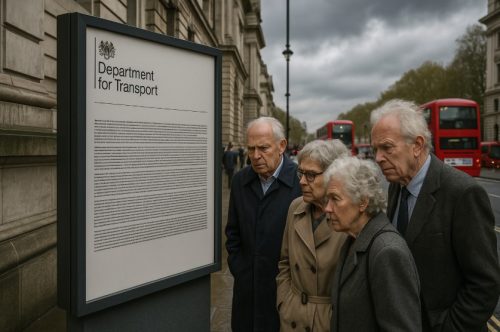
From April 2025, the age at which residents in England qualify for a free bus pass will shift in line with the increase in the State Pension age. The Department for Transport has confirmed that the eligibility age will rise incrementally, meaning that by 2028, individuals may need to wait until they are 67 before accessing this benefit.
The announcement has sparked widespread concern among older communities, particularly those who had anticipated access to free travel in their early 60s.
A spokesperson for the Department for Transport said:
“We fully recognise bus passes are vital to many older people, providing access to essential services and keeping people connected through free local travel.
We’re already in the process of making ambitious reforms to improve bus services for all passengers and supporting local areas to improve reliability and affordability.”
These changes also come at a time when public transport reliability and affordability are already under scrutiny. As a result, many pensioners may find themselves reliant on paid alternatives at a time when cost-of-living pressures are already mounting.
Why Are Campaigners Calling For The Free Bus Pass Age To Be Lowered?
Campaigners and pensioner advocacy groups argue that aligning bus pass eligibility with the State Pension age unfairly penalises older individuals who have not yet reached official retirement but may already face mobility limitations or financial constraints.
The following concerns have been raised:
- Inconsistent eligibility creates a postcode lottery
- Over-60s outside of London are treated unfairly
- Reduced access to public transport may lead to social isolation
For many individuals, turning 60 marks a significant transition in work, health, and lifestyle. In devolved nations like Scotland and Wales, recognition of this life stage is reflected in early access to concessionary travel. In England, however, the system is increasingly out of step.
The argument is further strengthened by changing demographic patterns. As people age, their ability or willingness to drive declines, making public transport essential.
Providing free access to transport is not only a matter of economic relief but also of health, social inclusion, and independence.
What Does The Petition With Over 101,200 Signatures Actually Demand?
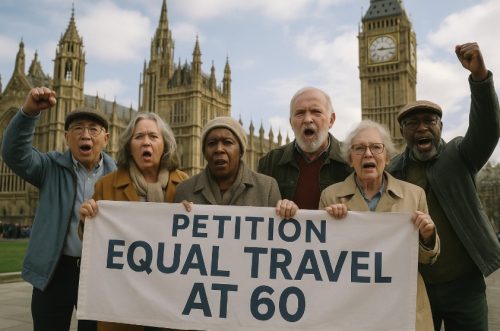
The petition, which gained more than 101,200 signatures before closing, directly calls on the government to extend free bus travel to all individuals aged 60 and above across England. The wording of the petition highlights the issue of inequality and seeks parity with London and the devolved nations.
Key statements from the petition include:
- A call for fairness and nationwide equality
- The belief that the current system is unjust
- A demand for policy change in line with public opinion
This significant level of public engagement has forced the government to respond formally, though no legislative changes have been announced to date.
How Did The Government Respond To The Bus Pass Petition?
In its official response issued in February, the government acknowledged the importance of concessionary travel schemes but emphasised the financial implications of expanding eligibility.
According to the Department for Transport, the ENCTS currently costs approximately £700 million per year. Expanding eligibility to everyone aged 60 could result in a substantial increase in public expenditure.
The government stated:
“Any changes to the statutory obligations must be carefully considered for their impact on its financial sustainability.”
While no national reforms were proposed, the response did note that local councils retain the power to implement additional travel concessions for residents under the State Pension age.
This aspect of the response was viewed by campaigners as a potential opening to push for change at the local level.
Can Local Councils Reduce The Bus Pass Age Independently?
Yes, local authorities in England can offer enhanced concessionary schemes at their discretion. This means that while the national scheme sets a minimum standard, councils may introduce additional benefits, including lowering the age of eligibility for free bus travel.
However, the ability of councils to act is often constrained by financial pressures and competing priorities. Few have implemented local schemes due to limited budgets.
Example Approaches by Local Authorities
| Council | Local Enhancements Offered | Age Requirement | Status |
| London Boroughs | Older Person’s Freedom Pass | 60 | Active and widely used |
| Other English Councils | Minimal or no additional schemes | 66+ | Constrained by budget |
Despite this, the government’s reference to discretionary powers in its petition response has renewed attention on what local councils can do.
Campaigners are now shifting part of their efforts to the local level, calling on councils to use their powers where possible to deliver fairer access to transport for residents over 60.
What Does This All Mean For Future Pensioners And Travel Benefits?
For individuals approaching retirement age, the message is clear: access to free bus travel will likely be delayed unless local reforms are introduced. The continued rise of the State Pension age will result in later eligibility for travel concessions, unless national policy is restructured.
Looking ahead:
- The age threshold will rise to 67 by 2028
- A rise to 68 is already planned for 2044–2046
- Local governments may become key players in closing the gap
There is growing recognition of the importance of accessible, affordable transport for the ageing population. While the government has prioritised fiscal caution, public sentiment suggests that greater attention must be given to the role of public transport in supporting older adults’ well-being, independence, and quality of life.
Conclusion
The recent confirmation that free bus pass eligibility in England will move further in line with the State Pension age has sparked both frustration and activism.
While more than 100,000 people have demanded a reversal through a national petition, the government remains cautious due to financial considerations.
However, the conversation is far from over. With local councils having the power to implement changes independently, and with public pressure mounting, there may yet be opportunities for policy shifts either locally or nationally in the near future.
Frequently Asked Questions
What is the ENCTS and who qualifies?
The English National Concessionary Travel Scheme (ENCTS) allows eligible residents in England to travel free on local buses during off-peak times. Qualification currently begins at the State Pension age, which is 66.
Is the free bus pass age going up in 2025?
Yes, from April 2025, the eligibility age will rise in alignment with the increasing State Pension age. Eventually, individuals will need to be 67 to qualify for a free bus pass.
Why do Londoners get a bus pass at 60?
Londoners benefit from the Older Person’s Freedom Pass, funded by the Mayor of London and local councils. It is a separate scheme from ENCTS and is available from age 60.
How do I check if I’m eligible for a concessionary travel pass?
You can check eligibility and apply through your local council’s website or the UK Government portal. Age and residency requirements vary slightly depending on your location.
Can I apply early if I have health issues or mobility problems?
Some councils offer disability-related travel passes. These are separate from age-based schemes and may have different eligibility requirements.
What happens if I turn 66 after April 2025?
If the new eligibility age is implemented as planned, individuals turning 66 after April 2025 may have to wait until age 67 to receive their free bus pass.
Is the government planning any alternative support for over-60s?
At present, the government has not introduced a national alternative for those under the State Pension age. Local authorities may offer targeted support where possible.