

























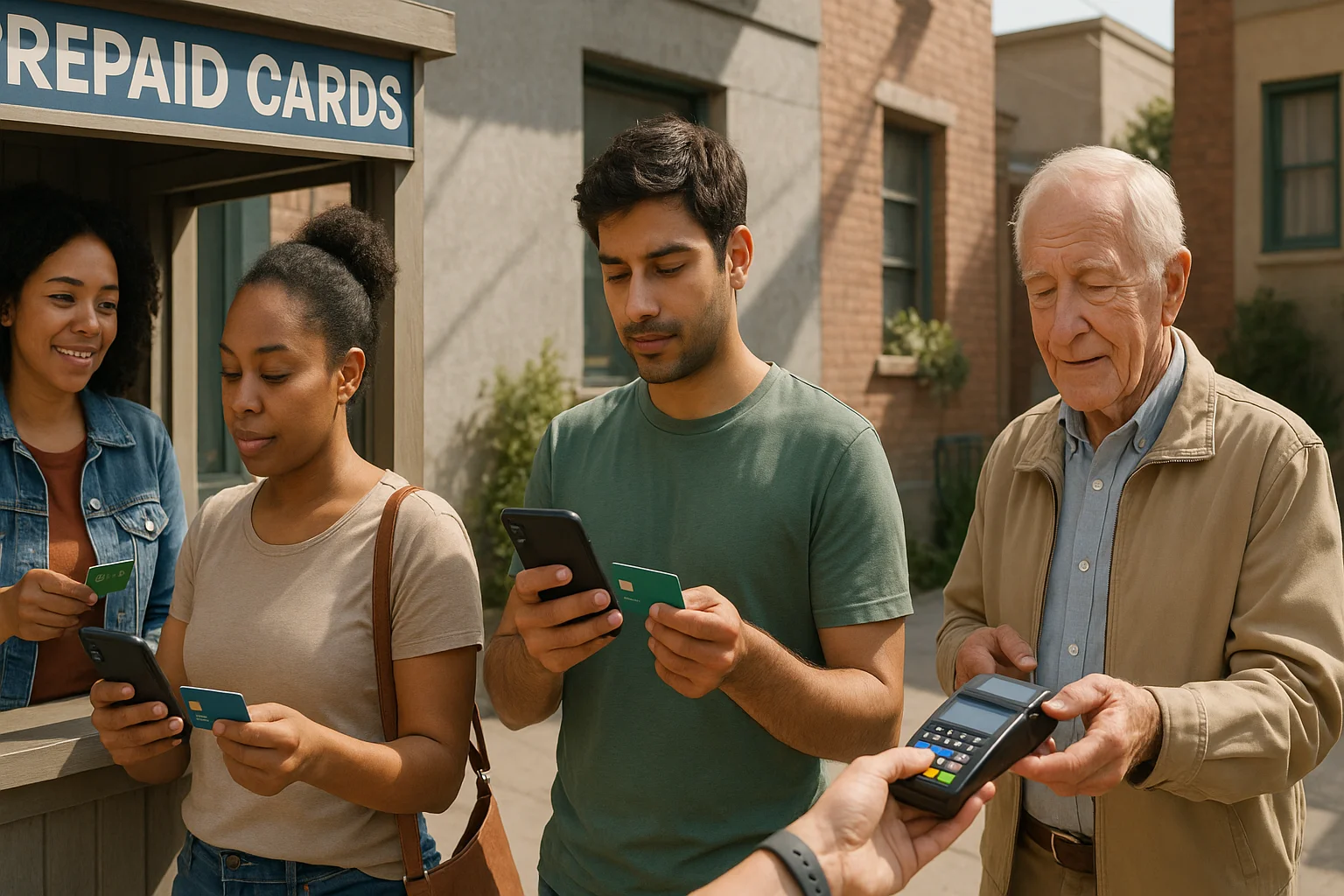
In a world where digital transactions are becoming the norm, financial inclusion remains a pressing issue. Millions of people across the globe still lack access to basic banking services, leaving them on the fringes of the modern economy.
Enter prepaid cards: a versatile, accessible, and increasingly popular solution that is redefining how people engage with money.
The Financial Exclusion Problem
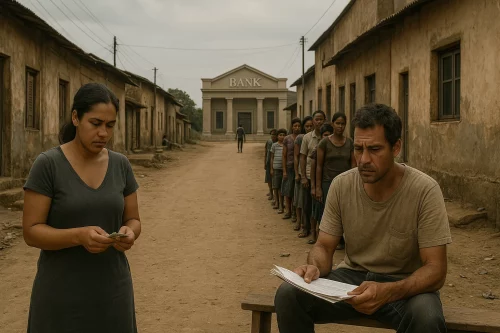
Many individuals in developing countries or underserved regions face hurdles like high bank fees, stringent identification requirements, or simply the lack of nearby bank branches.
This financial exclusion prevents people from saving securely, making online purchases, or participating in e-commerce platform. Without these opportunities, they miss out on essential services and economic growth prospects.
Prepaid cards are changing that narrative. Unlike traditional bank accounts, prepaid cards are easy to acquire, require minimal documentation, and can be loaded with any amount of money. People can now store value safely and make transactions online or in person without needing a conventional bank account.
Some providers, like Refilled, offer simple digital solutions for topping up these cards, making them even more accessible for newcomers to the financial system.
How Prepaid Cards Empower the Unbanked?
Prepaid cards bring several advantages that directly impact financial inclusion:
Accessibility
- Cards are available at retail stores, kiosks, or online, removing geographic barriers.
- Minimal documentation requirements make them approachable for those without formal IDs.
Financial Control
- Users can only spend what’s loaded on the card, reducing the risk of debt.
- Prepaid cards help people manage small budgets, especially in regions where cash is predominant.
Digital Integration
- Many prepaid cards now come with mobile apps to track spending and reload balances.
- People gain access to online marketplaces, bill payments, and subscription services.
Through these mechanisms, prepaid cards are not just a payment method, they’re a gateway to digital financial participation. From sending money to relatives in another city to purchasing essentials online, these cards empower users to engage fully in the economy.
Beyond Borders: Global Impact
The benefits of prepaid cards extend beyond local communities. Migrant workers can send remittances back home without exorbitant fees.
Students studying abroad can access funds safely. In regions with volatile banking systems, prepaid cards offer stability and predictability, making them a lifeline for everyday financial transactions.
Moreover, fintech companies and digital marketplaces are leveraging prepaid cards to extend financial services where banks cannot reach. Services like Refilled provide seamless top-up solutions, connecting users to the broader digital economy with just a few taps on a smartphone.
A Step Toward Economic Empowerment
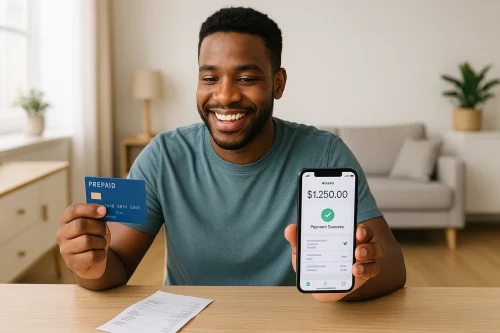
The real value of prepaid cards lies in their ability to democratize financial access. They reduce the barriers to entry for people traditionally excluded from banking and provide a safe, manageable way to interact with money.
As more individuals gain access to these tools, the ripple effects are substantial, boosting entrepreneurship, online commerce, and personal financial literacy.
Digital marketplaces like Eneba further complement this trend by providing platforms where prepaid cards can be purchased safely and efficiently.
By bridging the financial inclusion gap, prepaid cards are not only transforming individual lives, they’re reshaping the global economy for a more inclusive future.