






















The cost of Mounjaro, a popular weight-loss and diabetes medication developed by Eli Lilly, is set to rise by 170% in the UK from September.
This sharp increase, affecting private patients, has ignited widespread concern across the healthcare landscape.
While NHS users remain unaffected, the pricing shift raises questions about pharmaceutical strategies, global market alignment, and access to essential treatments.
As the UK adjusts to this development, understanding the wider implications becomes vital for patients, policymakers, and healthcare providers alike.
What Is Mounjaro and Why Is It Gaining Popularity in the UK?
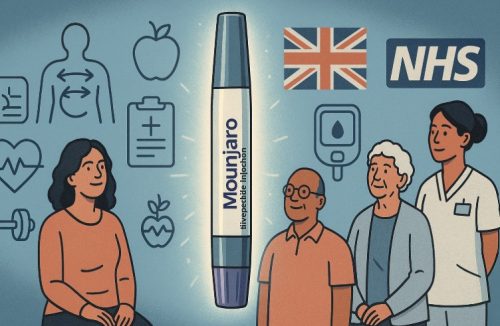
Mounjaro, the brand name for the drug tirzepatide, is a medication originally developed to treat type 2 diabetes.
However, it has quickly risen in popularity due to its ability to help patients lose weight significantly.
It belongs to a newer class of medications known as GLP-1 receptor agonists, which work by mimicking the hormones that regulate blood sugar and appetite.
In the UK, Mounjaro is being prescribed both through the NHS and private clinics. Its appeal lies in its dual benefit for people with diabetes and those living with obesity.
Clinics report a sharp increase in demand for GLP-1-based weight-loss injections, and Mounjaro is often favoured for its greater weight-loss outcomes compared to other medications in the same class.
Unlike Wegovy and Ozempic, which are based solely on semaglutide, Mounjaro utilises dual-action hormone stimulation, offering potentially better results in clinical trials.
As a result, both patients and healthcare providers have turned their attention to it as a major breakthrough in weight and diabetes management.
Why Is Eli Lilly Increasing the Price of Mounjaro in the UK?
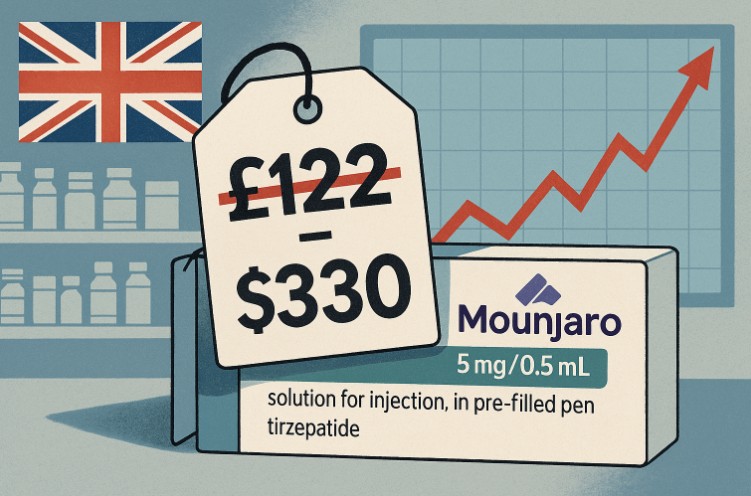
The price of Mounjaro in the UK is set to rise from £122 to £330 starting in September. This 170 per cent increase is one of the most significant shifts in pharmaceutical pricing seen in recent years, particularly for a drug so widely used.
Eli Lilly, the manufacturer, stated that the drug was initially launched in the UK at a much lower price than in other European countries.
The reason was to facilitate rapid approval and adoption within the NHS framework. With Mounjaro now available to NHS patients, the company says it is aligning its pricing with global markets to maintain consistency and sustainability.
The manufacturer noted that it had been in discussions with the UK government about this change.
A spokesperson confirmed that the list price increase had been agreed upon while ensuring that NHS patients would not face higher costs.
The price adjustment comes at a time when international pressure on drugmakers is intensifying.
Eli Lilly is also responding to market pressures and global healthcare policy developments, particularly those from the United States.
Who Will Be Affected by the Mounjaro Price Hike?
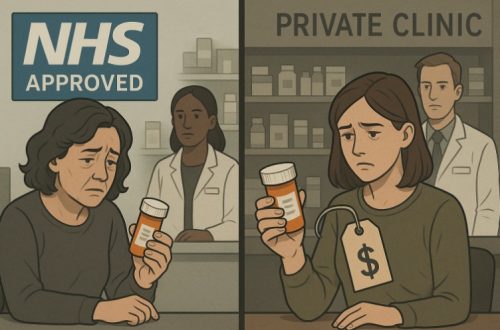
The upcoming price hike will primarily affect individuals who access Mounjaro through private healthcare providers and clinics.
These are typically people who do not qualify for NHS coverage or who choose to access the medication privately for quicker availability.
NHS patients will not see a change in pricing, as the new cost structure is not being applied to prescriptions dispensed through the public system.
However, private patients will now face monthly medication costs that are nearly three times higher than before.
Some of the groups most affected include:
- Individuals undergoing weight-loss treatments through private clinics
- Diabetic patients who have chosen to manage their condition privately
- Patients awaiting NHS approval who have been prescribed Mounjaro privately in the interim
Retailers estimate that more than 500,000 people in the UK currently use either Mounjaro or similar drugs like Wegovy.
A large portion of these individuals access medication through private routes, and many now face tough decisions about continuing treatment.
How Is Donald Trump Influencing Global Drug Pricing?
The decision to increase Mounjaro’s price in the UK is indirectly linked to political developments in the United States.
Former US President Donald Trump has publicly criticised American pharmaceutical pricing, demanding that US consumers no longer pay more than patients in other developed countries.
Trump recently sent formal letters to the executives of 17 major drug manufacturers, including Eli Lilly, urging them to reduce prices in the United States to match those in Europe and other regions.
This approach is based on a “most favoured nation” pricing strategy, where the US would only pay as much as the lowest-paying country.
Officials close to the move revealed that the letters are part of a broader pricing negotiation tactic intended to level international price disparities.
For pharmaceutical companies, this increases the pressure to balance pricing globally, which may result in price adjustments in countries like the UK to avoid further political backlash in the US.
Eli Lilly has not explicitly mentioned Trump in their public comments, but the company acknowledged that drug pricing should be more equitably distributed across developed countries.
They pointed out the complex and opaque nature of the US healthcare system, which often includes hidden fees, varying insurance co-payments, and programme abuses that inflate prices.
What Does the Mounjaro Price Increase Say About the UK’s Healthcare and Pharmaceutical System?
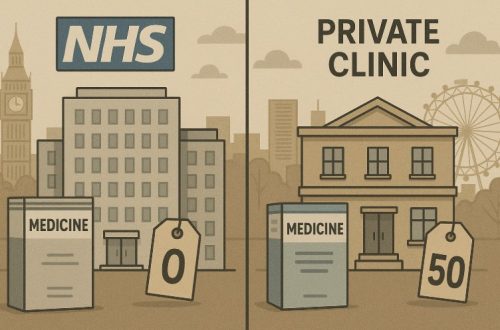
The UK operates a dual-access system for prescription medication. On one side is the publicly funded NHS, which negotiates lower costs with pharmaceutical companies.
On the other side is the private sector, where patients must pay full market price. The Mounjaro case highlights the significant gap in patient experience between these two systems.
Eli Lilly’s original decision to offer Mounjaro at a reduced price was largely influenced by NHS considerations. The goal was to introduce the medication into the public system as efficiently as possible, prioritising access and speed over initial profitability.
Now, with Mounjaro established in the NHS and with international pricing under review, the company is readjusting prices to better reflect market conditions.
NHS vs. Private Access to Mounjaro
| Access Type | Monthly Cost | Eligibility | Availability |
| NHS | Subsidised | Type 2 diabetes, per NHS criteria | Through NHS-prescribed care |
| Private Clinics | £330 | Any private patient with approval | Directly via prescription |
This situation reveals some key points about the UK healthcare system:
- NHS patients benefit from centralised pricing and wide-scale negotiations
- Private patients carry the full financial burden of medication pricing changes
- Price increases in the private sector do not necessarily reflect clinical need or demand
As the pharmaceutical landscape evolves, future pricing changes may further test the balance between access, affordability, and innovation.
Could the Mounjaro Price Increase Set a Precedent for Other Medications?
The UK’s Mounjaro price change is being closely watched across the healthcare and pharmaceutical industries.
There is growing concern that other weight-loss and diabetes medications may follow suit, leading to higher prices across the board for private patients.
With the success of Mounjaro, other GLP-1 receptor agonists like Wegovy and Ozempic are also under pressure to review their pricing strategies.
The weight-loss drug market is expanding rapidly, and competition is fierce. Pharmaceutical companies are increasingly aware of how price plays a role in both access and profitability.
Potential Impact on Similar Medications
| Medication | Current Private Price (Approx.) | Risk of Price Adjustment | NHS Access |
| Wegovy | £199–£250 | Moderate | Yes |
| Ozempic | £120–£180 | Low (stable pricing) | Yes |
| Mounjaro | £330 (from Sep 2025) | Confirmed | Yes |
While these changes are driven by economic and strategic factors, patient advocacy groups warn that they may result in diminished access for vulnerable populations.
Many of these drugs are already expensive and may become unaffordable for individuals who fall outside the NHS eligibility criteria.
What Are the Alternatives for Patients Affected by the Price Increase?
For patients impacted by the price change, there are alternative routes and therapies to consider.
While not all offer the same results as Mounjaro, they can provide effective support for weight management and type 2 diabetes care.
Some available options include:
- Wegovy and Ozempic, which remain accessible through the NHS for qualifying patients and via private clinics
- Consulting GPs for eligibility under new NHS guidelines for obesity treatment
- Enrolling in clinical trials offering access to innovative therapies at reduced cost
- Participating in structured weight management programmes involving diet, exercise, and behavioural therapy
Although the price hike limits private access for some, exploring alternative solutions may help bridge the gap for patients in transition.
Conclusion
Eli Lilly’s decision to raise the price of Mounjaro in the UK raises complex questions about global healthcare equity, pharmaceutical strategy, and patient welfare.
While the company argues that aligning prices across countries ensures sustainability and fairness, the sudden jump in cost could place the medication out of reach for thousands of private patients.
For NHS users, the impact will be minimal for now. But the broader concern lies in the precedent this sets and how it may affect future access to life-changing drugs.
Transparent pricing strategies, fair negotiations, and political accountability will be crucial in ensuring that progress in medical treatment doesn’t come at the cost of affordability or accessibility.
Frequently Asked Questions
Is Mounjaro still available through the NHS in the UK?
Yes, Mounjaro remains available to eligible patients via the NHS. The recent price increase only applies to private prescriptions.
Why was Mounjaro initially priced lower in the UK?
Eli Lilly set a lower price in the UK to enable faster access through the NHS and to meet early demand in the market.
What is the difference between Mounjaro and Wegovy?
Both are GLP-1 receptor agonists, but Mounjaro (tirzepatide) has shown greater efficacy in some studies for both diabetes control and weight loss compared to Wegovy (semaglutide).
How can patients qualify for Mounjaro through the NHS?
Eligibility typically depends on clinical guidelines, including BMI, the presence of type 2 diabetes, and other risk factors. Consult your GP or specialist for more information.
Is the price increase permanent?
Eli Lilly has not indicated whether the price hike is temporary or permanent, but the adjustment is intended to align UK prices with other European markets.
Are there any discount programmes for private patients?
Currently, there are no widely available discount schemes in the UK for private Mounjaro prescriptions. Patients are encouraged to consult with clinics or explore alternative treatments.
What is the “most favoured nation” pricing model?
It’s a proposal where pharmaceutical companies must offer prices in the US that are equal to or lower than the lowest price charged in other developed countries.



