

























If you’ve ever wondered how much HGV drivers earn in the UK, the answer is: anywhere from £21,000 to over £60,000 per year, depending on experience, licence type, and the nature of the work.
As someone who’s spent time researching and speaking with drivers and professionals, I can tell you that earnings have remained strong going into 2026.
Here’s a quick overview of HGV driver pay in the UK:
- Entry-Level/Class 2: £21,000 – £30,000 annually
- Experienced/Class 1: £35,000 – £50,000+
- Hourly Rates: £14 – £30+, depending on shift and location
- Monthly Earnings: £2,000 – £4,500+
- Top Roles (ADR, Oversized Loads): £50,000 – £60,000+
- Bonuses & Night Pay: £5,000 – £10,000 additional per year
What Is the Average HGV Driver Salary in the UK Today?
 The salary of an HGV driver in the UK is influenced by several key factors including experience, licence category, location, employer type, and the nature of the goods transported.
From my own research and analysis of recruitment platforms like TotalJobs, Indeed, and Glassdoor, as well as speaking directly to people in the industry, the national average salary for an HGV driver currently ranges between £30,000 and £40,000 per year. However, that is just the baseline.
Here’s a breakdown of the national salary data for HGV drivers across different license classes:
| Licence Category | Average Annual Salary | Average Hourly Rate |
| Class 2 (Category C) | £24,000 – £30,000 | £12 – £16 |
| Class 1 (Category C+E) | £35,000 – £45,000+ | £16 – £25 |
| Specialist Licences (ADR, Oversized Loads) | £45,000 – £60,000+ | £22 – £30+ |
Class 1 drivers operating articulated lorries are in higher demand and usually have access to more lucrative contracts, especially when they’re doing longer-distance trips. Employers also reward drivers with cleaner records, more years behind the wheel, and extra certifications.
During an interview with a recruitment manager at a leading UK logistics agency, he told me,
“We see Class 1 drivers consistently pushing the £50K mark, especially those willing to do long shifts and cross-country routes. There’s still a strong demand for experienced drivers who can handle pressure.”
From browsing job listings in late 2025, I noticed positions around major logistics hubs like Birmingham, Manchester, and Thurrock frequently advertise packages including overtime and bonuses that bring the total well into the £45,000 – £55,000 range.
How Much Do Entry-Level and Class 2 HGV Drivers Earn?
If you’re starting out in the HGV industry, you’re most likely working with a Class 2 (Category C) licence. This allows you to drive rigid body vehicles, which are commonly used for local deliveries, waste management, construction supply, and retail logistics.
The average starting salary for a newly qualified Class 2 driver is between £21,000 and £28,000 annually. That number increases steadily as you gain experience, or transition to more demanding routes.
A driver I interviewed who had just completed their HGV training shared this:
“My first job paid me £24,000 with no overtime. But I was doing clean, local drops, five days a week. After six months, I started taking early morning shifts and saw my income rise to about £29,000.”
What’s the Starting Pay Per Hour for Class 2 Drivers?
Hourly pay varies significantly depending on location and demand. Here’s a comparative table for Class 2 hourly rates across different regions:
| Region | Average Hourly Rate |
| London & Greater London | £15 – £18 |
| Midlands | £13 – £15 |
| North West | £12 – £14 |
| Scotland & Wales | £11 – £13 |
Pay rates are generally higher in urban areas due to traffic congestion, cost of living, and higher logistical demand. Some companies also offer shift allowances or performance-based bonuses which can top up the income for entry-level drivers.
Bullet summary of common entry-level job features:
- Regular local routes with fixed hours
- Paid training or licence upgrade options
- Minimal overtime, unless working for agencies
- Overtime paid at time-and-a-half or double time on holidays
How Much Can Experienced or Class 1 HGV Drivers Earn?
 If you hold a Class 1 licence (C+E), you’re licensed to operate articulated lorries or long-haul vehicles. These roles are highly sought after and generally offer better pay due to the nature of the work involved.
As of 2026, experienced Class 1 drivers can comfortably earn £38,000 to £50,000+ a year, and some positions even touch £60,000 or more depending on the assignment.
Many Class 1 drivers operate under more flexible contracts, choosing longer routes that pay per mile, or opting for agency work that pays higher hourly rates without guaranteed weekly hours. When I spoke to one long-haul driver who works from a depot near Sheffield, he explained,
“I make about £4,200 a month including bonuses. That means 11-hour shifts, four nights away from home a week, and a whole lot of coffee.”
Are There Extra Incentives for Long-Distance Truck Drivers in the UK?
Yes, long-distance drivers often have multiple ways to boost their base salary. These include mileage bonuses, overnight stay allowances, performance bonuses, and sometimes tax-free travel subsistence.
| Additional Pay Element | Range per Month |
| Night-Out Allowance | £300 – £600 |
| Mileage Bonus | £200 – £500 |
| Weekend Shift Bonus | £150 – £400 |
| Fuel Efficiency Bonus | £100 – £300 |
Drivers covering routes between UK and mainland Europe, or Scotland to South England, may see monthly gross salaries over £4,500.
Highlights of experienced HGV roles:
- Flexible working hours and route preferences
- Employer-covered accommodation on multi-day routes
- Monthly or quarterly safety/performance bonuses
- High job security due to driver shortages
How Much Do HGV Drivers Earn Per Hour in the UK?
Hourly pay is one of the easiest ways to compare earnings across job types and regions. Most HGV drivers are paid hourly, especially those employed via agencies or on flexible contracts.
Here’s a deeper look into the hourly rates by licence level and shift type:
| Driver Type | Day Shift Rate | Night/Weekend Rate |
| Class 2 – New Driver | £12 – £15 | £16 – £18 |
| Class 1 – Experienced | £17 – £22 | £22 – £30 |
| ADR Certified (Hazardous) | £21 – £26 | £26 – £34 |
Companies usually pay higher rates for nights, weekends, and bank holidays, and some offer enhanced rates for emergency callouts or bad-weather routes.
It’s worth noting that many employers guarantee minimum shift hours, even if work finishes early, which provides additional income security. From what I’ve seen, the most stable hourly roles are usually within large supermarket supply chains or dedicated logistics carriers.
How Much Do HGV Drivers Earn Per Week and Per Month?
Weekly and monthly pay depends on the number of shifts a driver completes, their hourly rate, and whether they take on overtime or bonus work.
| Type of Driver | Weekly Gross | Monthly Gross | Monthly Net (Est.) |
| Entry-Level Class 2 | £480 – £600 | £2,000 – £2,400 | £1,650 – £2,000 |
| Experienced Class 1 | £750 – £1,000 | £3,000 – £4,200 | £2,400 – £3,400 |
| Long-Haul with Bonuses | £1,100 – £1,400 | £4,200 – £5,500 | £3,400 – £4,200 |
A London-based Class 1 driver I spoke to shared this:
“Some weeks I take home just under £1,000 net. That’s with weekend runs and staying over three nights. Without those extras, it’s closer to £700.”
I noticed a consistent trend across job ads and testimonials: the more flexible the driver, the higher the monthly income. Drivers who are willing to relocate temporarily or travel overnight regularly see significantly better pay than those sticking to fixed day shifts.
What Factors Influence an HGV Driver’s Salary in the UK?
 Multiple factors affect how much an HGV driver earns. Beyond the licence category and location, it’s often the combination of extra certifications, shift timing, and driving history that determines total income.
Key salary influencers:
- Driving Experience: More years usually mean better contracts
- Type of Cargo: Hazardous, refrigerated, or fragile goods demand skill
- Licences & Endorsements: ADR, HIAB, Moffett can boost rates
- Shift Type: Nights and weekends bring pay uplifts
- Company Size: Larger firms tend to offer better packages
How Does Location Affect an HGV Driver’s Pay?
Regional differences in HGV salaries are very real and reflect demand, cost of living, and local infrastructure. For example, drivers working from London or major ports like Southampton or Dover can expect to earn substantially more than those based in rural Wales or Northern Scotland.
| Region | Average Salary | High-End Salary |
| London | £40,000 | £55,000+ |
| West Midlands | £34,000 | £48,000 |
| North East | £30,000 | £42,000 |
| South West | £28,000 | £40,000 |
| Scotland | £27,000 | £38,000 |
In my opinion, if you’re willing to commute or even temporarily relocate to a high-demand area, the pay difference can be worth the inconvenience.
Which HGV Driving Roles Pay the Highest Salaries?
Drivers who move into specialised or high-risk HGV roles often unlock significantly higher earning potential. These roles generally require additional training and qualifications, but they’re in demand and well-compensated.
| High-Paying Role | Average Salary Range |
| ADR Certified (Fuel, Chemicals) | £45,000 – £60,000+ |
| Oversized or Wide Load Driver | £50,000 – £65,000 |
| Aviation & Security Logistics | £48,000 – £60,000 |
| Temperature-Controlled Goods | £42,000 – £50,000 |
Most of these roles include risk allowances and long-distance bonuses. If you’re looking to build a long-term HGV career, it’s worth investing in these specialist areas.
Is There Still High Demand for HGV Drivers in the UK?
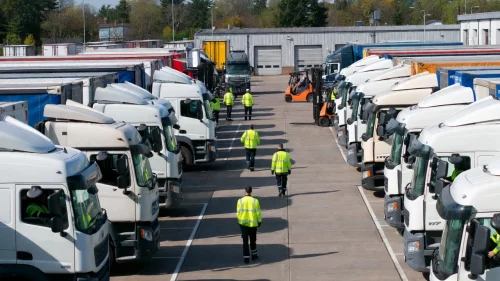 Yes, and it doesn’t appear to be going away any time soon. Since Brexit and the pandemic reshaped the logistics workforce, the UK has experienced a sustained shortage of qualified drivers. Even now in 2026, many logistics companies continue to advertise driver vacancies aggressively.
“Retention and recruitment are still major challenges,” a transport manager at a national haulier told me:
“We’re offering full training, sign-on bonuses, and fast-track licensing support just to fill routes. Drivers with good records and flexibility are extremely valuable right now.”
Government-backed schemes and employer-led training are helping, but the demand still outweighs supply, particularly for night shifts, weekend contracts, and long-haul positions.
Final Thoughts
As someone who’s spent time researching this industry closely, I can say that HGV driving remains one of the more accessible and well-paying trades in the UK.
If you’re willing to get qualified, commit to long or irregular hours, and consider higher-end or specialist roles, there’s strong earning potential. Whether you’re starting at £25,000 or aiming for £50,000+, this career still offers financial stability, especially with the demand holding steady into 2026.
FAQs About HGV Drivers Earning
What’s the difference between Class 1 and Class 2 HGV salaries?
Class 1 drivers operate articulated lorries and earn more due to longer routes and greater responsibility. Class 2 drivers use rigid vehicles and usually have local routes with lower pay.
How much do HGV drivers make in London compared to other areas?
In London, salaries are typically £5,000 – £10,000 higher than the national average due to demand and traffic challenges.
Do night shifts and weekend work pay more for lorry drivers?
Yes, night and weekend shifts can offer premiums of 20% to 50% above standard pay, plus overnight allowances.
Can part-time HGV drivers still earn a decent income?
Yes, many part-time or freelance drivers earn competitive hourly rates, often between £15 – £25/hour, depending on flexibility.
Is it worth getting additional certifications like ADR?
Definitely. ADR-certified drivers often earn £5,000+ more annually and have access to higher-paying niche roles.
How often do HGV driver salaries increase with experience?
Typically, pay rises happen every 1–2 years with more experience, especially if drivers move to Class 1 roles or gain specialist endorsements.
What are the tax and NI deductions from an HGV salary?
Standard deductions apply, including income tax and National Insurance. A driver earning £36,000 might take home around £2,300–£2,600 monthly, depending on tax code and pension contributions.