

























The vitamins and dietary supplements segment is one of the most dynamic in the field of online sales of pharmaceutical products.
The popularity of these products continues to grow due to increased attention to preventive healthcare, active lifestyles, and consumer awareness of nutritional support.
Marketplaces selling pharmaceutical products are becoming the main arena for competition for customer attention and traffic in this segment, as they offer a wide range of vitamins, minerals, specialised mixtures and nutraceutical solutions.
Among the numerous search engine queries, specific items are of high interest, for example, osteocare as one of the popular lines of supplements for bone health. This type of query often leads directly to product pages and comparisons of offers.
In this article, we will look at how pharmaceutical marketplaces compete for traffic in the vitamins and supplements category, what techniques they use to attract users, and why SEO, content marketing and UX strategies are crucial in this battle.
1. Competition for Key Search Queries
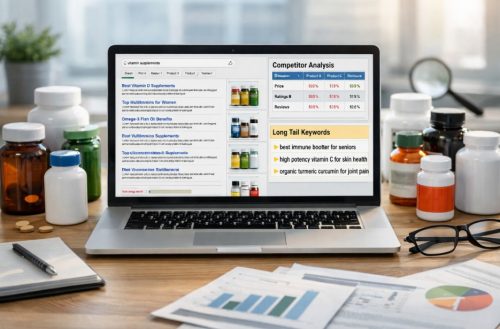
Pharmaceutical marketplaces are defined by how successfully they position themselves in search engines. Users are more likely to enter long-tail keywords, for example, ‘vitamin D3 for teenagers,’ ‘magnesium and calcium complex for stress,’ or ‘multi-component supplements for immunity.’
These long-tail keywords have a high conversion rate because they indicate the user’s specific intention to buy a product.
2. Content as a Strategic Tool for Attracting
Competition for traffic is not just about the list of products. Today, successful marketplaces invest in quality content that answers the questions of potential buyers.
This can include:
- informative blog posts about the benefits of vitamins
- series of comparisons of supplements
- educational articles about micronutrient deficiencies
- guides on choosing products for specific needs
Such content helps to rank for queries such as ‘how to choose a vitamin to strengthen the immune system’ or ‘how does a multivitamin complex differ from B-complexes’. It not only generates traffic but also increases user trust, which increases the chances of a purchase.
In addition, marketplaces use interactive tools such as surveys, quizzes, nutrient calculators, and more. This keeps users on the site longer and translates their interest into action.
3. The Role of Ratings and Reviews in Decision-making
 Customer reviews play an important role in the vitamins and supplements segment. When a person searches, for example, ‘which vitamins are best for pregnant women,’ they want not only a description but also reviews from real users.
Marketplaces optimise reviews so that they themselves become a source of traffic by adding key phrases and Q&A (question and answer) sections.
In addition, product ratings are displayed in search results, making marketplace pages more attractive than simple catalogues.
4. Visual and Technical Optimisation of UX/UI
Competition for traffic is also a battle to improve the user experience on the website. Today, marketplaces are not limited to text optimisation, they are working on page loading speed, mobile device adaptation, convenient product search filters, and a simple payment process.
This is important because even if a user is brought in by a good SEO query, poor UX quality can reduce conversion. Unlike highly specialised websites, large marketplaces have the resources to test different design options and offer the best solutions.
5. Advertising and Affiliate Programmes
 Another way to attract traffic is through paid advertising and affiliate programmes. Marketplaces buy space in search engines for popular keywords and also work with bloggers, medical portals, and fitness resources to place links.
This strengthens their position in search results and allows them to reach audiences who are not yet aware of a particular platform but are looking for answers to questions about health, nutrition or strengthening the immune system.
6. Competition Between Marketplaces and Brands
Interestingly, marketplaces sometimes compete not only with each other, but also with brands that sell directly.
Some large manufacturers choose their own online stores, but marketplaces still remain attractive to buyers because they allow them to compare a large number of products in one place.
Therefore, marketplaces are expanding their services, for example, adding consultations with nutritionists or integrating expert reviews to maintain a competitive advantage.
Conclusion
Competition for traffic in the vitamins and supplements segment is a complex and multi-layered battle. Pharmaceutical marketplaces use SEO optimisation, content marketing, UX/UI improvements, ratings and reviews, personalisation and advertising to attract users’ attention.
At the heart of this strategy is always the understanding that today’s shoppers don’t just want to buy a product, they want information, confidence and convenience.
Successful marketplaces skilfully combine all these elements, gaining trust and retaining traffic on their platforms.
It is this kind of complex competition that shapes the online pharmaceutical market and determines which platforms will become leaders in the vitamins and supplements segment in the future.