
























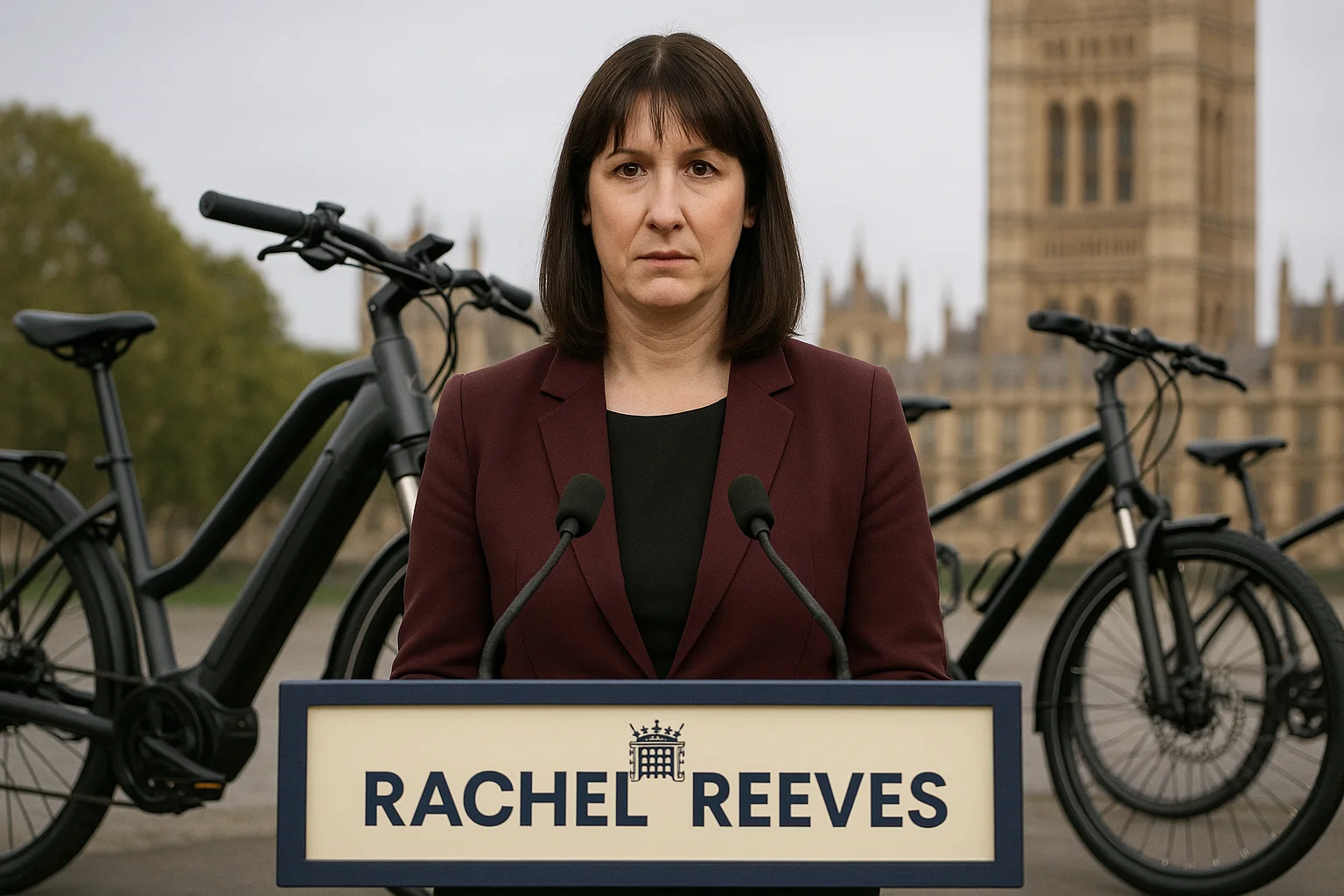
The UK’s Cycle to Work scheme has long supported greener commuting by offering tax incentives for employees purchasing bicycles.
However, recent reports suggest Chancellor Rachel Reeves is considering reforms aimed at curbing misuse by high earners acquiring high-end bikes.
With the Autumn Budget approaching, potential changes could reshape access to premium and electric models.
This article explores what these proposed adjustments mean for commuters, employers, and the future of sustainable transport initiatives across the United Kingdom.
What is the Cycle to Work Scheme and How Does It Currently Function?

The Cycle to Work scheme is a salary sacrifice programme launched in 1999 by the UK government. Its purpose is to promote environmentally friendly commuting by allowing employees to purchase bicycles and related equipment in a tax-efficient manner.
Employees can select a bike and accessories, which are technically owned by their employer.
The cost is then deducted monthly from their salary before tax and National Insurance contributions are calculated, reducing their overall tax bill. This model provides employees with savings of up to 42% on the cost of a new bicycle.
Originally, there was a £1,000 cap on purchases, which limited the choice of bikes available through the scheme.
In 2019, that cap was removed following feedback from users and industry professionals who felt the limit excluded more durable or suitable bikes for commuting purposes, particularly electric bikes.
The scheme is designed to be accessible to all UK employers and employees, though uptake varies depending on industry and income level.
In recent years, the removal of the cap has opened access to a broader range of bicycles, including high-performance models.
Why is Rachel Reeves Proposing Changes to the Cycle to Work Scheme?
Reports from the Financial Times indicate that Chancellor Rachel Reeves is exploring changes to the scheme due to concerns that it is being misused by high-income earners.
Rather than being used solely for commuting, there is evidence to suggest that some participants are using it to subsidise expensive bicycles for recreational use.
Concerns have centred on anecdotal reports of individuals purchasing bicycles worth £4,000 or more, including high-end electric bikes, which are then used for leisure cycling rather than work commutes.
A particular example raised involves affluent cyclists in areas like the Surrey Hills using the scheme to save on luxury cycling equipment.
According to insiders, Reeves is looking for ways to redirect the scheme so that it benefits everyday commuters rather than serving as a tax loophole for wealthier individuals.
This scrutiny is happening within the broader context of government efforts to reduce public spending and tighten tax efficiency.
With a significant budget shortfall to address, the Treasury is reviewing various government-backed programmes to ensure they are delivering value.
How Will the New Cycle to Work Limits Affect Premium and Electric Bikes?
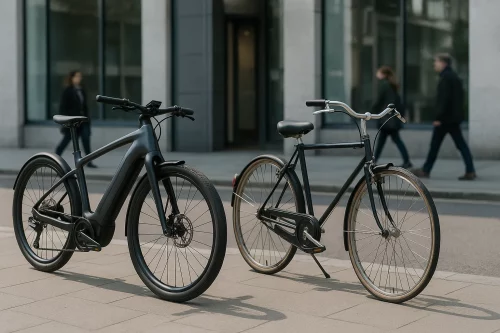
If a new cap is introduced, the range of bicycles eligible under the scheme would likely be restricted.
This change would have the greatest effect on commuters interested in electric bikes and other high-end models that offer improved performance or additional features for challenging commutes.
Electric bikes, for instance, are commonly used by people with long or hilly routes to work, as well as those with physical conditions that make traditional cycling difficult.
These models often cost between £1,500 and £5,000, putting them at risk of exclusion if a cap is reinstated.
Bike shop owners and cycling advocates have expressed concern about the potential impact on sustainable transport adoption.
Will Pearson of Pearson Cycles noted that consistent cycling habits are often linked to bike quality.
If consumers are restricted to lower-cost, potentially less reliable models, they may be less likely to continue using bicycles for their daily commutes.
Potential Impact of Spending Cap on Bike Categories
| Bike Type | Average Price Range | Likely Eligibility (Post-Cap) | Purpose |
| Standard commuter bike | £300 – £800 | Likely Eligible | Short-distance commuting |
| Mid-range hybrid bike | £800 – £1,500 | Possibly Eligible | Versatile use for commute and leisure |
| Electric bike | £1,500 – £5,000 | At Risk | Long or difficult commutes, physical support |
| Premium road bike | £2,000 – £6,000+ | Unlikely | Performance or recreational cycling |
What Are the Government’s Concerns About Green Transport Subsidies?
The UK government is currently managing a significant financial challenge, with a reported £30 billion gap in the public budget.
In this context, tax relief programmes like Cycle to Work are being re-evaluated to ensure cost-effectiveness.
The scheme cost the Treasury an estimated £130 million during the 2024–25 period. While this is a relatively small figure in terms of national expenditure, it has come under review as part of a broader reassessment of government subsidies.
Officials are particularly focused on ensuring these subsidies reach those most in need. Critics argue that without a cap or income-based restriction, the Cycle to Work scheme risks becoming a means for higher earners to gain tax advantages on luxury goods.
This concern is not limited to cycling incentives. Other proposals under discussion include introducing stricter rules on pension contributions and other employer-supported benefits.
The aim is to prioritise policies that directly support the working population, reduce inequality, and encourage practical behavioural change.
Who Will Be Most Affected by These Proposed Changes?
If restrictions are imposed on the types or value of bicycles eligible under the scheme, the impact will vary depending on the user group.
Employees in lower to middle-income brackets who have not taken advantage of the scheme due to affordability issues may not be heavily affected. In fact, if the scheme is refocused to support more affordable commuting options, they could benefit.
However, those who rely on electric bikes or premium models for genuine commuting needs may face challenges. This includes:
- Individuals with long commutes who require speed and reliability
- People with physical limitations or disabilities who rely on electric assistance
- Cyclists in hilly or rural regions with poor transport connections
Meanwhile, high-income users who have historically used the scheme to subsidise leisure cycling may no longer qualify for the same level of benefit. This appears to be one of the primary goals of the proposed reforms.
Could a Cap on Cycle to Work Scheme Spending Harm Green Commuting Efforts?

The Cycle to Work scheme has been a cornerstone of the UK’s strategy to promote active travel and reduce carbon emissions from transport. Limiting access to better bikes could slow the growth of cycling as a mainstream commuting option.
One concern raised by the cycling industry is that a lower cap could drive people towards cheaper, less durable bikes, which may not perform well for daily use. This can lead to lower adoption rates or quicker abandonment of cycling as a commuting choice.
Supporters of the scheme argue that increasing access to reliable, high-quality bikes is essential to sustaining long-term behavioural change. Without proper investment in the tools that enable cycling, the government’s climate targets could be undermined.
Cycling Benefits vs. Potential Cap Risks
| Cycling Benefit | How It’s Supported by Current Scheme | Risk If Spending Cap Introduced |
| Increased adoption of cycling | Wide access to suitable bikes | Reduced participation due to limited options |
| Improved commuter health | Encourages active lifestyle | Less consistent usage of lower-quality bikes |
| Lower emissions and congestion | E-bikes support longer commutes | Commuters may revert to cars or public transport |
| Enhanced transport accessibility | Makes cycling viable for many | Limited support for those with specific needs |
What Alternatives or Improvements Are Being Suggested for the Scheme?
Rather than cutting back the scheme entirely or imposing a blanket spending cap, several alternative proposals have been suggested by industry experts and environmental advocates.
One such suggestion is to introduce a tiered cap based on income levels. Under this model, lower-income earners could have access to a higher subsidy limit, while caps would be applied more strictly to higher earners. This would help ensure the scheme benefits those who need it most.
Another idea is to develop clearer guidelines on the use of bikes purchased through the scheme. By enforcing a commuting-only requirement, it may be possible to reduce misuse without restricting access to quality bikes.
Some stakeholders have also proposed expanding the scheme’s scope to cover maintenance, training, or additional equipment. This would improve long-term adoption while keeping costs reasonable.
Key improvement suggestions include:
- Income-based thresholds for eligibility
- Enhanced monitoring of bike use and purpose
- Continued support for e-bikes used for genuine commuting
- Expansion to cover accessories and safety gear
These changes could allow the scheme to evolve without losing its core purpose: supporting green, accessible, and cost-effective commuting.
What Is the Timeline for the Potential Changes and What Should Commuters Expect?
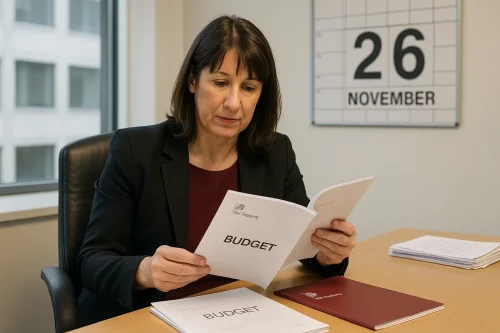
The proposed changes to the Cycle to Work scheme are expected to be addressed in the upcoming Autumn Budget, scheduled for 26 November 2025.
While the Treasury has not officially confirmed any specific reforms, multiple sources have indicated that the scheme is under active review.
In the lead-up to the Budget announcement, employers and scheme providers are monitoring developments closely.
If a cap or eligibility change is introduced, it will likely take effect in the next financial year, giving current applicants a window of opportunity to secure bikes under the existing rules.
Employees who are considering purchasing a higher-value bike through the scheme may wish to proceed sooner rather than later.
Retailers have already reported an increase in enquiries from customers who want to act before the potential deadline.
While no changes are guaranteed until the Chancellor delivers the Budget, the direction of discussion suggests that some form of reform is likely.
Stakeholders across the cycling industry, government, and environmental sector will continue to lobby for a balanced outcome that supports both fiscal responsibility and sustainable transport growth.
Conclusion
Rachel Reeves’ proposal to reform the Cycle to Work scheme reflects a broader attempt to ensure government subsidies are equitably distributed and fiscally justified.
While concerns about misuse by higher earners are valid, the risk of undermining green commuting efforts cannot be ignored.
As the UK continues to push towards its net-zero goals, access to affordable and reliable cycling options remains essential.
Any changes to the scheme must carefully balance economic responsibility with environmental priorities, ensuring that the benefits of sustainable transport remain accessible to all who need them.
FAQs on Rachel Reeves’ Cycle to Work Scheme Changes
What is the purpose of the Cycle to Work scheme?
The scheme aims to promote healthier, more sustainable commuting by allowing employees to buy bikes and accessories through salary sacrifice, providing tax benefits and reducing environmental impact.
Why might premium bikes be excluded under the new reforms?
Reports suggest that high earners are using the scheme to purchase luxury bikes for leisure rather than commuting, leading to potential caps to refocus the benefit on everyday workers.
How will electric bike users be affected?
If premium or high-cost bikes are excluded, many electric bike models may become ineligible, affecting commuters who rely on them for longer or more challenging journeys.
When will the Cycle to Work scheme changes be announced?
The changes are expected to be addressed in the Autumn Budget on 26 November 2025. Until then, no official changes have been confirmed by the Treasury.
Are there any alternatives being considered to a cap?
Some suggest introducing tiered income-based caps or enhancing incentives for lower-income workers while maintaining access for those who need quality bikes for daily commutes.
Will this affect employers participating in the scheme?
Employers may need to adjust internal policies or leasing agreements based on new limits, but any changes would likely include a transition period.
Can I still apply for the scheme now?
Yes, the scheme remains unchanged for now. If you’re considering purchasing a premium or electric bike, it may be wise to act before the budget announcement.