
























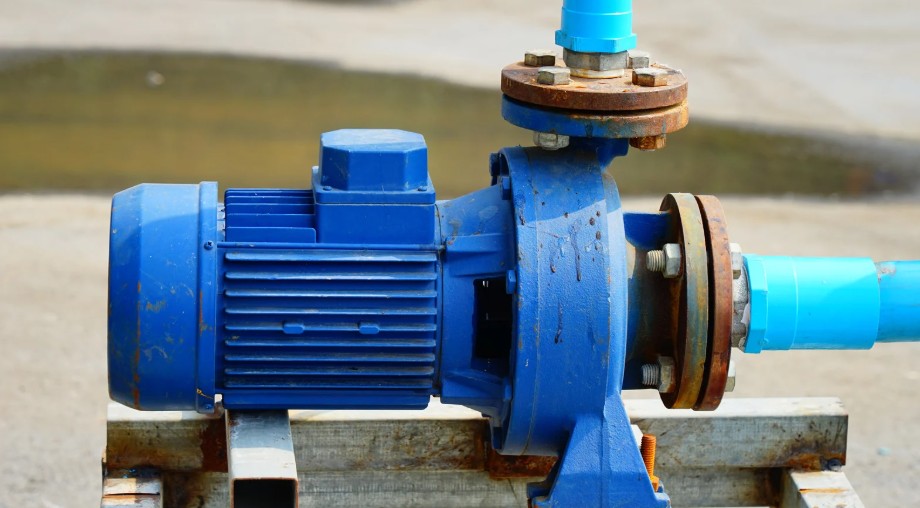
Water pumps play an important role in both agriculture and at home. Selecting the right pump ensures you work with an efficient, lasting system.
This article explores various types of water pumps to help you find the right one for your needs.
Understanding Water Pump Types
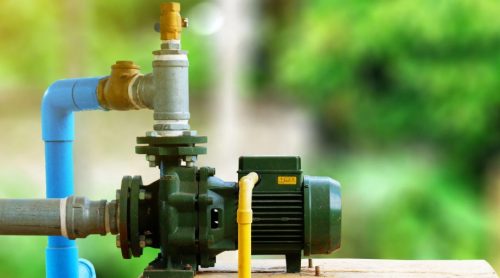
There are many types of water pumps, each designed for a specific job. Familiarising yourself with them will help you select an appropriate option.
Centrifugal Pumps
Centrifugal pumps, known for their efficiency and versatility, are popular in various industries. These devices work by transforming rotational energy into a fluid flow.
These pumps are used to transfer water quickly in agriculture. Many people prefer them for their simplicity and ease of maintenance.
Submersible Pumps
Submersible pumps are highly efficient and designed to work underwater. They are mainly utilised for deep well or submersible applications.
Their sealed design prevents water from getting in, and their robust construction means good performance and good durability. Both reliable and effective, submersible pumps work for irrigation or draining flooded areas.
Booster Pumps
Booster pumps solve the dilemma for people who need more water pressure. They improve flow in low-pressure systems.
They are often used to ensure other water sources in high-rise buildings or houses where water pressure is low, and they ensure a steady supply. They are compact and can provide constant pressure, which is why they are widely used.
Diaphragm Pumps
Diaphragm pumps are known for handling viscous liquids. Used when a gentle action is required, these pumps are most often employed in agricultural and chemical industries.
What separates them from other options is that they can move liquids with solid contents without clogging. Apart from that, they are also reliable and have low maintenance requirements.
Key Features to Consider
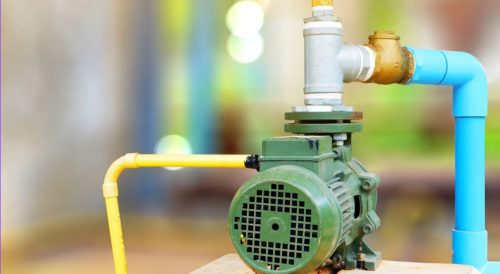
There are some specific features that need to be considered while selecting a water pump.
Power Source
Electric, gas, and solar power can be used to run water pumps. Electric pumps are most common in residential settings. Gas-powered pumps are ideal for remote locations where electric power is not available.
Solar pumps are an environmentally friendly option because they use a renewable energy source. Choosing the right power source depends on the location and resources available.
Capacity and Flow Rate
Capacity and flow rate define how much water the pump can move. This is important for applications that need to transfer a large volume of water.
Calculating your flow requirements will ensure the pump can handle the task. An overloaded pump is more likely to wear out faster and have a shortened life span.
Material and Durability
The material of a pump affects its longevity and environmental suitability. Stainless steel and cast iron are common materials because of their resistance to corrosion.
Pumps made of specialised materials are required to handle harsh substances in chemical applications. The pump you select depends on the environment and the type of liquids.
Maintenance and Longevity
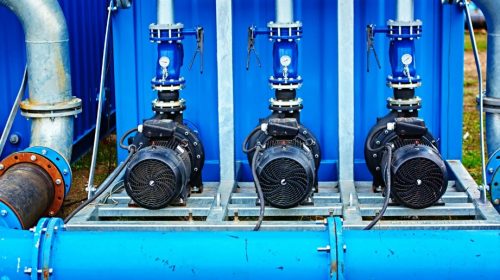
A little maintenance keeps a water pump in good condition for a long time. Regular checks and servicing prevent unexpected breakdowns and expensive repairs.
Routine Inspections
Regular inspections help identify issues before they become real problems. Checking for and addressing leaks, unusual noises, and wear can save you time and money.
Cleaning and Lubrication
A pump should be cleaned and lubricated regularly to ensure smooth operation. Cleaning away dirt and debris and ensuring moving parts are oiled minimises friction and wear. This is important for pumps in harsher environments.
Professional Servicing
You can perform a few tasks within the scope of routine maintenance yourself. However, professional servicing is recommended periodically.
They can perform detailed checks and address problems that may not be apparent to you. Professional maintenance increases the pump’s longevity and reliability.
Conclusion
By understanding your requirements and available options, you can select the best water pump for your needs.
From centrifugal to submersible pumps, each type has its distinct advantages. Assess key aspects, such as power source, capacity, and material, to make an informed decision.
Routine maintenance keeps these pumps efficient and reliable. With many reliable options, finding the best pump is a straightforward task.