
























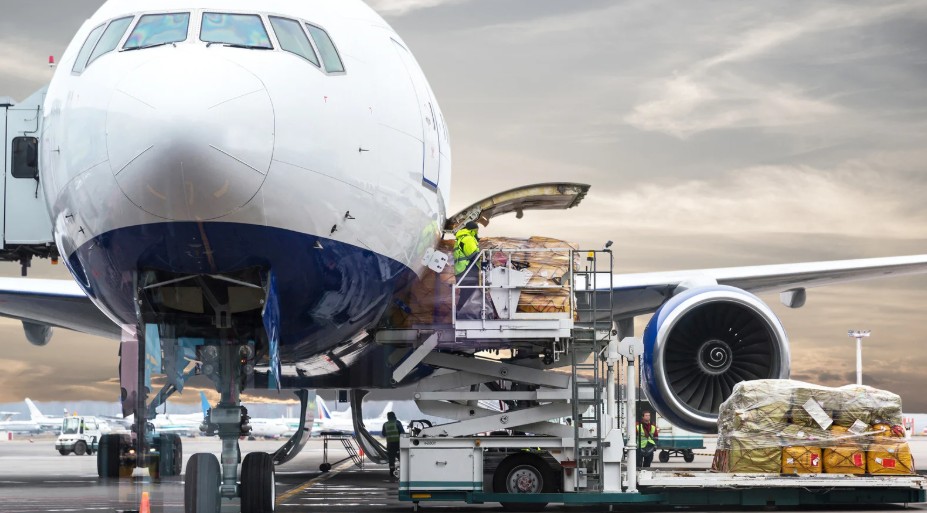
The global air cargo network is a marvel of modern logistics, which is a complex and high-speed system that moves billions of tons of goods across continents daily.
From critical pharmaceuticals and high-value electronics to perishable foods and essential spare parts, the integrity of this supply chain is paramount.
At the heart of maintaining this integrity lies a seemingly simple yet profoundly critical component. It’s the tamper-proof security seal.
The consequences of a compromised air shipment are severe, ranging from multimillion-dollar financial losses to catastrophic safety and security breaches.
Read on to learn why tamper-proof security seals matter in air cargo security.
The Threat Landscape in Air Cargo
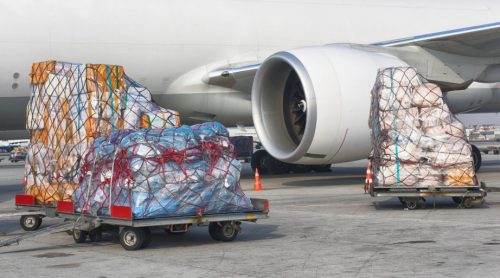
The air cargo environment is uniquely vulnerable. Goods move rapidly through multiple handlers and transit points, including freight forwarders, ground crews, warehouse personnel, and customs officials.
This high-velocity, multi-party handling can create numerous opportunities for malicious intervention. The primary threats include:
- Cargo Theft: High-value items such as electronics, jewelry, and pharmaceuticals are prime targets for theft. A breached security container can be quickly pilfered, with goods often disappearing without a trace, leading to direct financial loss and insurance complications.
- Contraband and Smuggling: Seals that are easily defeated can be used to introduce illegal goods, weapons, or narcotics into a legitimate shipment. This doesn’t implicate the innocent shipper but poses a significant national security risk.
- Tampering and Sabotage: Sensitive equipment, proprietary technology, or critical documents can be altered, copied, or damaged. In the worst-case scenario, tampering could involve introducing hazardous materials, threatening the safety of aircraft, crew, and the public.
- Supply Chain Fraud: Without robust seals, it’s difficult to refute false claims of loss or damage, leading to fraudulent insurance claims and disputes that damage business relationships.
A tamper-proof seal can act as a powerful deterrent to these activities. Its presence can signal that any interference will be detected, discouraging potential perpetrators.
By applying high-quality aviation seals, air cargo companies can provide a visible and auditable record of custody that satisfies stringent international regulations.
The Anatomy of a Tamper-Proof Security Seal
Not all seals or security tags are created equal. A true tamper-proof seal is engineered to provide irrefutable evidence of unauthorised access. Some key characteristics that define their effectiveness include:
Unique Identification
Each seal is marked with a unique, sequential serial number. This number is recorded at the point of application on the shipping manifest, creating a definitive link between the seal and the specific shipment.
Tamper-Evident Security Features
These are physical characteristics that are permanently altered or destroyed upon removal. This can include brittle plastic bodies that shatter, frangible metal cables that can’t be rethreaded, or special locking mechanisms that are impossible to reopen without breaking.
Material Strength
Seals are constructed from durable materials such as hardened steel, robust plastics, or specially treated metals that resist cutting, crushing, or other forceful attacks without showing clear signs of damage.
Audit Trail
The unique serial number facilitates a clear chain of custody. At each transfer point, the seal number can be verified against documentation, creating an auditable trail that pinpoints exactly where and when tampering occurred.
Compliance and Regulatory Imperatives
Using security seals in air cargo is a stringent legal and regulatory mandate, not just a recommendation. Driven by global security imperatives, government authorities enforce strict protocols.
These regulations universally require certified tamper-evident seals on all Unit Load Devices (ULDs) and containers to prevent unauthorized access, ensuring supply chain integrity and compliance across international borders.
Compliance with these regulations is also critical for market access. Failure to use approved seals can result in shipments being rejected, held at customs for extensive and costly inspections, or even lead to significant fines and penalties.
Furthermore, it can help protect carriers and shippers from liability by demonstrating due diligence in securing the supply chain.
Economic and Reputational Consequences
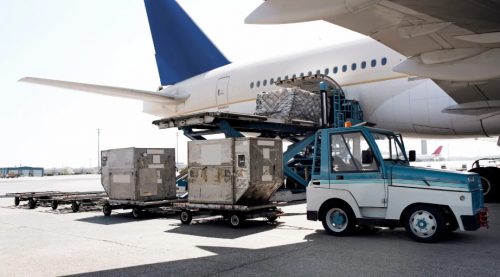
Beyond regulatory compliance, the economic incentive for using tamper-proof seals is compelling.
The direct cost of a stolen or tampered-with shipment is obvious. However, the indirect costs are typically far more damaging.
These include increased insurance premiums, loss of customer trust, and long-term reputational harm.
A company that consistently suffers security breaches is seen as an unreliable partner. In today’s interconnected world, news of a significant theft or security incident can spread rapidly, potentially alienating existing clients and deterring new business.
Conversely, a demonstrably secure supply chain can become a competitive advantage, assuring customers that their goods are safe.
Conclusion
In the air cargo world, security can’t be an afterthought. Tamper-proof seals are a fundamental, non-negotiable security solution that underpins the entire system’s integrity.
They can provide a critical layer of protection against various threats, ensure compliance with international regulations, and protect all stakeholders’ financial and reputational interests.
As the air cargo industry continues to grow and evolve, the reliance on these sophisticated devices will intensify, solidifying their role as an indispensable tool in the global movement of goods.
By considering the information mentioned above, air cargo companies can invest in security, trust, and operational excellence.



