

























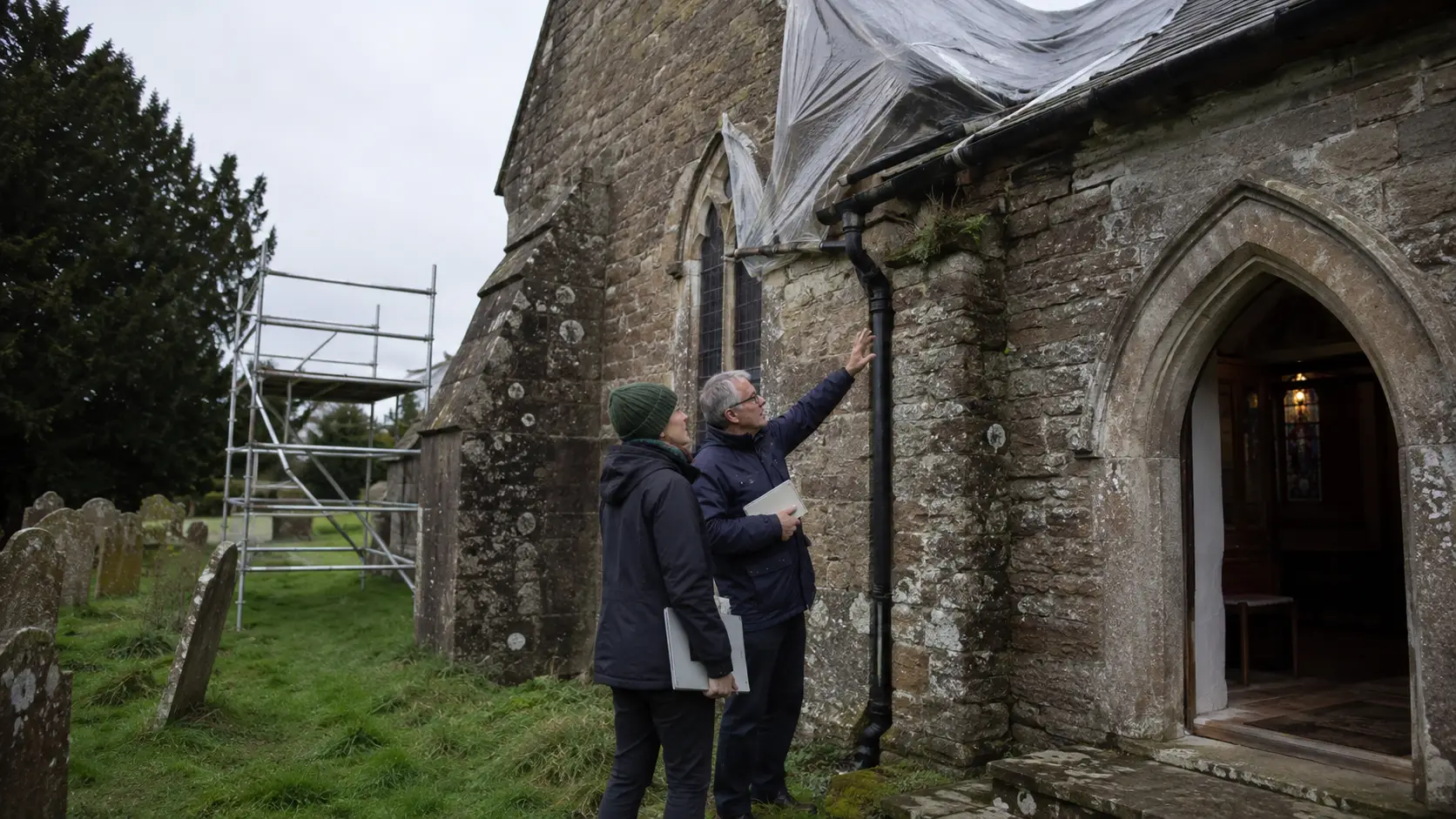
The Listed Places of Worship Grant Scheme (LPWGS) closed on 31 March 2026 and is no longer accepting applications.
All decisions relating to its final £23 million budget for 2025/26 have been completed, and the government has confirmed there will be no further LPWGS funding rounds.
For listed places of worship in England, the main replacement is the Places of Worship Renewal Fund (PWRF). The new scheme provides competitive capital grants of between £10,000 and £1 million for urgent repairs and essential improvements.
A total of £92 million has been allocated over four years, with £23 million available per year. Unlike the former LPWGS, the new scheme does not operate primarily as a VAT refund programme.
Last Updated: 24.08.2026
What Replaced The Listed Places Of Worship Grant Scheme In 2026?
The closure of the LPWGS marked a significant change in government support for historic religious buildings.
In England, it has been replaced by the Places of Worship Renewal Fund, which was announced in January 2026 and is funded by the Department for Culture, Media and Sport.
Historic England is responsible for delivering the new fund. Its purpose is to support listed places of worship that need urgent repairs or essential improvements to remain safe, accessible and available for public use.
The key difference is that LPWGS reimbursed eligible VAT after work had been completed and paid for. PWRF instead provides competitive capital grants towards qualifying projects.
Applicants can check the detailed eligibility requirements through the official Places of Worship Renewal Fund guidance from Historic England before preparing a proposal.
What Changes And Updates Happened Between 2025 And 2026?
The transition from 2025 to 2026 changed both the amount organisations could seek and the way government assistance is awarded.
| Area | 2025/26 LPWGS | 2026 PWRF |
| Scheme Type | VAT reimbursement | Competitive capital grant |
| Coverage | United Kingdom | England only |
| Final Annual Budget | £23 million | £23 million per year |
| Overall New Funding | Not applicable | £92 million over four years |
| Maximum Support | £25,000 annual LPWGS cap | Up to £1 million |
| Application Method | VAT claim after eligible expenditure | Expression of Interest followed by full application |
| VAT Treatment | Eligible VAT reimbursement | Non-recoverable VAT may form part of eligible costs |
| Main Purpose | Offset VAT on repairs | Fund urgent repairs and essential improvements |
The £25,000 cap introduced for the final LPWGS year therefore should not be treated as a current 2026 funding limit.
Instead, the new programme has three grant streams, allowing considerably larger projects to compete for government support.
Why Did The Listed Places Of Worship Grant Scheme Close?
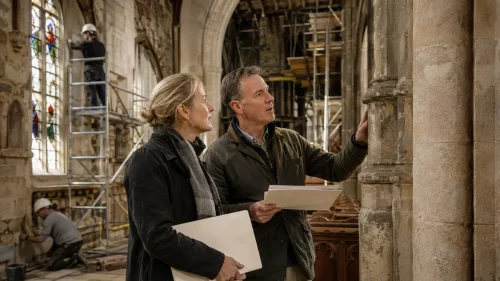 The Listed Places of Worship Grant Scheme operated for many years as a way of reducing the VAT burden associated with maintaining historic religious buildings.
For its final 2025/26 financial year, the government allocated £23 million to the programme and introduced a £25,000 annual cap per place of worship.
The scheme officially closed on 31 March 2026.
The Department for Culture, Media and Sport subsequently confirmed that all award decisions within the final £23 million allocation had been finalised and that there would be no additional LPWGS funding rounds.
The closure is confirmed through the official UK Government LPWGS closure guidance.
What Is The Places Of Worship Renewal Fund?
The Places of Worship Renewal Fund is a four-year capital funding programme intended to protect England’s listed places of worship.
It supports projects that help buildings remain safe, open and useful to their communities.
The fund has several important objectives:
- Protect Historic Buildings by supporting necessary repairs and conservation work
- Keep Places Open so historic places of worship can continue serving communities
- Address Urgent Repairs before defects become more serious and expensive
- Support Community Use by prioritising projects that provide wider public benefit
- Improve Long-Term Resilience through appropriate alterations and essential improvements
The fund is competitive, which means meeting the eligibility requirements does not automatically guarantee financial support.
Who Can Apply For The Places Of Worship Renewal Fund?
Any listed place of worship in England can potentially apply regardless of its religion, faith or denomination.
However, the building must satisfy specific conditions.
Applicants generally need to demonstrate that the property:
- Is Located In England
- Is Listed At Grade I, Grade II Or Grade II*
- Remains An Active Place Of Worship
- Is Dedicated To Worship Rather Than Fully Converted To Another Use
- Requires Necessary And Deliverable Works
- Meets The Priorities And Objectives Of The Fund
Historic England defines an active place of worship for this programme as one used for worship at least six times per year.
Unlisted buildings are not eligible for PWRF, even if they are located within conservation areas or have local heritage significance.
What Repairs And Improvements Can The New Fund Support?
The programme primarily supports capital works required to protect and maintain listed places of worship.
Eligible projects can include:
- Urgent Roof Repairs
- Masonry And Stonework Repairs
- Timber Repairs
- Drainage And Rainwater Improvements
- Professional Fees Connected To Eligible Works
- Condition Surveys And Technical Investigations
- Minor Repairs Under The Small Grant Stream
- Essential Heating Improvements As Part Of Larger Repair Projects
- Electrical Upgrades As Part Of Eligible Capital Works
- Toilet And Accessibility Improvements Where They Support A Larger Repair Project
- Step-Free Access Where It Forms Part Of Wider Eligible Works
- Project Development Associated With Capital Repairs
- Non-Recoverable VAT On Eligible Costs
Historic England specifically states that routine maintenance such as clearing gutters, normal running costs and standalone improvement projects are not funded.
Projects costing less than £10,000 are also outside the main funding programme.
How Much Funding Is Available Under The Places Of Worship Renewal Fund?
The government has allocated £92 million over four years to the Places of Worship Renewal Fund.
This works out at approximately £23 million per year and represents a longer-term commitment to supporting listed religious buildings in England.
Individual awards can range from £10,000 to £1 million.
However, applications compete against other eligible projects. Funding priorities include:
- Urgency Of Repair
- Risk Of Heritage Loss
- Financial Need
- Community Benefit
- Project Deliverability
- Value For Money
- Local Levels Of Deprivation And Need
Historic England says projects in areas with greater levels of deprivation and community need will receive priority, alongside projects where repair needs are particularly urgent.
What Are The Small, Medium And Large Grant Limits?
The funding has been divided into three streams to accommodate different project sizes.
Small Grants
Awards range from £10,000 to £50,000.
This stream can support smaller capital projects and allows qualifying minor repairs to be funded independently.
Medium Grants
Awards range from £50,001 to £350,000.
These grants are intended for more substantial repair projects that require larger levels of investment.
Large Grants
Awards range from £350,001 to £1 million.
Large grants are designed for significant capital repair programmes involving listed places of worship with substantial conservation requirements.
Applicants do not automatically receive the maximum amount within a stream. Each project is assessed against the fund’s eligibility requirements, priorities and available budget.
How Does The 2026 Funding System Differ From The 2025 LPWGS?
The change is more significant than simply replacing one funding scheme with another.
Under the former LPWGS, eligible organisations generally paid contractors and suppliers, then submitted claims to recover qualifying VAT costs.
The new PWRF is a forward-looking capital grant programme.
This means applicants would normally seek funding before starting the proposed work.
The new system also places greater emphasis on demonstrating:
- Why Repairs Are Urgent
- Why Grant Support Is Financially Necessary
- How The Project Will Protect The Historic Building
- Whether The Project Can Be Successfully Delivered
- How The Wider Community Will Benefit
- Whether The Proposal Represents Value For Money
Another important difference is geographical coverage. LPWGS supported qualifying listed places of worship throughout the UK, while PWRF applies only in England.
How Can Places Of Worship Apply For Funding In 2026?
 This first stage allows Historic England to determine whether a project is sufficiently developed and meets the programme’s priorities.
The process broadly follows these stages:
- Check Eligibility to confirm that the building and proposed works meet the fund requirements
- Develop The Project by identifying repair needs, costs and expected outcomes
- Submit An Expression Of Interest during an available application window
- Wait For Assessment by Historic England
- Submit A Full Application if invited following the EOI assessment
- Complete Further Assessment before a final funding decision is made
- Sign A Grant Agreement if the project receives an award
An invitation to submit a full application does not guarantee that a grant will ultimately be awarded.
What Documents And Evidence Are Needed For An Application?
The exact documentation required can depend on the size and nature of the project.
Applicants should nevertheless prepare reliable evidence before submitting an Expression of Interest or full application.
Useful supporting information may include:
- Building Listing Details
- Condition Surveys
- Quinquennial Inspection Reports Where Relevant
- Photographs Showing Defects Or Damage
- Professional Assessments
- Project Cost Estimates
- Proposed Work Specifications
- Financial Information
- Evidence Of Community Use
- Expected Project Timetable
- Details Of Other Funding Sources
- Required Heritage Or Denominational Permissions
Projects should be sufficiently developed for Historic England to understand why the work is necessary and whether it can realistically be delivered.
What Are The 2026 Application Dates And Deadlines?
Historic England expects to accept Expressions of Interest in two funding rounds per year during the first three years of the programme, followed by one round in year four.
The first 2026 Expression of Interest window closed on 14 June 2026.
For the second 2026 round, Historic England currently lists:
- Opening Date: 4 September 2026
- Expression Of Interest Deadline: 2 October 2026 at 5pm
- Invitation Decision: By 26 October 2026
- Full Application Deadline For Invited Projects: 18 November 2026 at 5pm
Applications received outside the relevant EOI window are not normally accepted and applicants would need to apply in a later round.
Can Non-Recoverable VAT Be Included In A Funding Application?
Yes, but the process is different from the former LPWGS.
The Places of Worship Renewal Fund does not specifically reimburse VAT.
Instead, VAT relating to eligible project works and costs may be included in a grant application when that VAT cannot otherwise be reclaimed.
This means organisations should identify whether they can recover VAT from another source before calculating the amount included within their PWRF project costs.
What Transitional Support Is Available For Projects Already Underway?
PWRF is generally designed to finance future capital works rather than retrospectively reimburse completed projects.
However, a limited transitional arrangement is available during the first year.
Stream 1 support of between £10,000 and £50,000 can be available for qualifying projects that lost anticipated match funding.
Projects covered by this exceptional provision must generally:
- Have Started On Or After 1 October 2025
- Have Completed Or Be Due For Completion By 30 September 2026
- Meet The Other PWRF Eligibility Requirements
- Not Have Received LPWGS Funding For The Same Works Or Costs
- Have Lost Anticipated Match Funding
Eligible applications under this special transitional arrangement can be submitted until 31 December 2026.
Historic England also states that priority will be given to qualifying projects that did not receive LPWGS funding.
What Other Funding Options Are Available For Historic Places Of Worship?
PWRF is not the only possible source of financial support.
The National Lottery Heritage Fund continues to support places of worship throughout the UK through National Lottery Heritage Grants.
Unlike PWRF, which applies only to England, National Lottery funding can potentially support eligible places of worship across England, Scotland, Wales and Northern Ireland.
Its wider heritage grant programme currently offers grants from £10,000 to £10 million, depending on the project and eligibility requirements.
Places of worship can explore current opportunities through the National Lottery Heritage Fund places of worship guidance.
Other funding may also be available through denominational bodies, charitable foundations and national heritage organisations.
Applicants should make sure that different grants are paying for clearly defined eligible costs and that the same expenditure is not funded twice.
What Should Places Of Worship Do Before Applying?
Preparation is particularly important because the new fund is competitive.
Before submitting an EOI, organisations should:
- Confirm The Building Is Listed
- Check That Worship Takes Place At Least Six Times Per Year
- Identify The Most Urgent Repair Needs
- Obtain Up-To-Date Surveys Where Appropriate
- Develop Reliable Cost Estimates
- Check Whether Permissions Will Be Required
- Explain Why The Organisation Cannot Fully Fund The Work Itself
- Demonstrate Wider Community Benefits
- Prepare A Realistic Delivery Timetable
- Check The Current Application Window
- Review Procurement Requirements Before Appointing Contractors
Applicants should also avoid starting work prematurely unless they clearly fall within the limited first-year transitional arrangements.
Historic England states that successful recipients will normally need to comply with grant conditions covering issues such as procurement, future maintenance and public access.
What Are The Future Plans For Places Of Worship Funding Through 2030?
The Places of Worship Renewal Fund is designed as a four-year programme with government funding totalling £92 million.
The GOV.UK grant listing currently gives the overall programme period as running to 31 March 2030.
Historic England expects:
- Two EOI Rounds Per Year In Years One To Three
- One EOI Round In Year Four
- Continued Priority For Urgent Repairs
- Greater Focus On Areas With High Levels Of Need
- Support For Projects With Strong Community Benefits
- Continued Competitive Assessment Of Applications
The programme therefore provides a longer funding horizon than the final annual LPWGS arrangement, but future applicants will still need to compete for the available budget.
Places of worship considering substantial repairs over the coming years should begin developing projects early rather than waiting until an application window opens.
Conclusion
The closure of the Listed Places of Worship Grant Scheme on 31 March 2026 brought the former VAT-reimbursement model to an end.
For listed places of worship in England, the Places of Worship Renewal Fund now provides the main dedicated government route for this type of capital support, with £92 million allocated over four years and individual grants ranging from £10,000 to £1 million.
The new system offers the potential for significantly larger awards, but funding is competitive.
Applicants must demonstrate genuine repair needs, financial need, project deliverability and benefits for the communities their buildings serve.
Places of worship planning repairs should therefore check their eligibility, develop reliable project evidence and monitor future Historic England application rounds well before work begins.
Frequently Asked Questions
Is The Listed Places Of Worship Grant Scheme Still Open?
No. The LPWGS officially closed on 31 March 2026, and the government has confirmed there will be no further funding rounds.
What Replaced The Listed Places Of Worship Grant Scheme?
In England, the Places of Worship Renewal Fund has become the main dedicated replacement, providing competitive capital grants for urgent repairs and essential improvements.
Who Can Apply For The Places Of Worship Renewal Fund?
Listed Grade I, Grade II* and Grade II active places of worship in England can apply, provided they meet the programme’s other eligibility requirements.
How Much Funding Can A Place Of Worship Receive?
Awards range from £10,000 to £1 million, divided between small, medium and large grant streams.
Does The New Fund Cover VAT?
It does not operate as a VAT rebate scheme. However, non-recoverable VAT relating to eligible works can be included within eligible project costs.
When Is The Next Application Round In 2026?
Historic England lists the second 2026 EOI window as opening on 4 September 2026 and closing at 5pm on 2 October 2026.
Is The Places Of Worship Renewal Fund Available Across The UK?
No. PWRF applies only to England. Places of worship elsewhere in the UK should consider their national heritage bodies and UK-wide funding programmes such as the National Lottery Heritage Fund.



