

























Singapore’s iconic hawker centers create unexpected connections to forex markets through complex financial networks supporting thousands of small food businesses.
Cash flow management, supplier payments to Malaysia and Thailand, equipment imports from China expose hawker operators to currency fluctuations. Many don’t fully understand these exposures though.
Daily hawker operations involve cash collection, ingredient sourcing, equipment maintenance crossing multiple currencies and payment systems.
Many successful hawker entrepreneurs eventually discover forex trading as they develop financial sophistication from managing food businesses.
Forex trading Singapore benefits from this grassroots business experience hawker operators apply practical money management skills to currency speculation.
How Hawker Center Culture and Small Business Finance Integration with Singapore Forex Markets?
Cash Flow and Currency Management
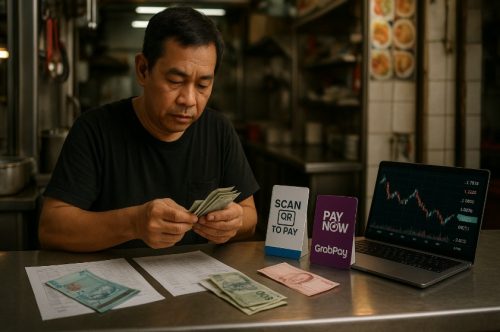
Hawker stalls operating on thin margins? Develop acute awareness of daily cash flow patterns. Translates well to forex position management and risk control.
Suppliers from Malaysia and Thailand often require payment in local currencies. Forces hawker operators to navigate exchange rates and timing for optimal purchasing power.
Weekend market visits to Johor Bahru expose operators to SGD/MYR exchange rate fluctuations affecting ingredient costs and profit margins.
Currency exchange for supplier payments introduces basic forex concepts. Some hawker entrepreneurs expand into active trading strategies.
Equipment Import and Capital Expenditure
Commercial kitchen equipment imports from China require operators to manage SGD/CNY exchange rate timing for major purchases.
Specialized cooking equipment from specific countries creates ongoing foreign exchange exposure as operators maintain and upgrade facilities.
Group purchasing cooperatives among hawker associations sometimes coordinate bulk imports. Develops collective expertise in currency timing and hedging strategies.
Equipment financing often involves foreign currency considerations when suppliers offer payment plans denominated in their home currencies.
Technology Adoption in Food Service
Digital payment systems like GrabPay and PayNow introduce hawker operators to fintech innovations extending to forex trading platforms and mobile currency trading.
QR code payment systems provide transaction data helping operators understand cash flow patterns applicable to forex money management. Food delivery app integration requires managing multiple payment streams and currency conversion features.
Many tech-savvy hawker operators eventually explore international trading platforms, including understanding advanced patterns like quasimodo pattern, to diversify financial management skills beyond food businesses.
Point-of-sale systems with inventory management help operators develop analytical skills applicable to forex market analysis and position tracking.
Hawker Business and Forex Correlation
| Hawker Category | Business Complexity | Currency Exposure | Tech Adoption | Forex Interest |
| Traditional Stalls | Low | Low | Low | Very Low |
| Import-Dependent | Medium | High | Medium | High |
| Multi-Location | High | Medium | High | High |
| Tourist-Focused | Medium | Medium | Medium | Medium |
| Premium Concepts | High | High | High | Very High |
Government Support and Financial Development
SkillsFuture programs include financial literacy training. Hawker operators access forex trading knowledge alongside business management skills.
Enterprise Singapore grants sometimes include financial management components introducing small business owners to currency risk concepts.
HDB conservancy charges and rental increases affect hawker profit margins. Motivates some operators to explore forex trading as supplementary income sources.
COVID-19 support programs exposed hawker operators to government financial assistance processes including international payment components.
Community Networks and Information Sharing
Hawker association meetings create forums for sharing business knowledge. Increasingly includes discussions about forex trading and investment opportunities.
Informal networks among successful operators facilitate knowledge transfer about financial management and forex trading strategies.
Key knowledge sharing channels:
- Supplier relationship networks providing international business perspectives
- Cultural community connections creating trust networks for forex education
- Mentorship relationships developing within hawker centers
- Cross-generational business knowledge transfer
Real Estate and Location Economics
Prime hawker stall locations require significant capital investment. Teaches operators about asset valuation and market timing concepts applicable to forex trading.
Rental negotiations for hawker stalls develop financial analysis skills and understanding of cash flow projections useful in forex strategy development.
Property investment as wealth building strategy for successful operators may include currency considerations for international real estate investments. Location analysis for new hawker concepts requires market research skills applicable to forex fundamental analysis and economic indicator interpretation.
Retirement Planning and Succession
Limited retirement savings options for hawker operators motivate exploration of forex trading as potential supplementary income during older age.
Physical demands of hawker work encourage operators to develop passive income streams through forex trading before retirement age.
Family succession planning for hawker businesses may involve diversifying family wealth into financial markets including forex trading.
Health considerations affecting long-term hawker work capability motivate development of alternative income sources through currency trading skills.
Innovation and Future Trends
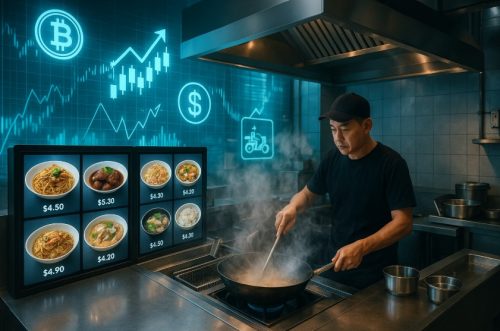
Ghost kitchen concepts and delivery-only operations require hawker operators to understand digital marketing and online business models paralleling forex trading platforms.
Cryptocurrency payment acceptance by some hawker stalls introduces operators to digital currency concepts related to forex trading.
Sustainable ingredients sourcing may involve international suppliers and carbon credit markets requiring currency management skills. Food technology adoption requires capital investment planning and international equipment sourcing developing forex-relevant financial management skills.
Conclusion
Singapore’s hawker center culture creates unexpected pathways to forex market participation through small business financial management, international supply chains, and community networks supporting knowledge sharing.
Practical business experience gained from hawker operations provides valuable foundation skills. Many operators successfully apply these to currency trading strategies.