





















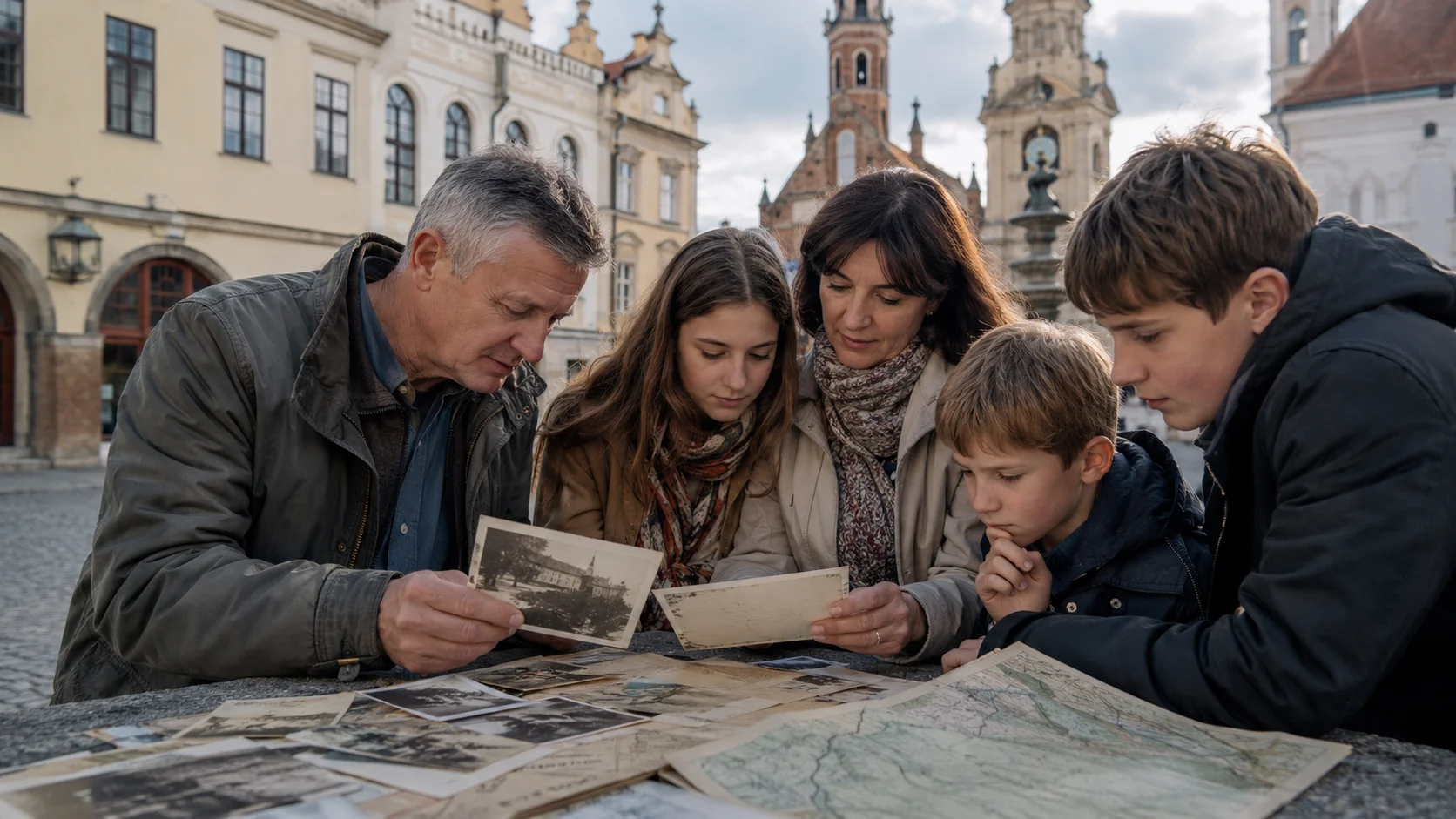
For many families across the United States, Canada, South Africa, Israel, Australia, and Latin America, Lithuanian ancestry is more than a historical detail.
It is part of a deeper identity that survived migration, war, political upheaval, and decades of separation from Europe. Today, more descendants are rediscovering their roots and exploring whether they qualify for lithuanian citizenship by descent.
Interest in citizenship restoration has grown rapidly in recent years, especially among people whose parents, grandparents, or great-grandparents left Lithuania before 1990. In many cases, descendants are surprised to learn that they may still have a legal pathway to reclaim Lithuanian citizenship and obtain access to the European Union.
What Challenges Come With Reconnecting Through Lithuanian Heritage?
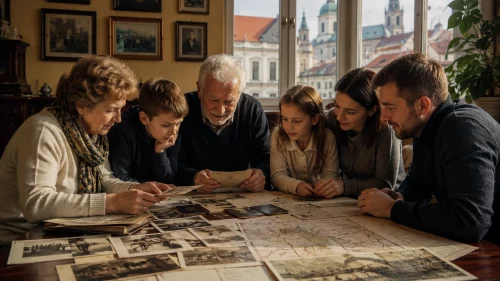 Lithuania’s citizenship laws are unique because they recognize historical circumstances surrounding emigration, Soviet occupation, and forced displacement.
This creates opportunities for descendants who can prove family lineage and ancestral ties to Lithuania before World War II or during the Soviet era. According to Lithuanian legal guidance and consular information, descendants of former Lithuanian citizens may qualify for citizenship restoration under certain conditions.
For many applicants, the process begins with genealogy research. Old birth certificates, passports, military records, immigration files, synagogue documents, and naturalization papers often become essential pieces of evidence.
Sometimes families already possess these records. In other situations, archives in Lithuania, Poland, Belarus, South Africa, or the United States must be searched to reconstruct family history.
One important detail people frequently misunderstand is that Lithuanian ethnicity itself is not always the determining factor. Lithuanian citizenship law focuses more heavily on legal citizenship status and lineage than purely ethnic background.
Even descendants from Jewish, Polish, Russian, or Belarusian families may qualify if their ancestors were citizens of Lithuania before 1940.
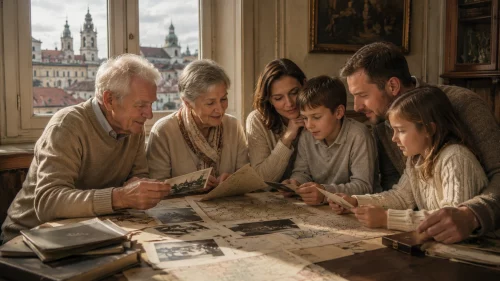 Another reason interest continues to increase is the value of European Union citizenship. A Lithuanian passport provides the right to live, work, study, and travel freely across EU member states. For younger generations, this creates opportunities for international education, business expansion, remote work flexibility, and long-term mobility.
However, the process is rarely as simple as filling out a form online.
One of the biggest obstacles applicants face is documentation consistency. Names were often changed after immigration, especially among Jewish families and refugees escaping war.
Lithuanian names were translated into Russian, Polish, Yiddish, English, or Hebrew versions over time. Small spelling differences can create complications if not properly explained during the application process.
There is also confusion surrounding dual citizenship. Lithuania generally restricts dual citizenship, but there are important exceptions related to descendants of citizens who left Lithuania before March 11, 1990. Many descendants may qualify to retain their current nationality while restoring Lithuanian citizenship.
Because of these legal nuances, applicants often underestimate the importance of professional assistance. A weak application with incomplete evidence can significantly delay approval timelines or result in rejection requests for additional documents.
In contrast, a properly prepared file with organized archival evidence and clear lineage explanations dramatically improves efficiency.
Another overlooked reality is emotional motivation.
Many people begin the process for practical reasons such as EU access, but later discover a stronger personal connection to their family story. Visiting ancestral towns, reading old immigration documents, or finding relatives’ records in Lithuanian archives often transforms the experience into something much deeper than obtaining a second passport.
Modern Lithuania itself has also become increasingly attractive for descendants reconnecting with their roots.
The country has developed into a modern European economy with strong digital infrastructure, growing startup ecosystems, and expanding international business opportunities. Vilnius, in particular, has become known for technology, fintech, and remote-friendly living environments.
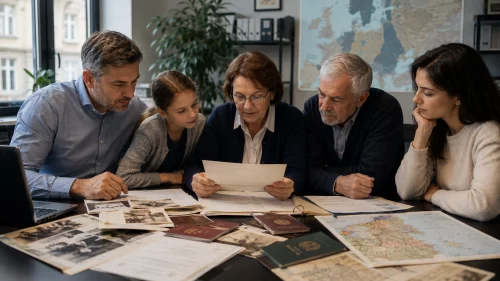 For descendants considering the process, timing matters. Archival retrieval, translations, apostilles, and government review procedures can take many months depending on the complexity of the case. Starting early is usually the smartest strategy, especially for families trying to secure citizenship pathways for future generations.
Ultimately, reclaiming Lithuanian citizenship is not only about legal status. It is often about restoring continuity between generations that were historically separated by conflict, migration, and political instability.
For many families, the process becomes a way to reconnect the past with the future.