

























A commercial septic system manages large volumes of wastewater every day. It collects, treats, and disposes of waste safely through a network of tanks, grease traps, and drainage fields.
When maintenance is ignored, problems build up quickly. Repairs become costly, contamination risks increase, and business operations can be disrupted.
This article explains how septic systems work, what happens when upkeep is neglected, and how regular maintenance protects your business, your finances, and the environment.
How Commercial Septic Systems Operate?
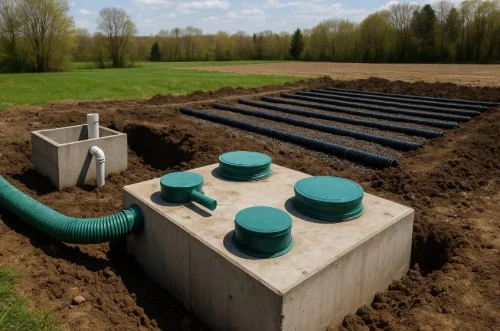 Understanding how these systems function helps explain why consistent maintenance is necessary to keep everything running efficiently.
Key Parts of a Septic System:
A commercial septic system includes several important components:
- Septic tank: It separates solids from liquids. Heavy waste sinks into a sludge layer while lighter materials float to the top.
- Drainage field: It distributes treated water into the soil, where it naturally filters through.
- Grease traps: They capture oils and fats before they enter the tank to prevent blockages.
- Sewage treatment plants: They provide extra filtration for sites with higher waste volumes.
Each part supports the rest of the system. When one area fails, the entire process from collection to final disposal can be disrupted.
The Role of Anaerobic Bacteria
Inside the tank, anaerobic bacteria break down solid waste. This biological process reduces sludge build-up and supports proper waste digestion.
However, strong chemical cleaners, excess grease, or missed pump-outs can harm these bacteria. When that happens, solids build up faster, forcing the system to work harder and reducing its lifespan.
What Is the True Cost of Neglecting Commercial Septic Tank Maintenance?
Consequences of Poor or Irregular Maintenance
Ignoring maintenance can lead to a chain of problems that affect both the system and daily business operations.
Sludge Build-Up and Drainage Failures
When sludge isn’t removed regularly, it fills the tank and blocks pipes. Wastewater backs up into drains and toilets, and the drainage field may stop filtering properly.
This leads to flooding, foul odors, and expensive restoration work. Many business owners delay septic tank emptying until problems become visible, but by then, the damage is often done.
That’s why it’s important to visit websites like portabletoiletslimited.com for reliable services that provide timely septic tank emptying, which helps prevent these issues before they disrupt operations.
System Damage and Repair Costs
Overflow or pressure from a full tank can crack pipes and damage the drainage field. These mechanical failures often require excavation and replacement, which are far more expensive than scheduled cleanings. Preventive maintenance helps detect small issues before they cause lasting damage.
Disruption to Daily Operations
A malfunctioning septic system can interrupt business activities, especially in hotels, restaurants, or factories that rely on constant water use.
When restrooms or kitchens close, customer service suffers, and revenue declines. Consistent maintenance helps avoid these disruptions and protects your company’s reputation.
Environmental and Legal Impact
Poor maintenance doesn’t just harm the business. It can also cause environmental damage and legal penalties.
Risks of Environmental Contamination
Untreated wastewater leaking into the soil or groundwater can pollute nearby streams, ponds, and wells. This contamination harms plants and animals, and it may spread beyond the property.
Cleanup costs are often significant, and repeated pollution incidents can affect your ability to operate in the area.
Non-Compliance with General Binding Rules
In the UK, all septic systems must meet the General Binding Rules for wastewater discharge management. These regulations require regular inspection and maintenance. Failure to comply can result in fines, legal orders, or the need for costly system upgrades.
Keeping proper service records and maintenance logs helps demonstrate compliance and avoid penalties.
Financial and Business Costs of Neglect
 Postponing maintenance increases costs over time. What starts as a minor issue can become a major financial burden.
The Expense of Repairs and Replacements
Once a system is damaged, simple cleaning is no longer enough. Cracked tanks, collapsed drainage fields, and broken pipes often require full replacement.
Planned maintenance contracts are far more affordable and predictable. Regular inspections and CCTV surveys also identify risks early, reducing the likelihood of emergency repairs.
Hidden Business Costs
Financial loss extends beyond repair expenses. Downtime can interrupt operations, delay orders, or close customer areas. Businesses may also face higher insurance premiums or a drop in property value after repeated septic failures.
Over time, these issues can harm long-term relationships with clients and damage the company’s public image.
How to Prevent Problems Through Planned Maintenance?
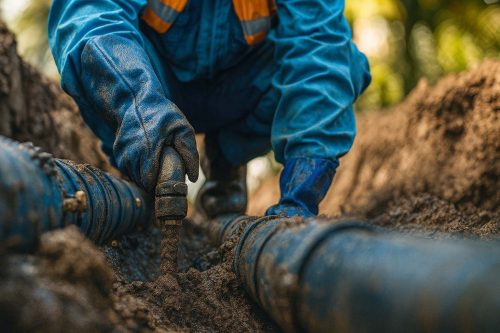 Consistent, professional maintenance is the simplest way to extend your system’s lifespan and avoid unnecessary costs.
Regular Inspections and Maintenance Contracts
Scheduled inspections and pump-outs remove excess sludge and keep the system efficient. Maintenance contracts often include CCTV surveys, cleaning schedules, and compliance reports. These services prevent surprise breakdowns and keep records ready for environmental audits.
Monitoring Waste Digestion and Sludge Levels
Tracking sludge buildup helps identify early warning signs before they become major problems. Gurgling noises, slow drains, or unpleasant odors mean the tank needs servicing soon. Acting quickly prevents overflows and protects the drainage field from damage.
Equipment Upgrades for Long-Term Savings
Modern sewage tanks and liquid storage systems are more durable and energy-efficient. Upgrading aging equipment improves waste processing and reduces servicing frequency. Although the upfront investment is higher, these systems deliver consistent savings and reliability over time.
Conclusion
Neglecting commercial septic tank maintenance can result in serious financial, environmental, and operational setbacks. Regular inspections, timely pumping, and maintenance contracts reduce risks and protect business continuity.
By staying proactive, companies can save money, stay compliant with regulations, and maintain a cleaner, safer environment for staff and customers.



