
























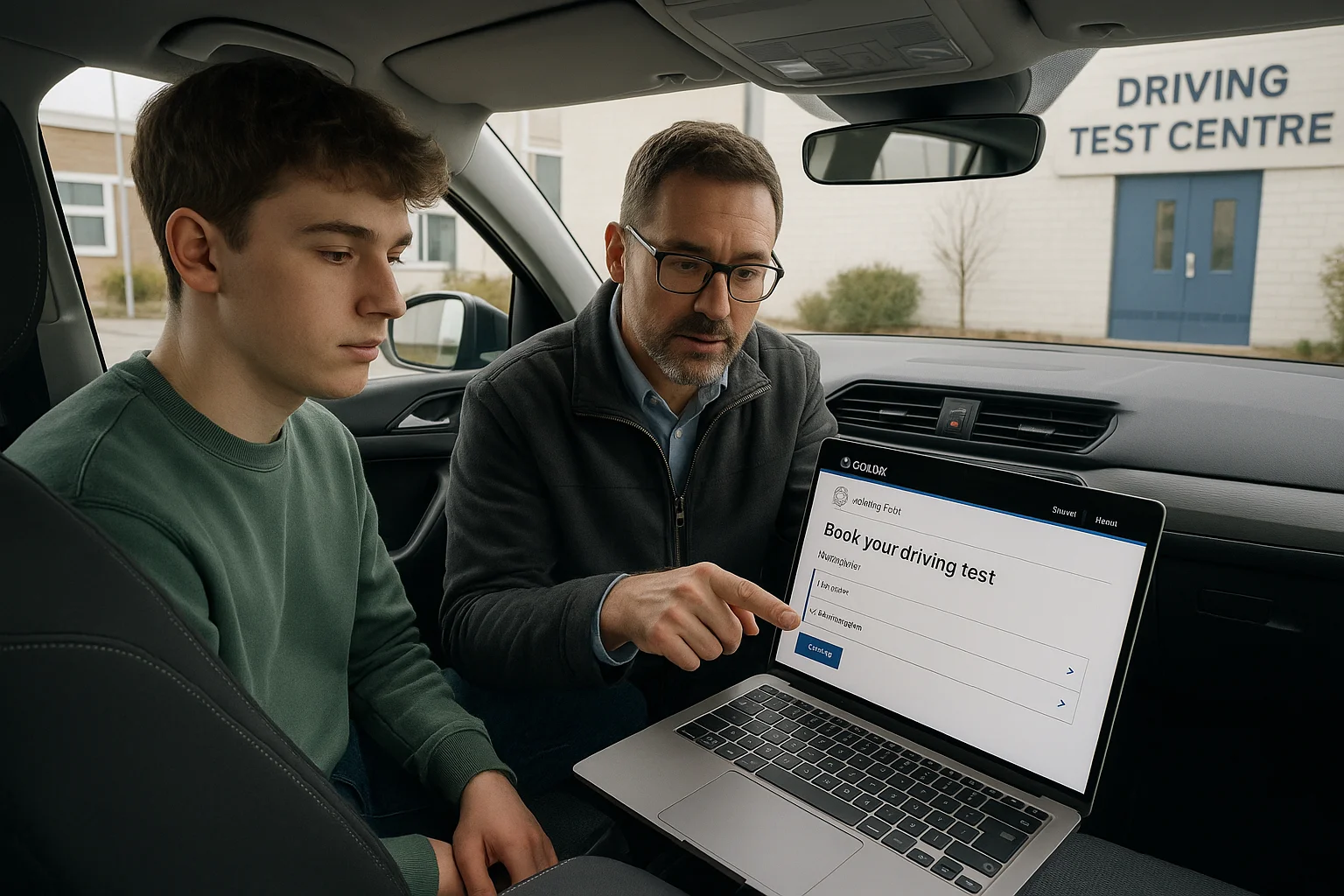
The UK’s driving test booking system is set for major reform in spring 2026, with significant implications for learner drivers, instructors, and test availability.
The Driver and Vehicle Standards Agency (DVSA) has announced new rules designed to improve access, reduce misuse of bookings, and ensure learners are test-ready.
This blog explores all the updates and what they mean for new drivers preparing for their driving tests.
What Are the New Driving Test Booking Rules Coming in 2026?
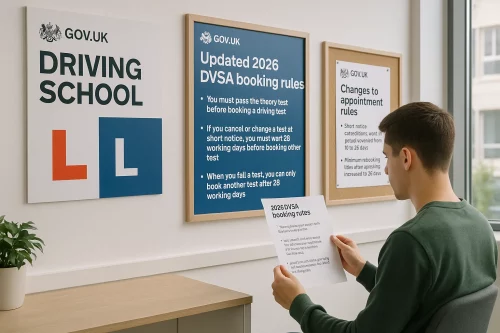
The Driver and Vehicle Standards Agency (DVSA) will roll out a series of important changes to the car driving test booking system from spring 2026.
These updates are designed to make the process more efficient, reduce misuse, and ensure that learners are genuinely prepared when they book their tests.
Objectives of the 2026 DVSA Rule Changes
The core purpose behind the DVSA’s reforms is to make the driving test booking system more effective and accessible.
Over the past few years, growing concerns about extended waiting times, speculative bookings, and unused test slots have prompted a closer look at how the system functions.
By introducing tighter controls and encouraging learner accountability, the DVSA aims to:
- Reduce the number of unnecessary bookings and last-minute cancellations
- Ensure test slots are reserved for candidates who are ready
- Prevent third-party or automated bookings that disrupt fairness
The changes also aim to support instructors by streamlining the system without requiring them to manage bookings directly on behalf of students.
Key Rule Changes Affecting Bookings
From spring 2026, learners will need to make all driving test bookings themselves. Instructors or third parties will no longer be permitted to make bookings on a learner’s behalf. This marks a shift toward greater independence and responsibility for the candidate.
Another significant update is the limit on how many times a test appointment can be changed. Once a test is booked:
- Only two changes can be made to the appointment
- Changes include altering the time, date or test centre
- Further modifications will require the learner to cancel and rebook
There will also be restrictions on changing test centres. Learners can only move their booking to nearby locations relative to their original choice, which will prevent the practice of securing less popular slots far from home and later switching to high-demand centres.
Anticipated Impact on the Booking System
The DVSA expects that these adjustments will help regulate demand more evenly across the country.
With fewer unnecessary changes and more considered bookings, the number of missed or underutilised test appointments should decrease. In turn, this is expected to free up more test slots and reduce waiting times for other learners.
By assigning full booking responsibility to the learner and enforcing stricter rules around changes, the system will likely become more transparent and equitable for all users.
When Will the Driving Test Booking System Changes Take Effect?
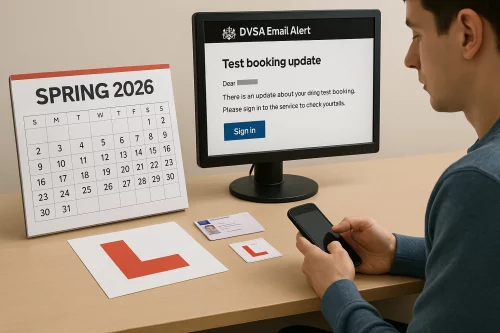
The new system will be introduced in spring 2026, though a precise date has not yet been announced by the DVSA.
Updates will be provided closer to the time, and learners, driving instructors, and training organisations are advised to stay informed by checking the official DVSA website or subscribing to updates.
The changes will apply across England, Scotland and Wales. Northern Ireland will continue to follow separate guidance issued by the Driver and Vehicle Agency (DVA), so drivers in that region should refer to local updates.
This reform will only impact car driving tests. Other categories such as motorcycle, LGV, or vocational tests remain unaffected by these specific changes.
How Will the New Rules Affect Learner Drivers?
The 2026 updates will have a direct impact on how learner drivers approach their test preparation and booking process. From greater independence to new limitations, learners will need to understand how the rules affect them at every stage of their journey.
Increased Booking Responsibility
Learners will now be required to book their driving test themselves using the official DVSA platform. Driving instructors, friends or relatives will not be able to complete the booking on their behalf.
This new rule ensures that learners are actively involved in the scheduling and management of their test, helping them take the process more seriously. It also reduces the possibility of double bookings or miscommunication between instructors and learners.
Limitation on Test Appointment Changes
Each learner will be allowed to make a maximum of two changes to their booked test appointment. This applies whether they are changing the time, the date, the test centre, or swapping their slot with another learner.
After two changes have been made, the only option left is to cancel the appointment and book a new one. This approach is designed to:
- Discourage speculative or early bookings made before a learner is ready
- Prevent repeated rearrangements that tie up appointment availability
- Encourage commitment and preparation before securing a test date
Learners are advised to speak with their instructor to assess their readiness before confirming a booking.
Restrictions on Changing Test Centre Locations
One of the most significant changes is the restriction on where a learner can move their appointment. While changes to test centres will still be allowed, they will be limited to locations near the originally selected test centre.
This change targets a common issue where learners book remote test centres with more availability, only to change them later to high-demand locations. This behaviour often leads to wasted slots and longer delays for others.
By limiting the geographical scope for changes, the DVSA aims to create a fairer system for all learners.
Continued Support From Instructors
Although instructors will not be able to make bookings on behalf of their pupils, they will still play a key role in guiding learners through the process. Importantly, instructors will be able to update their availability using the DVSA’s online system.
When a learner includes their instructor’s ADI (Approved Driving Instructor) reference number during the booking process, the system will automatically check if the instructor is available at the selected time and date.
This ensures better coordination between the learner and instructor without compromising the learner’s autonomy in booking their test.
What Counts as a Change in the New Booking System?
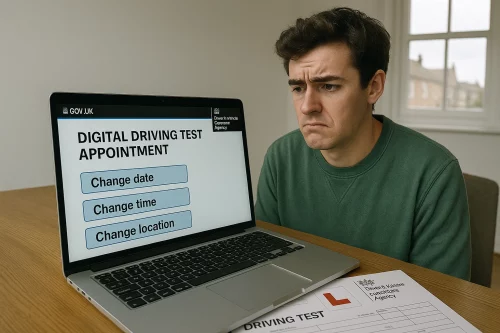
The DVSA has clarified what constitutes a “change” within the context of the new rules. Each of the following actions will be considered one change:
- Altering the time or date of the driving test
- Selecting a different test centre, even if it’s nearby
- Swapping appointments with another learner who already has a test booked
After making two changes, the system will not permit any further modifications. Learners will need to cancel their test and start the process over again if additional changes are necessary. This is intended to prevent frequent rearranging, which has previously led to unused test slots and longer delays for others.
For learners who are uncertain about their availability or readiness, it is advisable to wait until a firm plan is in place before selecting a test date.
What Happens If a Learner Driver Exceeds the Change Limit?
If the learner has already made two changes and needs to amend the booking again, the system will require them to cancel the test entirely and rebook a new slot. This introduces a financial and logistical consideration, particularly if the cancellation is made on short notice.
To be eligible for a full refund, the learner must cancel with at least ten full working days’ notice. Failing to meet this deadline will result in a forfeiture of the test fee.
| Scenario | Action Required | Refund Eligibility |
| Change needed after two edits | Cancel and rebook | Full refund with 10+ working days’ notice |
| Cancel with short notice | Cancel and rebook | No refund given |
| No-show or late cancellation | Loss of fee | Must rebook with new payment |
This rule underscores the need for learners to manage their appointments carefully and only book when they feel confident about their test readiness and availability.
How Can Driving Instructors Manage Their Test Availability?
Although instructors will no longer be able to directly book tests for their pupils, they can still play a supportive role by managing their availability in the DVSA booking system.
Instructors will be able to log into the DVSA service and specify when they are available to accompany their students for a driving test. When a learner books their test and includes their instructor’s Approved Driving Instructor (ADI) reference number, the system will automatically check whether the instructor is available for the selected date and time.
This approach allows for continued coordination between instructors and learners without giving instructors control over test bookings. It also ensures that instructors are not scheduled to attend multiple tests at the same time or on unavailable days.
Key points for instructors:
- Use the DVSA portal to manage availability
- Share the ADI reference number with learners
- Encourage pupils to check instructor availability before confirming bookings
This adjustment empowers learners to take responsibility while still maintaining the essential collaboration needed for a successful test experience.
Why Are These Changes Being Introduced?
The DVSA has implemented these changes to address several ongoing issues within the current booking system. Over recent years, there has been a sharp rise in complaints regarding long waiting times, misuse of test booking privileges, and a high number of last-minute cancellations.
The system has also been subject to abuse, with some individuals or services booking numerous test slots to later sell or trade them. This has made it difficult for genuine learners to access fair opportunities for booking their test.
The new rules are aimed at:
- Encouraging learners to book only when they are ready
- Minimising the number of speculative or casual bookings
- Preventing third-party booking services from monopolising slots
- Reducing the administrative burden on the DVSA caused by frequent cancellations
By implementing stricter controls and promoting individual accountability, the DVSA hopes to streamline the process, make test slots more accessible, and enhance the overall efficiency of the system.
What Should Learner Drivers and Instructors Do Next?
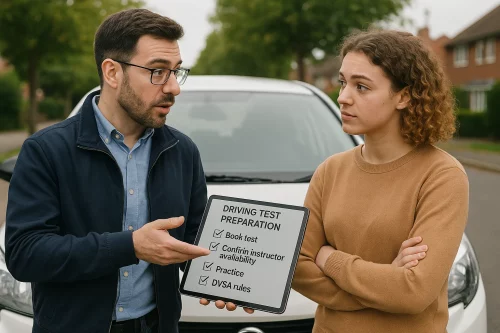
With the new system set to launch in spring 2026, preparation is key. Learners should familiarise themselves with the DVSA booking portal, understand the limitations around changes, and plan their test dates more strategically.
Instructors should begin adjusting their workflows by updating their availability in the system and ensuring that pupils are informed about the new responsibilities.
It may also be helpful for instructors to conduct readiness assessments with students to confirm whether they are prepared to book and attempt their test.
By working together and adapting to the upcoming reforms, both learners and instructors can benefit from a more efficient and equitable test booking experience.
Conclusion
The driving test booking system changes in 2026 mark a significant shift in how learner drivers in the UK approach the driving test process.
With restrictions on who can book tests and how many changes are allowed, the DVSA aims to make the system more efficient, reduce waiting times, and ensure candidates are genuinely ready for the test.
Both learners and instructors should take proactive steps now to adapt to these changes and ensure a smoother journey to obtaining a driving licence.
FAQs About Driving Test Booking System Changes
How can learners prepare for the new test booking rules?
Learners should ensure they are fully test-ready before booking and familiarise themselves with the DVSA’s updated guidelines. They must also be comfortable managing their test appointments directly.
Will instructors still have access to DVSA tools?
Yes, instructors can still manage their availability via DVSA tools, but they can no longer book tests on behalf of their students.
What happens if a learner swaps tests with another learner?
This will count as one of the two allowed changes. After two changes, any further swaps will require cancelling and rebooking.
Can I still get a refund if I cancel after two changes?
Yes, as long as you give at least 10 full working days’ notice, you’ll receive a full refund—even after using your two changes.
Are these rules applicable in Northern Ireland?
No. Northern Ireland has a separate licensing and testing authority (DVA), and different rules may apply there.
Why are test centre changes being restricted?
To ensure fairness and reduce misuse. The DVSA wants to prevent learners from booking in less busy centres and later shifting to high-demand locations.
How will the DVSA monitor test readiness?
By limiting changes and stopping speculative bookings, learners are more likely to only book when they feel genuinely ready, improving pass rates and reducing cancellations.



