

























Lending to small and medium enterprises has always been a challenge for banks. Every business is unique, so banks must carefully consider and analyze each loan decision.
Previously, the process took weeks, involving tasks such as reviewing financial statements, contacting clients, coordinating between departments, and managing a substantial amount of paperwork. Today, digital technologies are changing everything.
Modern banks use SME loan software, and TIMVERO offers the timveroOS platform. It combines underwriting, scoring, issuance, and loan management.
With this system, lenders can work faster, more accurately, and more flexibly. TIMVERO helps financial institutions automate processes, manage risks, and launch new loan products without unnecessary bureaucracy.
Why Scoring Is Important for Business?
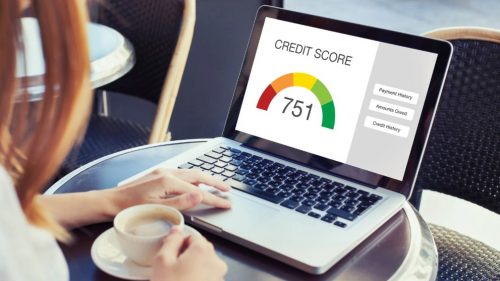 For owners of medium-sized and small businesses, every decision made by a bank matters. Scoring models allow you to assess creditworthiness based on data, not guesswork.
The following indicators are taken into account by banks:
- financial statements
- payment history
- business plan
- industry indicators
Take a restaurant, for example, some months it’s packed, other months it’s slow. Modern platforms make the whole process fast and spot-on. Instead of going through endless paperwork, smart algorithms crunch dozens of factors at once.
How Do Scoring Models for Business Help Banks Assess SME Creditworthiness?
How a Scoring Model Works?
Scoring models collect data from various sources: internal bank data, customer reports, credit history, and open financial indicators. Algorithms assess risks and, therefore, form a company’s rating. As a result, banks receive a ready-made recommendation: whether to issue a loan and on what terms.
A personalized approach is essential for SMEs. Each enterprise has its own unique characteristics: some have a stable income, while others experience seasonal fluctuations; some operate in a fast-growing industry, while others support a niche business.
The TIMVERO platform enables you to customize scoring parameters according to your specific needs. With its help, banks can take into account industry nuances. They can also take into account unique financial indicators.
Key Evaluation Factors
To understand how banks make decisions, it is important to highlight key factors:
- financial statements for recent years
- history of timely payments
- income size and stability
- industry and market indicators
- company credit load
- quality of the management team
Each of these points plays a significant role. For example, a company with a strong management team and stable income can secure a loan more quickly, even if it has recently entered the market.
Modern platforms automatically analyze this data. This allows you to form a company rating and make a decision on issuing a loan without delay.
Advantages of Digital Scoring
 Digital platforms are changing the rules of the game for both banks and entrepreneurs. One of the most critical points is the acceleration of the process. The decision comes in a matter of minutes, not days. The second important point is that reducing the human factor helps eliminate errors.
For SMEs, this means that applications are processed fairly and transparently. The lender sees the complete picture of the client’s financial situation, and the client receives a fair assessment and flexible terms.
Small businesses no longer feel “in the dark” when applying. The TIMVERO platform makes the process clear and controllable, allowing the entrepreneur to focus on business development rather than paperwork.
A practical example: a small bakery, recently opened, applied for a loan. Previously, the bank could refuse due to the lack of a long credit history.
However, everything has changed, and thanks to personalized algorithms and analysis of seasonal income, TIMVERO helped the bank assess the business’s true potential. As a result, the bank approved the loan. The terms were favorable. This allowed the entrepreneur to expand production.
The Future of SME Lending
Personalized digital solutions are changing the game for SME lending. Banks are leaning more on smart analytics and algorithms to size up risks. That means entrepreneurs can get funding faster, easier, and on clear, straightforward terms, with hardly any paperwork slowing them down.
TIMVERO opens up new opportunities for financial institutions. The platform enables the launch of new credit products. It also customizes scoring for real businesses. And it enhances customer trust. Scoring models are becoming a tool not only for risk assessment but also for strategic competitive advantage.
Conclusion
Scoring models for SMEs strike a balance between speed, accuracy, and transparency. Banks receive a tool for fast and informed decision-making.
Small and medium-sized enterprises gain access to financing without unnecessary bureaucracy and with flexible terms.
In the digital age, a personalized approach is becoming the norm, and technologies such as timveroOS make lending transparent, flexible, and efficient for all market participants.