























Rising fuel costs, driven by ongoing tensions in the Middle East, are starting to ripple through the UK’s ecommerce sector, adding pressure to online retailers already navigating tight margins and high customer expectations.
According to Logistics UK, the cost of fuelling a single HGV has risen sharply in recent weeks, with some operators now paying close to £1,000 per tank. While this is a direct issue for logistics providers, the knock-on effects are increasingly being felt by online businesses that rely on fast, cost-efficient delivery to compete.
As Ben Fletcher has highlighted, logistics businesses have limited capacity to absorb these kinds of increases. Over time, those costs are passed through the supply chain, meaning higher fulfilment and delivery costs for ecommerce brands.
Fuel Cost Surge Creates New Challenges for UK Ecommerce Businesses
 Why Ecommerce Businesses Are Particularly Exposed?
For ecommerce companies, logistics is not just a backend function. It is a core part of the customer experience.
Fast delivery, free shipping and seamless returns have become standard expectations. But all of these rely heavily on transport networks that are now becoming more expensive to run.
Unlike traditional retail, where some costs can be absorbed in-store, ecommerce businesses are directly tied to delivery costs. When fuel prices rise, the cost of getting a product from warehouse to doorstep increases almost immediately.
For smaller brands and startups, this can be particularly challenging. Many operate on tight margins and use delivery incentives to attract and retain customers. Rising fulfilment costs force difficult decisions, whether that is increasing prices, introducing delivery fees, or absorbing the cost and reducing profitability.
The Pressure on Fulfilment and Last-mile Delivery
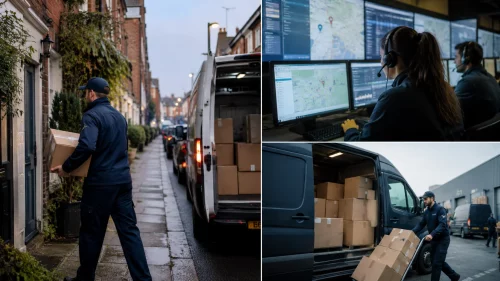 The biggest impact is often felt in the “last mile” – the final stage of delivery from a local hub to the customer’s door. This is already one of the most expensive parts of the supply chain, and rising fuel costs only add to that pressure.
At the same time, ecommerce businesses are dealing with increasing order volumes, higher return rates and customer demand for faster delivery windows. All of this creates a complex balancing act.
Many brands are now reviewing their logistics strategies more closely. Questions around where inventory is stored, how deliveries are routed and which partners they use are becoming more important than ever.
A Wider Shift in How Online Businesses Think About Logistics
The current situation is also accelerating a broader shift in mindset. Logistics is no longer just about cost, it is about resilience and flexibility.
Ecommerce businesses are starting to look at ways to reduce their reliance on long-distance transport. This might include holding stock closer to key customer areas, using multiple fulfilment centres or working with partners that can offer more adaptable delivery models.
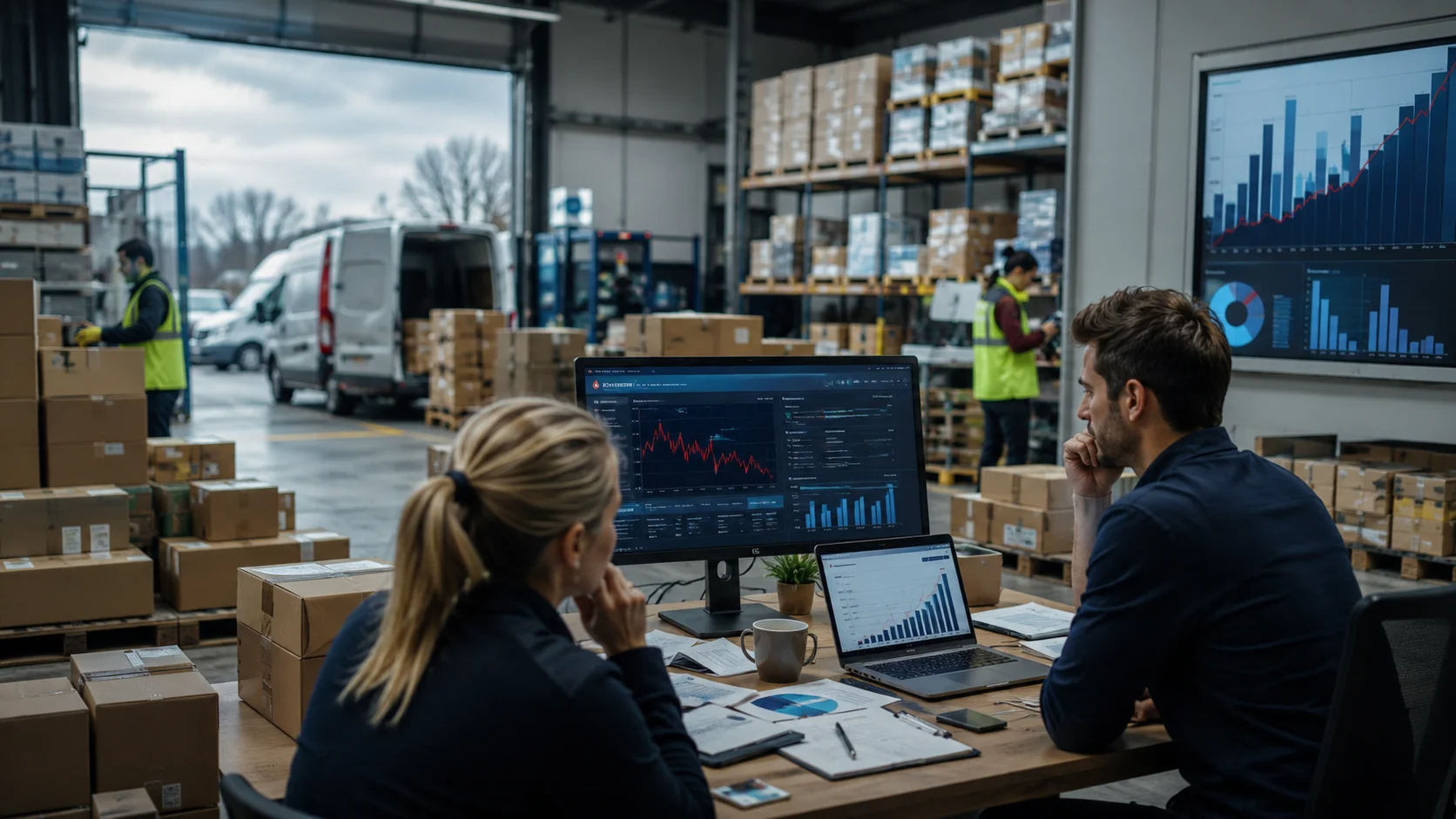
There is also a growing focus on data. Real-time visibility over inventory and delivery performance allows businesses to make quicker decisions and reduce inefficiencies, which can help offset rising costs.
A spokesperson from SFI Logistics said the current environment is pushing businesses to think more strategically about how goods move:
“Fuel costs have always been something logistics businesses keep a close eye on, but the pace of recent increases has made planning much more difficult. What we are seeing now is a stronger focus on efficiency across the board. That could be anything from consolidating deliveries to rethinking where stock is held so it is closer to the end customer.
“When margins are tight, small improvements can make a big difference. Businesses that can stay flexible and make smarter decisions about how goods move are in a much better position to deal with this kind of pressure.”
What This Means for Pricing and Customer Experience?
 One of the biggest questions for ecommerce businesses is how much of these increased costs can realistically be passed on to customers.
Consumers have become used to low-cost or free delivery, and there is often resistance to price increases. However, with fuel costs rising and logistics providers under pressure, some changes may be unavoidable.
We may start to see more tiered delivery pricing, longer delivery windows for lower-cost options, or minimum spend thresholds for free shipping becoming more common.
At the same time, businesses will need to balance cost control with maintaining a positive customer experience. Cutting corners on delivery can quickly impact brand reputation, especially in a competitive online market.
A Reminder of How Connected Supply Chains Really Are
For many ecommerce businesses, the current fuel price surge is a reminder of how dependent they are on global supply chains and external factors.
What starts as a geopolitical issue quickly becomes a commercial challenge, affecting everything from fulfilment costs to customer pricing strategies.
While some of the pressure may ease if fuel prices stabilise, the underlying lesson is likely to stick. Logistics is no longer something ecommerce businesses can afford to treat as a fixed cost. It is a dynamic part of the business that requires ongoing attention and strategic thinking.
As the situation continues to evolve, those businesses that take a more proactive approach to logistics, focusing on efficiency, flexibility and smarter supply chain design, are likely to be in a stronger position to manage whatever comes next.