


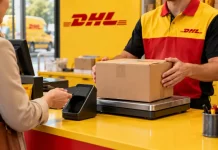























In fashion, timing is everything. One delay in production or shipping can throw off an entire collection launch.
That’s why so many fashion businesses have started rethinking how their supply chains work. They want speed, visibility, and control.
The old methods don’t cut it anymore. The industry now runs on tech-driven systems that make collaboration feel smooth instead of chaotic.
Why Designing Seamless Supply Chains Through Efficient B2B Fashion eCommerce Systems?
A Smarter Way to Manage Supply Chains
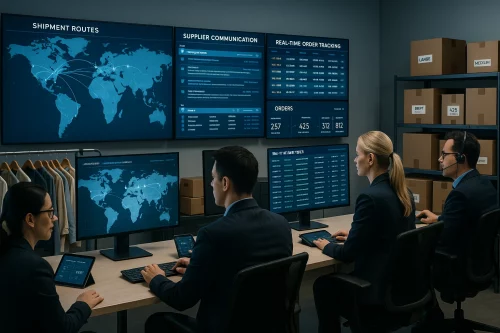
Modern fashion brands rely on digital tools that link every part of the process. From fabric sourcing to final delivery, technology ties it all together. This is where B2B fashion eCommerce solutions play a big role.
They create a space where brands, suppliers, and manufacturers can connect without the usual friction. Orders move faster.
Communication feels cleaner. Mistakes drop because everyone sees the same real-time data.
In a traditional setup, supply chains had gaps. Designers worked on one platform, suppliers on another. Information moved slowly.
By the time updates arrived, decisions were already outdated. A digital B2B system fixes that. It becomes the central hub for everything inventory, production timelines, and even payment tracking.
Transparency Becomes the New Standard
Fashion used to be secretive about its supply chains. Now, transparency sells. Consumers want to know where their clothes come from and how they’re made. Brands that can prove ethical sourcing gain trust.
That’s not possible without connected systems. Digital tools bring clarity to every layer of production.
When factories, logistics partners, and retailers share one digital view, it’s easier to spot delays or quality issues early.
Data keeps everyone accountable. It also helps teams forecast better. For example, if raw material prices rise, planners can adjust orders before costs spiral. That kind of agility protects margins and builds confidence across the network.
Reducing Waste With Data Insights
Fashion’s biggest headache is waste. Overproduction drains profits and hurts the planet. Smart digital systems help brands fix that.
With access to real-time demand data, teams can produce what’s needed instead of guessing. It’s not just about being eco-friendly. It’s about smarter spending.
When sales data connects directly to production systems, brands see what sells and what sits. They can adjust mid-season instead of waiting for the next line.
That kind of control was impossible before. Now it’s becoming the norm. And it’s not just big brands doing it. Smaller labels use digital supply tools to compete at scale without losing flexibility.
Speed Without the Stress
Speed doesn’t have to mean chaos. In fact, efficient B2B systems make operations calmer. Everyone works off the same schedule, with updates that sync automatically. No long email threads. No confusion about shipment dates.
Brands can plan tighter production windows without risking breakdowns. Suppliers know what’s coming next.
Retailers get products when they expect them. The result is a smoother flow that supports growth instead of blocking it. That’s a huge advantage in a market that never stops moving.
When speed meets structure, creativity thrives. Designers can focus on what they do best creating.
Operations teams can focus on precision instead of putting out fires. That shift alone changes how fashion businesses think about success.
Building Stronger Relationships Through Tech
At its core, fashion is still about people. Technology just makes those relationships stronger. A supplier that sees clear data feels more confident in a brand’s plans.
A retailer that gets updates on time builds trust. Digital tools remove confusion and leave space for better collaboration.
B2B eCommerce isn’t just a selling channel. It’s a partnership tool. It creates ongoing connections instead of one-off transactions.
Over time, those relationships turn into long-term alliances. That’s how resilient supply chains form through mutual reliability and shared visibility.
Scalability Without the Headaches
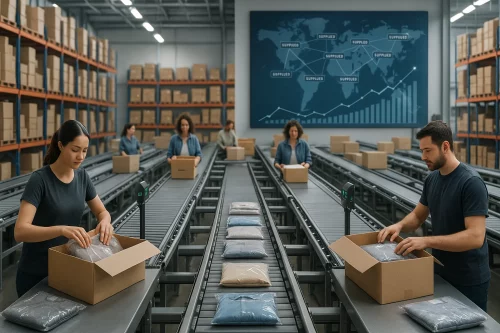
Growth sounds great until it overwhelms your system. Many fashion brands hit that point fast. Orders double, but tracking still happens in spreadsheets.
That’s where digital integration shows its value. A connected B2B platform scales naturally. It adapts as the brand grows.
Adding new suppliers, expanding regions, or managing more orders doesn’t mean chaos. The same system handles it.
Automation takes care of repetitive tasks. Teams can focus on strategy instead of admin work.
The brand grows without burning out its people. That kind of scalability is what modern fashion needs to survive.
A Future Built on Connection
The fashion world no longer moves in isolation. Every brand, supplier, and buyer plays a part in a bigger ecosystem.
Efficient B2B fashion eCommerce systems bring that ecosystem together. They reduce waste, speed up decisions, and make sustainability real instead of just a slogan.
Fashion will always be about creativity and style. But the business side now depends on how well everything connects.
The brands that master this balance art, data, and collaboration will lead the next wave of fashion innovation.
Seamless supply chains are no longer just an advantage. They’re the foundation for a smarter, more sustainable future in fashion.