
























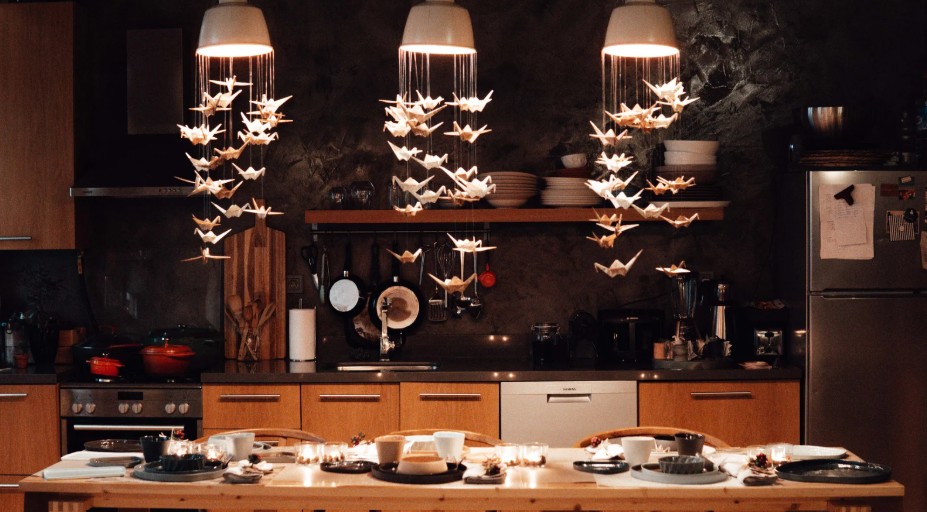
Restoration lighting is a process that extends the lifespan of existing light fixtures, concurrently enhancing their energy efficiency ratings and preserving their original character.
This is achieved by refurbishing light fixtures such as pendants, sconces and fittings and pairing them with modern, energy-efficient components like LED bulbs and smart lighting controls, delivering an end result that looks the same but performs far more efficiently.
Restoration lighting aims to extend the lifetime of existing fittings, reduce the volume of waste consigned to landfill, protect and preserve historical artefacts and save money.
There are many reasons why restoring existing fixtures is important for businesses:
Why Restoring Existing Fixtures is Important for Businesses?
1. Environmental Sustainability

Manufacturing has a high environmental cost, with sourcing, production and transportation all contributing to the carbon footprint of new products.
As we become more aware of our environmental impact, it is essential to take whatever measures we can to limit pollution and achieve our environmental goals.
Restoring and reusing existing light fixtures is one way of demonstrating a business’s commitment to environmental responsibility, helping it to achieve its sustainability objectives and attract like-minded customers.
2. Waste Reduction
Even if a light fixture no longer works, many of its components can be preserved and reused. Parts that are lightly damaged can be repaired or repurposed.
By carefully inspecting all elements of a light fixture, rather than replacing it, the vast majority of the fitting can be reused in the restoration process.
This means that far less waste is generated, reducing not only the volume of material consigned to landfill but also the associated costs of disposal.
3. Energy Savings
Businesses seeking value for money must consider both the upfront cost of an option and the longer-term cost impacts associated with it.
Restoration can offer a reduced up-front cost of ownership as existing fixtures are restored and renovated rather than being replaced with new alternatives.
The restored fittings offer a reduced long-term cost as retrofitting old fittings with modern LED bulbs can reduce energy usage, translating to lower energy bills over the long term.
4. Promoting a Circular Economy
Lighting restoration adheres perfectly to the principles of a circular economy by reducing waste, extending the lifetime of in-service products, and continually seeking to improve efficiency and performance.
5. Preserving Historical Artisanship
Vintage light fixtures tend to be crafted with high-quality materials and boast shapes and details that cannot be matched with modern mass-manufacturing processes.
Restoration protects and preserves these historical pieces, ensuring that their timeless designs live on.
These designs continue to enhance the character of the building in which they are situated.
Applying Modular Principles to Lighting Restoration Projects
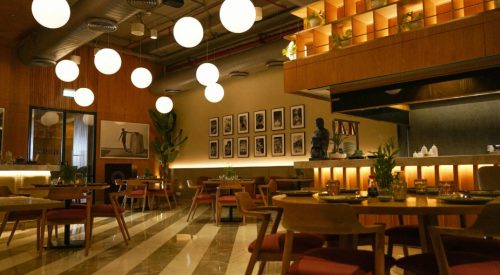
Modularity ensures that individual components can be replaced or upgraded without the need to replace an entire unit.
It simplifies repairs and allows fixtures to be customised to the user’s needs. One way in which modularity can be applied to restoration projects is the use of connectors and screws rather than adhesives.
This allows fixtures to be taken apart and put back together again simply and safely without damaging the unit.
Overcoming Challenges
Restoring old lighting fixtures is vital to preserving the historical status of listed buildings and is an excellent way for businesses to demonstrate their commitment to environmental sustainability.
However, it is important to consider what challenges you might face and how to overcome them. The most common challenges encountered by businesses include:
1. Maintenance
Restored fixtures need to be periodically inspected. Their performance should be checked, and worn-out or end-of-life components replaced before they affect the efficacy of the fixture.
2. Parts Availability
There are very few compatible spare parts available for restored units. This means that failed units must be salvaged and repaired where possible rather than simply replaced.
This can introduce time delays and cause costs to spiral if care isn’t taken with regard to sourcing.
3. Modern Standards Compliance
Many older fixtures will not meet modern safety and efficiency standards.
Restoration projects must therefore not only preserve the visual appearance of these fixtures but also enhance their performance so that they can be used safely and comply with regulations.
This may involve rewiring, insulating and certifying them before use.
Conclusion
Restoring old lighting fixtures instead of replacing them protects our planet, minimises the amount of waste consigned to landfill, strengthens the economy and preserves our heritage objects.
In short, businesses that have yet to embrace lighting restoration should ask themselves why they are missing out on a process that is circular, quality and timeless.