


























A fast and reliable internet connection is now essential for everyday activities such as video calls, remote working, streaming, gaming and using cloud-based services.
However, paying for a fast broadband package does not automatically guarantee strong Wi-Fi throughout your home. Router placement, interference, connected devices and the Wi-Fi technology supported by your equipment can all affect performance.
Before upgrading your broadband package, it is worth checking whether your existing connection can be improved. Simple changes such as repositioning the router, using Ethernet for fixed devices, selecting the right Wi-Fi band and updating older networking equipment can make a noticeable difference.
Ofcom recommends testing your broadband speed first because slow Wi-Fi does not necessarily mean there is a problem with the broadband line itself.
Easy Ways to Optimize Your Internet Connection
Consider Changing the Position of Your Router
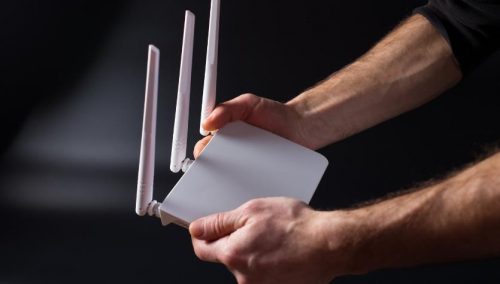
Router placement remains one of the easiest ways to improve Wi-Fi performance. Instead of simply putting the router “as close to you as possible,” position it in an open, elevated and reasonably central location so that its signal can reach more areas of the home.
Avoid placing the router on the floor, inside cupboards or directly beside thick walls, radiators, fish tanks and large metal objects.
Electrical equipment such as microwaves, cordless phones, baby monitors and some speakers can also interfere with wireless signals. Ofcom recommends keeping the path between your router and connected devices as clear as possible.
In larger homes, one router may still struggle to provide consistent coverage in every room. In that situation, a properly positioned mesh Wi-Fi system may provide better coverage than simply moving the main router.
Use Ethernet for Devices That Need a Stable Connection
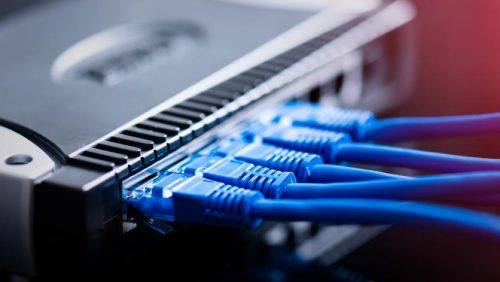
Wi-Fi is convenient, but an Ethernet connection can still provide better reliability for devices that remain in one place. Desktop computers, smart TVs and gaming consoles can usually benefit from being connected directly to the router with an Ethernet cable.
The existing article says that with Ethernet “none of the signals are lost,” which is too absolute. Instead, Ethernet avoids many of the wireless problems caused by distance, walls, congestion and radio interference. Ofcom currently advises using a network cable where possible because wired connections are usually faster and more reliable than Wi-Fi.
Make sure the Ethernet cable and network ports support the speed of your broadband connection. Older networking hardware can otherwise become a bottleneck even when you have a much faster fibre package.
Choose Between 2.4 GHz, 5 GHz and 6 GHz Wi-Fi
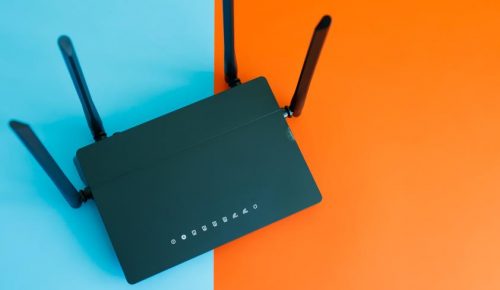
Modern Wi-Fi is no longer limited to choosing between only 2.4 GHz and 5 GHz. Depending on your router and devices, newer Wi-Fi 6E and Wi-Fi 7 equipment can also make use of the 6 GHz spectrum.
The 2.4 GHz band generally provides better range and passes through obstacles more effectively, making it useful for devices farther away from the router. However, it can be more congested and usually provides lower speeds.
The 5 GHz band generally offers higher capacity and faster connections over shorter distances, making it useful for laptops, TVs and gaming devices located reasonably close to the router.
The 6 GHz band provides additional spectrum for compatible newer equipment and can reduce congestion, but both the router and connected device need to support it.
In July 2026, Ofcom set out further changes expanding how 6 GHz spectrum can be used for Wi-Fi in the UK, including its framework for additional upper-6-GHz access.
Many modern routers automatically select suitable bands and channels, so manually forcing every device onto a particular frequency is not always necessary.
Keep Your Router and Connected Devices Updated
An older router can limit the performance of an otherwise fast broadband connection. Newer routers generally support more connected devices, newer Wi-Fi standards and improved methods of managing network congestion.
Keep your router, mesh equipment, phones, laptops and other connected devices updated. Ofcom recommends leaving broadband equipment switched on so that supported devices can receive automatic software and security updates. If your router is several generations old or frequently disconnects, contact your broadband provider to see whether a newer model is available.
Upgrading the router alone will not automatically increase the speed supplied by your ISP, but it can remove a Wi-Fi bottleneck that prevents your devices from taking full advantage of the connection.
Test Your Connection and Fix Wi-Fi Dead Zones
Before buying new equipment, run broadband speed tests at different times and compare results when close to the router and farther away.
If speeds are good near the router but fall sharply in other rooms, the main problem is probably Wi-Fi coverage rather than your broadband package.
For larger properties or homes with thick walls, a mesh Wi-Fi system can help extend coverage using several access points around the property.
Ofcom says mesh systems can improve coverage, although adding too many mesh units or positioning them badly can reduce their effectiveness.
If speeds remain poor even when a computer is connected directly to the router using Ethernet, contact your broadband provider because the underlying connection or package may be the limiting factor.
Wrapping Up
Optimising your internet connection does not necessarily mean paying for a faster broadband package. Start by testing your connection, positioning your router correctly and using Ethernet for devices that need maximum stability.
You can then check your Wi-Fi bands, update ageing equipment and consider mesh Wi-Fi if parts of your home still suffer from weak coverage.
The most important distinction is between broadband speed and Wi-Fi performance. Improving your home network can fix many Wi-Fi problems, but it cannot make the underlying broadband service faster than the speed being delivered by your provider