






















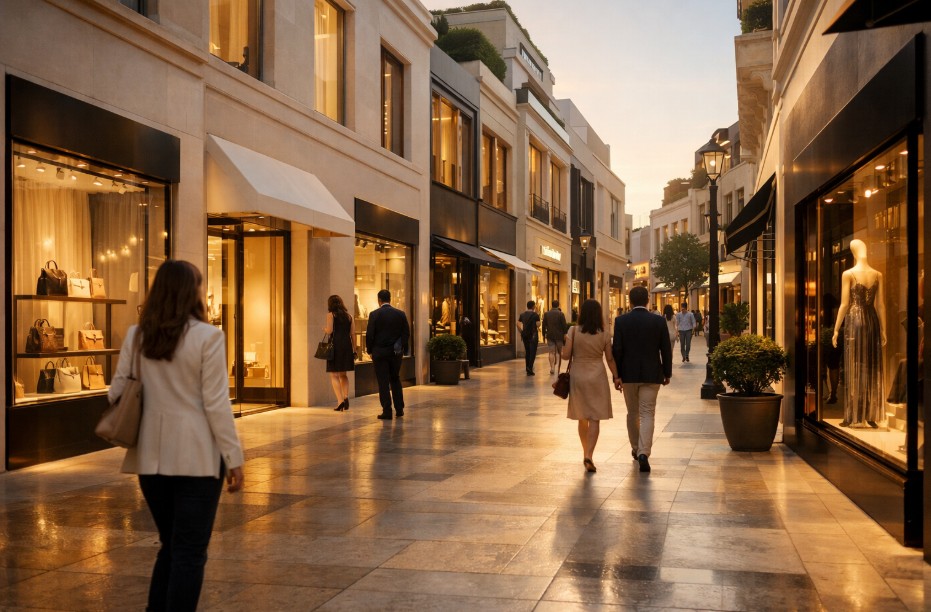
Some names just carry weight. You hear them once, and somehow, you assume the price tag is higher. That impression doesn’t come from logos or product pages, it starts when you’re brainstorming store name ideas until you settle on a name.
What makes one store name feel luxurious and another feel like it’s chasing clicks? The answer lies in tone, rhythm, and what the name chooses not to say.
Naming is more than branding, it’s psychology. And if you want your store to feel elevated from the first word, there are a few patterns that consistently raise perceived value.
What Makes Store Names Sound Expensive?
1. Simplicity Signals Confidence
 Expensive names don’t over-explain. They’re often short, restrained, and clean – one word, maybe two, and they don’t try to tell the whole story up front.
That kind of restraint reads as confidence. A long or overly descriptive name can feel like it’s trying too hard to prove its value, which immediately does the opposite. A simple name steps into the room like it already belongs there.
2. Neutral or Abstract Language Raises Perception
Luxury branding doesn’t always tell you what it sells. Instead, it implies a feeling or suggests a concept. When store names lean abstract, not random, but open-ended, they create just enough mystery to spark curiosity.
And curiosity, handled well, becomes prestige. A name that leaves a little space between what it is and what it means can invite customers to assign it more value than something literal ever could.
3. Sound Matters More Than Meaning
How a name sounds is often more important than what it means. Expensive names typically flow, they’re smooth, balanced, and pleasant to say aloud. Names that are easy on the tongue feel more refined, even before the customer knows anything about the product.
A clunky, awkward, or overly casual-sounding name can undercut a brand’s entire positioning, even if the product is high-end. Sound is subconscious and first impressions happen fast.
4. Fewer Words = Higher Status
 Long names create friction. Short names feel established. There’s something inherently elevated about a brand that can be summed up in a single, elegant word.
It gives the impression that the brand has earned the right to say less. You rarely see premium stores with names that include long descriptors, product categories, or marketing language. Instead, they use brevity as a signal of status.
5. No Marketing Language
High-end names rarely lean on adjectives like “best,” “pro,” or “affordable.” Those words serve a purpose in direct-response copy or advertising, but in a name, they tend to cheapen perception.
A store name that includes built-in sales messaging comes across as trying to persuade, and expensive brands don’t persuade. They imply quality by design, not declaration.
6. Slight Ambiguity Feels Premium
There’s a sweet spot in naming between being too obvious and too obscure. The most expensive-sounding names often land in that in-between space, clear enough to remember, abstract enough to make you pause.
When a name doesn’t immediately give everything away, it becomes more than just a label, it becomes a brand world. That tiny pause, the “what is this?” moment, becomes part of the appeal.
7. Cultural Distance Adds Weight
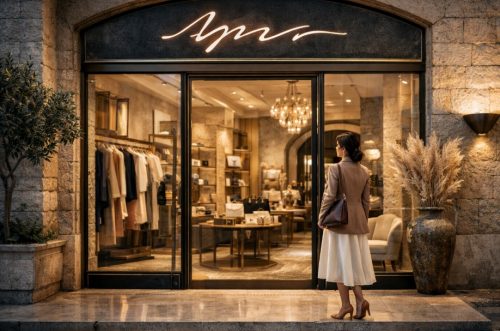 Store names that draw from unfamiliar languages, invented roots, or less-common word structures often feel more intentional. That distance, whether linguistic, stylistic, or geographic, adds mystique.
And mystique is powerful. Not because customers want to feel confused, but because they want to feel like they’re entering something that isn’t accessible to just anyone. A name that feels like it came from somewhere outside the everyday carries that exact energy.
8. Restraint Beats Cleverness
Clever names can be memorable. They can be fun. But they rarely feel expensive. Wordplay, puns, and wink-at-the-audience style naming can undermine authority, even if the product is great.
Luxury brands use humor sparingly, if at all. They don’t chase the laugh, they own the room. When a name exercises restraint, it signals control. And the control signals’ value.
Final Word: Sounding Expensive Is Intentional
A store name can’t do everything, but it can do more than you think. It’s not just what people type into Google. It’s the tone of your brand, the shape of your perception, and the price anchor in your customer’s mind. If you’re a luxury brand or just want to sound like one, listen up to these tips before you name your brand.