























Mortgage rates are expected to fall in 2026 because most forecasts show the Bank of England reducing the base rate toward 3% to 3.5% as inflation moves closer to 2%.
This article explores the key influences on mortgage rates and what borrowers can expect in 2026.
What Are Mortgage Rates?
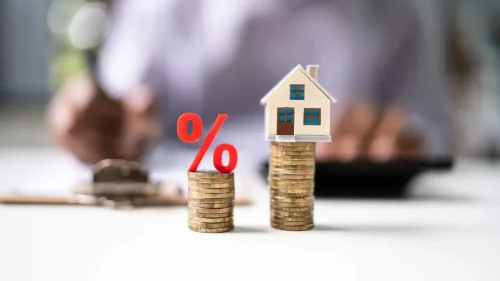 Mortgage rates are the interest charges borrowers pay on home or property loans. These rates can be fixed, staying the same for a set term, or variable, moving in line with the Bank of England base rate or lender decisions.
Lenders calculate them based on factors such as inflation, central bank policy, and market conditions. In the UK, mortgage rates directly affect monthly repayments and total borrowing costs. Tools like KIS Finance’s commercial mortgage calculator UK help estimate repayments based on rate changes.
Will Mortgage Rates Go Down in 2026?
Yes, mortgage rates in the UK are likely to fall in 2026. Most forecasts show the Bank of England lowering the base rate from 4% to around 3-3.5%.
These cuts respond to falling inflation, which is expected to drop from 3.8%in late 2025 to about 2.3% by the end of 2026. Lenders have already adjusted fixed-rate deals, with 5-year rates now averaging 3.82%.
| Forecast Source | Base Rate Prediction (2026) |
| HSBC | 3.00% |
| UBS | 3.00% |
| Capital Economics | 3.50% |
| Office for Budget Responsibility (OBR) | 3.70% |
| Reuters (Economist Poll) | 3.50% |
Overall, a slow but steady decline is expected throughout the year, depending on economic data. Variable and tracker rates could also fall, lowering monthly repayments for many borrowers.
What Factors Influence Mortgage Rates?
Several elements shape how mortgage rates move in the UK: wider economic trends, Bank of England policy, and specific lending criteria set by banks and building societies.
Here are the main 7 factors that affect mortgage rates in 2026:
- Bank of England Base Rate: Mortgage rates usually follow changes in the base rate. A drop in the base rate reduces the cost of borrowing for lenders, which can lead to cheaper mortgages.
- Inflation: High inflation pressures the Bank of England to keep rates higher. As inflation falls, it creates space for interest rate cuts.
- Swap Rates: Lenders use swap rates to price fixed-term mortgage products. Lower swap rates signal cheaper fixed-rate deals.
- Wage Growth and Employment: Strong wage growth can push rates up. Weak labour market data may support lower mortgage rates.
- Lender Funding Costs: The cost lenders face when raising money affects how low they can price their mortgage products.
- Housing Market Activity: Slower property sales and lower demand may encourage lenders to cut rates to attract borrowers.
- Global Economic Conditions: International trends, such as US interest rates and geopolitical risks, also influence UK mortgage pricing.
How Can Borrowers Benefit in 2026?
 Falling mortgage rates in 2026 may give UK borrowers a chance to reduce costs or access better lending terms.
Whether refinancing or buying a home, lower interest rates can directly affect monthly repayments and overall affordability.
Here are the potential benefits:
- Lower Monthly Repayments: A drop from 4% to 3% on a £250,000 mortgage over 20 years could reduce payments by around £155 per month.
- Improved Fixed-Rate Deals: Five-year fixed rates already average 3.82%, with further cuts expected.
- Better Remortgage Options: Existing borrowers may switch to lower rates as current deals expire.
- Higher Approval Rates: Eased affordability checks could help some applicants qualify more easily.
- Increased Buyer Activity: Lower rates may bring more first-time buyers and movers back into the market.
Conclusion
Mortgage rates in the UK are expected to fall gradually through 2026, supported by forecasts of base rate cuts and easing inflation.
While the pace of decline may vary, most analysts agree that fixed and variable mortgage rates will trend downward.
Lenders have already started adjusting products, with some five-year fixed rates at 3.82% as of late 2025.
Key takeaways:
- Base rate likely to fall to 3-3.5% in 2026
- Inflation expected to ease toward 2.3%
- Lenders may offer more competitive fixed-rate deals
- Borrowers can use tools like KIS Finance’s commercial mortgage calculator to model scenarios
Frequently Asked Questions
When will mortgage rates start falling in the UK?
Mortgage rates are expected to fall gradually from early to mid-2026. Forecasts from HSBC, UBS, and Capital Economics predict the Bank of England base rate will fall from 4% to between 3% and 3.5% during 2026. Lenders typically follow with cuts to fixed and variable rates shortly after base rate adjustments.
How much could mortgage rates drop in 2026?
Analysts expect average mortgage rates to reach 3–3.5% in 2026 if base rate cuts continue. As of November 2025, the best five-year fixed rate stands at 3.82%. Variable and tracker rates could fall more sharply depending on the pace of base rate reductions.
Will lower mortgage rates reduce my monthly payments?
Yes. On a £250,000 repayment mortgage over 20 years, a drop in rate from 4% to 3% could cut monthly payments by about £155. Borrowers on variable or tracker products will likely see direct reductions. Fixed-rate borrowers may benefit when remortgaging.
Should I remortgage now or wait for rates to fall further?
That depends on your current deal and expiry date. If your fixed rate ends in 2026, it may be worth waiting, as better offers could appear. If you’re already on a high rate or standard variable rate, remortgaging to a competitive fixed deal now might reduce costs immediately. Use comparison tools or calculators to estimate savings.
What affects how fast mortgage rates fall?
Mortgage rates move in response to the Bank of England base rate, inflation levels, lender funding costs, and market competition. Sticky inflation or wage growth may slow cuts. Global economic uncertainty may also delay rate reductions despite easing domestic conditions.
Will mortgage rates drop below 3% again?
Rates below 3% remain unlikely in 2026 unless inflation falls faster than expected and the Bank of England aggressively cuts rates. Most current forecasts suggest a floor around 3% in the medium term. Longer-term rates could trend lower beyond 2026, depending on economic performance.