
























From Kitchen Waste to Clean Fuel
In the past, Used Cooking Oil was a hassle, something to be drained, stored, and disposed of as cheaply as possible. Few people gave it much thought beyond its smell or the mess it left behind.
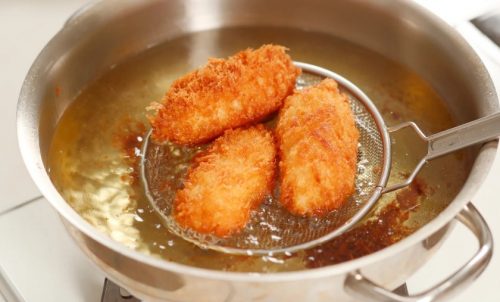
Today, that same waste product is becoming a hot commodity in the sustainability economy. Not because it’s glamorous, but because it solves a real problem: how to power our systems without adding more carbon to the atmosphere.
When Waste Becomes Value?
Used cooking Oil is no longer just something to get rid of. It’s now a raw material in high demand, especially for the production of sustainable fuels such as biodiesel and sustainable aviation fuel (SAF).
This shift has elevated oil recovery from a back-of-house routine to a meaningful part of the green supply chain. But here’s the catch, not all oil makes it into the system.
Much of it is still wasted, mismanaged, or discarded in ways that damage infrastructure and the environment. The challenge now is to build smarter collection networks and to treat waste as something worth managing properly.
That’s where used cooking oil collection services come in. They ensure the oil is collected and recycled into raw materials for sustainable fuels. In doing so, food businesses stay compliant, support the environment, and get paid for every litre collected.
The Circular Economy Isn’t Abstract, It’s Happening Here
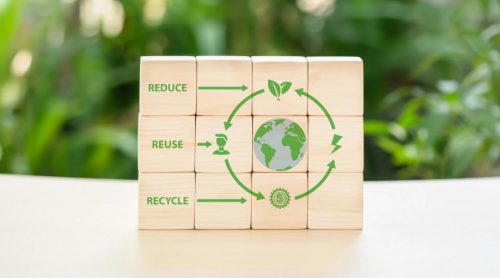 Too often, terms like “circular economy” sound abstract or distant. But this is a real, local example. Used Cooking oil moves from fryer to fuel tank. From restaurants to refineries. From waste stream to value chain.
And while big companies have long had systems in place, smaller businesses often lack the resources or awareness to do the same. That’s changing, thanks to service providers building infrastructure at scale.
Companies like uk.quatra.com provide nationwide oil collection services designed for the hospitality sector, ensuring full traceability, legal compliance, and CO₂ reduction by turning used cooking oil into certified feedstock (raw materials) for sustainable fuels.
What This Means for Businesses?
The rise in value of cooking oil isn’t just good for the planet. It also opens up new incentives for businesses to rethink how they handle waste, turning an operational by-product into something with tangible value.
Whether it’s compliance, brand image, operational cleanliness, or the opportunity to get paid for something they once threw away, used cooking oil is no longer something to overlook.
In a world looking for every carbon-saving opportunity, even yesterday’s fryer grease has a role to play.
By managing it properly, businesses can reduce their environmental impact while participating in a growing, value-driven circular supply chain, and benefit financially in the process. It may be messy. But in the sustainability economy, it’s also a resource.