


























Sustainability has become a defining factor in how businesses across the UK shape their corporate responsibility strategies. The focus shifts from short-term initiatives to long-term commitments that make a measurable difference.
Adopting green transport is one of the most practical ways to demonstrate that commitment. Transitioning to electric vehicles and implementing eco-friendly travel policies can significantly reduce emissions while improving brand reputation and operational efficiency.
This step is no longer a matter of image for many organisations but of essential progress toward a more responsible and efficient future.
What is the Business Case for Green Transport in UK Companies?
 UK companies are under growing pressure to adopt environmentally responsible practices while controlling operational costs. Traditional petrol and diesel vehicles are becoming more expensive, particularly with stricter emissions regulations in cities such as London, Birmingham, and Manchester.
Electric vehicles (EVs) present a practical solution that meets sustainability targets and financial expectations.
Businesses that introduce electric fleets quickly notice the advantages. Electricity generally costs less per mile than petrol or diesel, and maintenance costs are reduced due to simpler mechanics.
These savings accumulate over time, making EVs an appealing long-term investment. Employees and clients increasingly expect organisations to take meaningful action on sustainability, and a visible change in transport policy reinforces those values.
Government incentives continue to make adoption easier. From purchase grants to tax benefits, these measures encourage companies to invest in EVs and supporting infrastructure.
A well-planned approach to transport can strengthen a company’s environmental credentials and reduce its exposure to future regulatory costs.
Another key factor is including a reliable charging infrastructure. Businesses can improve operational efficiency by selecting the correct equipment, such as a KIA charging cable, which ensures vehicles charge quickly and safely.
Matching equipment to vehicle specifications is essential for avoiding downtime and maximising energy efficiency.
Electric Vehicles as the Cornerstone of Corporate Fleets
Electric vehicles are becoming the backbone of many corporate fleets. They offer an efficient way to meet sustainability goals while maintaining practical performance for daily operations.
Models such as the EV6 and Niro EV are popular choices for their driving range and ease of maintenance, both appeal to fleet managers looking for reliability and long-term savings.
Using the correct charging setup helps these vehicles perform at their best. A properly matched KIA EV charging cable supports consistent energy transfer and keeps the fleet running smoothly throughout the working week.
Managing a fleet becomes simpler when businesses standardise their equipment, ensuring each vehicle charges efficiently without unnecessary delays.
The benefits go beyond running costs. Adopting EVs demonstrates leadership and responsibility to stakeholders, employees, and customers. Businesses that move early towards sustainable transport are often perceived as innovators, gaining an advantage in brand reputation and staff engagement.
Building Effective Workplace Charging Infrastructure
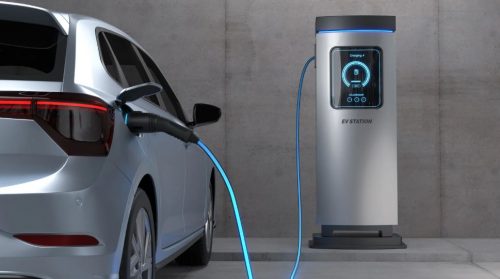 Developing a reliable charging system at work is central to supporting electric vehicle adoption. Companies must consider how many vehicles need charging, the type of chargers required, and how power demand will be managed.
The goal is to create a setup that fits the organisation’s needs today while remaining flexible for future expansion. Standard 7kW chargers work well for overnight or long-stay parking, while faster 22kW options are ideal for quick turnarounds.
However, the decision depends on the available electrical capacity and the nature of the fleet. Investing in smart charging systems can help balance power loads across multiple vehicles, avoiding strain on existing infrastructure.
Overcoming Common Implementation Challenges
One of the main challenges businesses face is managing limited space for chargers, especially in urban settings. Making the most of available areas is vital, whether installing wall-mounted units or designing angled parking bays to accommodate multiple vehicles. Planning charging zones carefully allows the infrastructure to grow alongside the fleet.
Electrical load management presents another consideration. Older buildings or smaller offices may have limited capacity, so installing modular charging systems can prevent overloading and prepare for future demand. Scheduling vehicle charging during off-peak hours also helps reduce costs and ensure consistent access to power.
Phasing the rollout of chargers offers a cost-effective way to learn from early installations before expanding the network. This approach helps small businesses tailor their setup to real usage patterns while avoiding unnecessary expense.
Measuring and Reporting Green Transport Impact
 Tracking the outcomes of green transport initiatives helps businesses demonstrate progress and accountability.
Companies can evaluate their performance by comparing emissions from previous petrol or diesel fleets with their electric replacements. This data can form part of broader Environmental, Social, and Governance (ESG) reporting.
Regularly publishing fleet efficiency and emissions reduction updates shows transparency and commitment to sustainability.
Stakeholders, investors, and customers increasingly value measurable environmental results, making accurate reporting a powerful communication tool.
Beyond Electric Vehicles: Broader Green Transport Strategies
While electric vehicles remain a major focus, a comprehensive green transport plan should include other sustainable travel options. Encouraging employees to cycle, walk, or use public transport can significantly reduce emissions.
Offering cycle storage, shower facilities, or participation in cycle-to-work schemes makes it easier for staff to choose alternative commuting methods. Subsidised public transport passes or shuttle services to train stations can reduce dependence on private vehicles.
Flexible and hybrid working arrangements also reduce emissions by cutting unnecessary commuting. Many organisations have adopted remote work policies that allow employees to complete tasks from home, lessening the environmental impact of daily travel.
These combined efforts create a culture of sustainability that extends beyond fleet management. Businesses that take a holistic approach to transport are more likely to see lasting environmental and reputational benefits.
Driving Change Through Sustainable Choices
Green transport represents a meaningful step toward corporate responsibility that aligns profit with purpose. UK companies that act now will set the standard for sustainable business practices in the years ahead.
Making simple, deliberate choices such as investing in electric fleets, integrating charging infrastructure, and supporting staff in low-emission commuting will continue to shape a cleaner and more responsible future.
Adopting green transport initiatives can transform both reputation and performance. Businesses ready to invest in electric fleets and supportive infrastructure can lead by example and inspire wider change across their industry. The transition starts with informed choices, careful planning, and the right equipment to power a more sustainable future.