























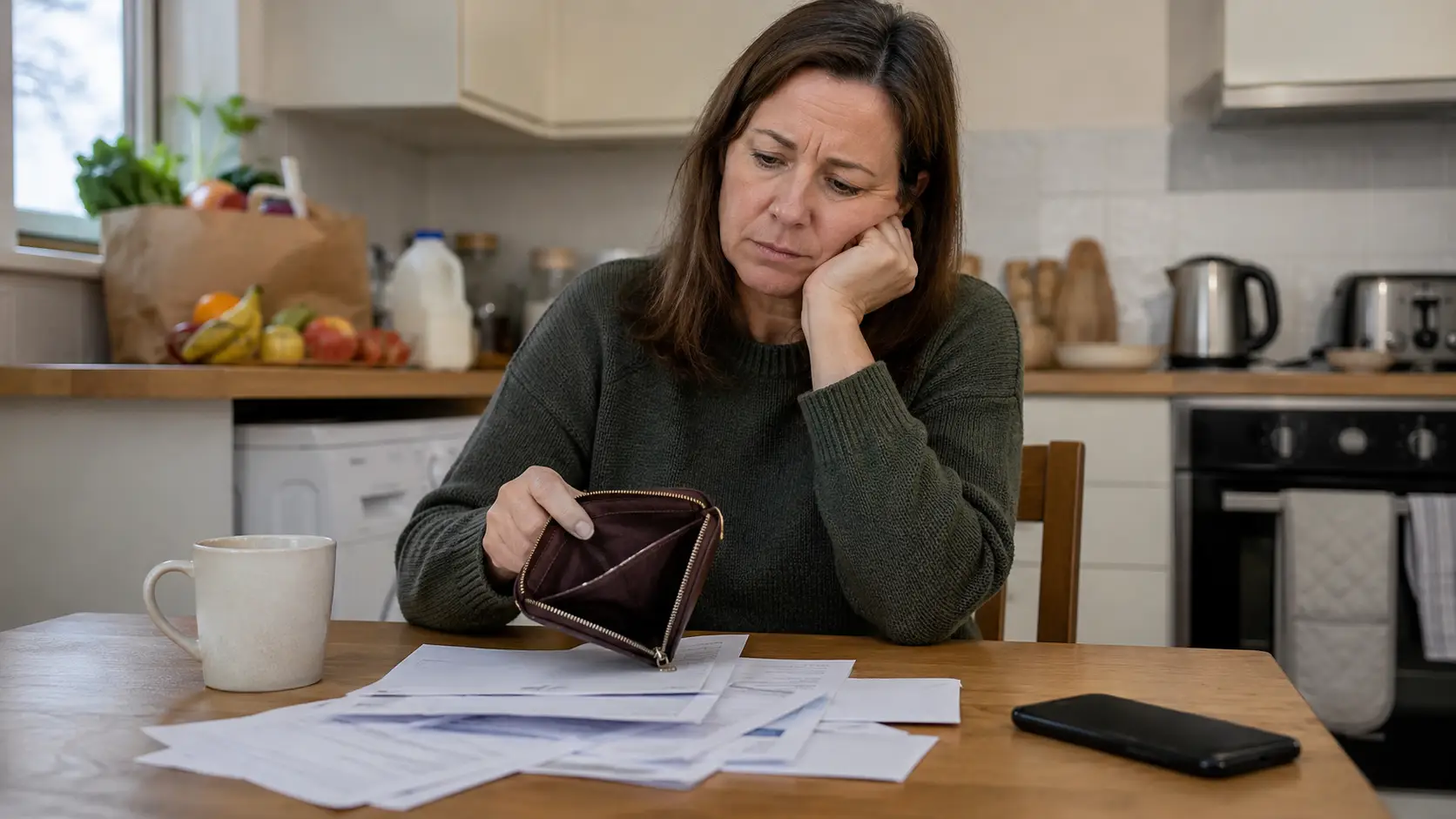
No new Cost of Living Payment has been announced for 2026.
The official GOV.UK cost of living support page states that there will be no Cost of Living Payment for 2026 and that no more payments are currently planned for future years.
The previous national Cost of Living Payments covered qualifying periods between 2022 and 2024. Receiving Universal Credit, Pension Credit, tax credits or a disability benefit in 2026 does not automatically create entitlement to another one-off payment.
A future government could introduce new support if economic or political circumstances change. Until an announcement appears on GOV.UK or is confirmed by DWP or HM Treasury, reports of a new payment should be treated as unconfirmed.
Cost of Living Payment Summary:
| Question | Confirmed position | |
| Has DWP announced another payment date? | No | |
| Are further national payments currently planned? | No | |
| When was the last low-income payment? | The £299 payment was issued to most eligible people in February 2024 | |
| Can someone still receive an old payment? | Potentially, if they are later found to have met the historical eligibility rules | |
| Does a person need to apply for an old payment? | Eligible historical payments were normally made automatically | |
| Is local emergency support still available? | Yes, but schemes and eligibility vary by location | |
| Is the £150 energy bill reduction a cash payment? | No. It is an estimated reduction in household energy costs from April 2026 |
When Was the Last Cost of Living Payment?
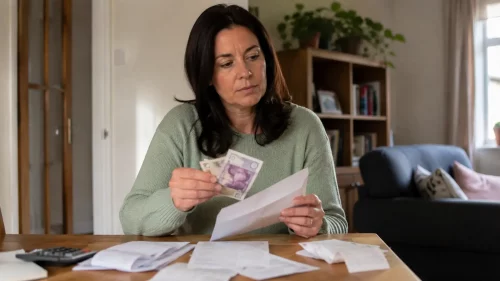 The final instalment of the previous means-tested Cost of Living Payment programme was worth £299.
For most eligible recipients, it was paid between 6 February and 22 February 2024. People receiving tax credits without another qualifying low-income benefit were generally paid by HMRC between 16 February and 22 February 2024.
That £299 instalment formed part of a wider £900 package for the 2023/24 period:
| Instalment | Main payment period |
| £301 | April to May 2023 |
| £300 | October to November 2023 |
| £299 | February 2024 |
| Total | £900 |
Earlier low-income Cost of Living Payments included instalments of £326 and £324 during 2022. Separate £150 Disability Cost of Living Payments and pensioner top-ups were also issued during earlier phases of the programme.
These were historical schemes. They should not be confused with a new payment for 2025 or 2026.
Could the Government Announce Another Payment Later?
 A future payment cannot be completely ruled out because governments can introduce new measures through a Budget, fiscal statement or emergency support package.
However, that possibility is different from a confirmed proposal.
As of now:
- no new nationwide Cost of Living Payment has been announced;
- no qualifying benefits or eligibility dates have been published;
- no payment amount has been confirmed; and
- DWP says no further payments are planned.
Public petitions and political requests for another payment do not create entitlement. For example, a parliamentary petition calling for another round of payments closed on 26 May 2026 without reaching the threshold required for a government response.
Readers should therefore distinguish between campaign requests, media speculation and official government policy.
Can Someone Still Receive a Previous Cost of Living Payment?
 In limited circumstances, a person may still receive a payment connected to the old scheme if they are later found to have been eligible during the relevant historical qualifying period.
For example, someone could be awarded a qualifying benefit retrospectively following a decision revision or successful appeal. DWP guidance states that eligible people can be paid automatically when entitlement is established later.
This does not mean that a person becoming eligible for Universal Credit or Pension Credit in 2026 will receive an old Cost of Living Payment. The claimant must have met the rules during one of the original qualifying periods between 2022 and 2024.
Anyone who believes an eligible historical payment is missing should contact the office responsible for the qualifying benefit or tax credit. DWP no longer directs claimants to a general online missing-payment form.
Practical Example
A claimant begins receiving Universal Credit in July 2026. They would not qualify for the previous £299 payment simply because they now receive Universal Credit.
By contrast, a claimant whose Universal Credit entitlement for a relevant 2023 assessment period is established retrospectively may need DWP to review whether an old payment is due.
What Cost of Living Help Is Available Instead?
Although there is no new national lump-sum payment, several forms of support remain available. Eligibility depends on personal circumstances and where the household lives.
Benefits and income support
A household may qualify for:
- Universal Credit;
- Pension Credit;
- Carer’s Allowance;
- New Style Employment and Support Allowance;
- New Style Jobseeker’s Allowance;
- Council Tax Reduction; or
- disability-related benefits.
The Government’s free benefits calculator directory links to independent tools that can provide an estimate of potential entitlement. Calculator results are not formal benefit decisions.
Help From Local Councils in England
From April 2026, the Crisis and Resilience Fund replaced the Household Support Fund in England.
The scheme allows councils to provide crisis and preventative support. Depending on the local authority’s rules, help may cover essential needs such as food, energy, water or housing-related costs.
Support is discretionary rather than an automatic national payment. Each council can set application procedures and local eligibility requirements within the government framework.
Households can read the official Crisis and Resilience Fund guidance before checking their council’s website.
Support in Scotland, Wales and Northern Ireland
Different schemes apply outside England:
| Nation | Potential support |
| Scotland | Crisis Grants and Community Care Grants through the Scottish Welfare Fund |
| Wales | Discretionary Assistance Fund |
| Northern Ireland | Discretionary Support or a Short-term Benefit Advance |
| England | Crisis and Resilience Fund support administered by local councils |
Eligibility, payment values and application processes are not identical across the four nations. Applicants should use the relevant government website rather than relying on rules published for another part of the UK.
Energy and Household Bill Support
From April 2026, the Government says that changes to energy bill costs are expected to reduce household bills by an average of approximately £150.
This is not a £150 cash payment. The reduction is applied through energy costs and households do not need to submit a Cost of Living Payment application for it. Actual savings can differ according to energy use, tariff and household circumstances.
People receiving certain benefits may also be able to access:
- discounted broadband or mobile social tariffs;
- help with water charges;
- housing-cost support;
- Budgeting Advances or Budgeting Loans; and
- supplier hardship arrangements.
What Should Someone Do If They Are Struggling With Living Costs?
 A household facing financial difficulty should not wait for an unconfirmed payment.
Practical steps may include:
- Checking entitlement through an independent benefits calculator.
- Contacting the local council about emergency or crisis support.
- Asking energy, water, broadband and mortgage providers about affordable-payment arrangements.
- Checking whether Council Tax Reduction or another local discount is available.
- Seeking free debt advice before taking out additional borrowing.
The Government’s cost of living support service brings together help with benefits, household bills, housing, childcare, disability costs and debt.
How Can People Avoid Cost of Living Payment Scams?
 Messages about government payments are commonly used by fraudsters to obtain bank details, passwords or identity information.
People should be cautious when a text message, email or social media post:
- asks them to apply for an unannounced payment;
- requests card details or an online banking password;
- creates pressure through a short deadline; or
- directs them to an unfamiliar website.
Previous Cost of Living Payments were made automatically to eligible recipients. GOV.UK warns that messages asking for personal or banking details may be scams.
Final Takeaway
There is no Cost of Living Payment scheduled for 2026, and DWP says that no further payments are presently planned.
The last low-income instalment was the £299 payment made to most eligible households in February 2024. Claims that a new £299, £500, £650 or £900 payment is on the way are not supported by current official guidance.
Households experiencing financial pressure should check existing benefit entitlement, local crisis support, energy assistance and discounted essential services rather than relying on rumours of another national payment.
Frequently Asked Questions
Will Universal Credit claimants receive another Cost of Living Payment?
No additional payment has been announced for Universal Credit claimants in 2026. Regular Universal Credit entitlement continues under the normal rules.
Is there a £500 Cost of Living Payment coming?
There is no officially confirmed £500 Cost of Living Payment. Online claims should be checked against current GOV.UK guidance.
Will there be another £299 payment?
No further £299 payment is scheduled. The £299 instalment paid in February 2024 was the final part of the previous £900 package.
Is there another disability Cost of Living Payment?
No new Disability Cost of Living Payment has been announced for 2026. Previous eligible recipients received separate £150 payments under the earlier programme.
Will pensioners get another Cost of Living Payment?
No separate Pensioner Cost of Living Payment has been announced for 2026. Some pensioners may qualify for other support, subject to the current rules for each scheme.
Can someone apply for a new Cost of Living Payment?
No. There is currently no new payment and therefore no legitimate application process.
What should someone do about a missing old payment?
They should check the historical eligibility criteria and contact the office that paid the relevant benefit or tax credit.
Could another payment be announced in the next Budget?
A government can introduce new support through a Budget or fiscal statement, but no future Cost of Living Payment should be assumed until it is officially announced.
Does receiving PIP guarantee a cost of living payment?
No. PIP and the former Disability Cost of Living Payment were separate. Receiving PIP now does not guarantee an additional one-off payment.
Where should people check for official updates?
The most reliable sources are GOV.UK, DWP, HM Treasury, HMRC and the relevant devolved government website.