

























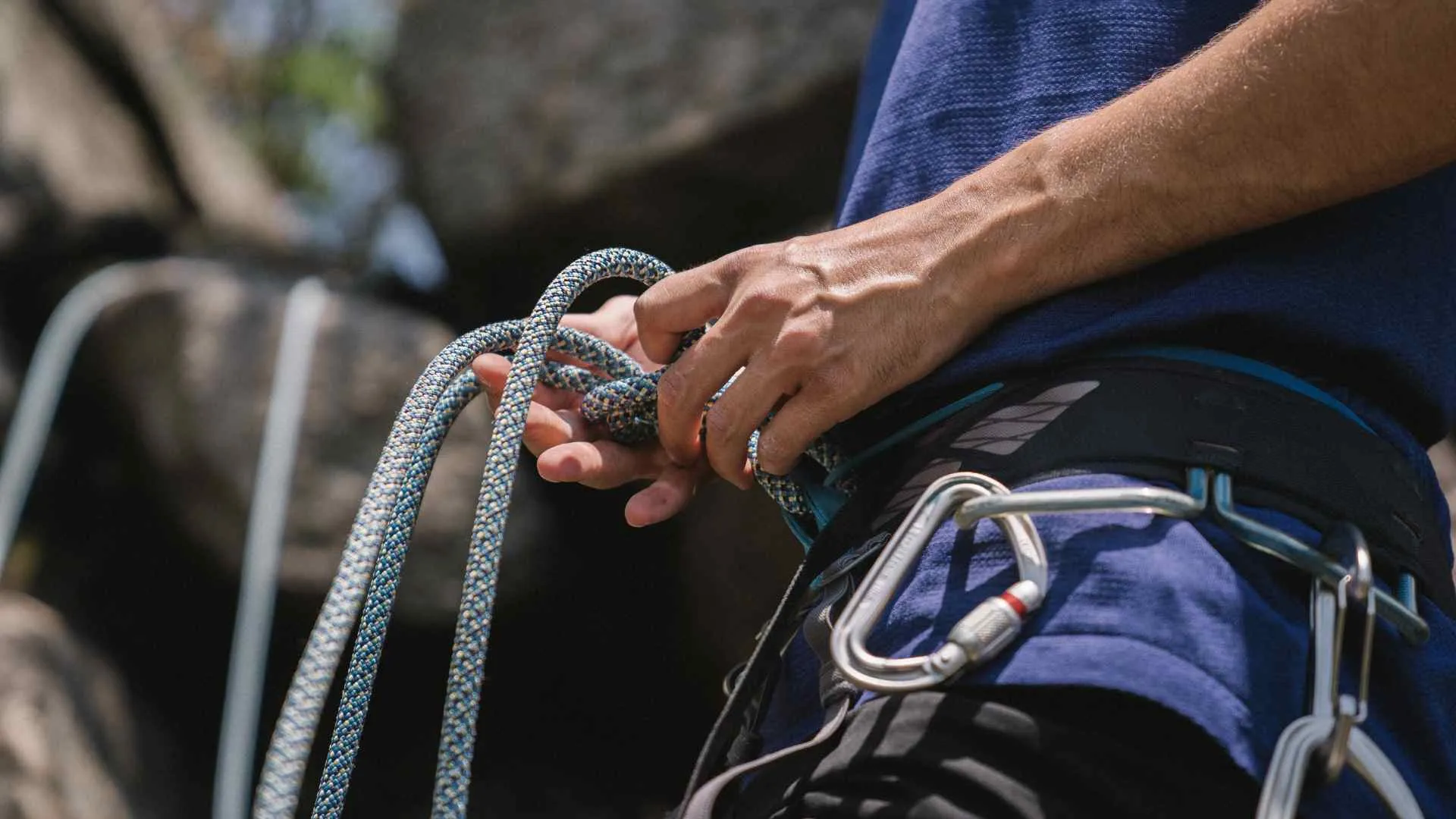
Locking carabiners are essential connection points within many working at height systems. They may be used to connect a safety harness to a lanyard, link equipment to an anchor point, or secure rope access and rescue devices.
Although carabiners often appear simple, differences in shape, material, locking mechanism and gate opening can significantly affect how safely and effectively they perform.
Choosing the correct carabiner requires more than comparing strength ratings. The connector must suit the task, remain correctly aligned under load and be compatible with every component it connects.
At SecureHeights, we supply a wide range of carabiners and connectors from leading manufacturers and working at height equipment for fall arrest, rope access, confined space and rescue applications, helping customers select compatible components for complete safety systems.
This guide explains the key factors to consider when selecting a carabiner for fall arrest, work positioning, rope access, rescue and other industrial working at height applications.
Why Choosing the Right Carabiner Matters?
 A carabiner is a critical connection component within a personal fall protection system. It is commonly used to connect a safety harness to a lanyard, attach equipment to an anchor point or integrate rope access and rescue devices into a complete system.
Although compact in size, the connector plays an important role in ensuring that loads are transferred correctly between compatible components.
Selecting a carabiner should never be based on strength rating alone. A connector with a high kN rating may still be unsuitable if its shape, locking mechanism or gate opening does not match the equipment being used. Poor compatibility can lead to incorrect positioning, cross-loading or difficulty making secure connections, reducing the overall effectiveness of the system.
Before choosing a carabiner, it is worth considering several factors:
- the type of work being carried out, such as fall arrest, work positioning, rope access or rescue;
- compatibility with the harness, lanyard, anchor point and connected equipment;
- the appropriate locking mechanism for the application;
- the connector shape and gate opening;
- the working environment, including exposure to moisture, dirt or corrosive conditions;
- the manufacturer’s instructions and the relevant standards.
Taking all of these factors into account helps ensure that the connector performs as intended as part of the complete fall protection system, rather than simply acting as a link between two pieces of equipment.
Types of Carabiners
Industrial working at height applications use several different types of carabiners and connectors, each designed for specific tasks. Choosing the correct type improves compatibility with the rest of the system and helps ensure safe and efficient operation.
| Type | Description | Typical applications |
| Manual locking | The locking sleeve must be secured manually after closing the gate. | General fall protection, work positioning and rope access. |
| Auto-locking | The gate locks automatically when closed using mechanisms such as twist-lock or triple-action systems. | Frequent connection and disconnection, or applications requiring an additional level of security against accidental opening. |
| Non-locking | No locking mechanism. Intended only for applications specified by the manufacturer. | Equipment organisation and other non-life-support uses where appropriate. |
| Quick links and specialised connectors | Threaded links and purpose-designed connectors for particular equipment or anchorage configurations. | Rescue systems, rigging, permanent or semi-permanent connections and specialised industrial applications. |
No single connector is suitable for every situation. The most appropriate choice depends on the equipment being connected, the working environment and the specific requirements of the task. Using the correct type of connector is just as important as selecting the correct harness, lanyard or anchor device within the overall fall protection system.
How Do You Choose the Right Carabiner?
Choosing the Right Carabiner Shape
The shape of a carabiner affects how loads are distributed, how easily equipment can be connected and how well the connector works with other components in the system. Choosing the correct shape improves compatibility and helps maintain proper alignment during use.
D-shaped carabiners are among the most common connectors used for industrial working at height applications. Their design naturally directs the load towards the spine of the carabiner, which is the strongest part of the connector. They are widely used with safety harnesses, lanyards and anchor devices.
Oval carabiners provide a symmetrical shape that helps keep equipment centred. They are commonly used with pulleys, rope grabs and some rope access devices where balanced loading is beneficial.
Pear-shaped (HMS) carabiners offer a wider basket and larger gate opening than many other designs. This makes them suitable for situations where multiple components need to be connected or where larger anchor points require additional clearance. Depending on the application, they may also provide greater flexibility when working with ropes and rescue equipment.
Selecting the correct shape should always take into account the equipment being connected and the manufacturer’s recommendations. A connector that fits one application may not be the most suitable option for another, even if it has an identical strength rating.
Steel vs Aluminium Carabiners
Carabiners are manufactured from several different materials, each offering advantages depending on the working environment and the type of task. Weight, durability and resistance to corrosion should all be considered before making a selection.
| Material | Advantages | Typical applications |
| Steel | Very durable, highly resistant to wear and repeated loading. | Fixed anchor systems, construction, industrial maintenance and applications where equipment is subject to heavy use. |
| Aluminium | Lightweight, easy to carry and reduces the weight of personal equipment. | Rope access, inspection, maintenance and tasks where workers carry equipment throughout the day. |
| Stainless steel | Excellent resistance to corrosion, moisture and harsh environments. | Marine environments, offshore work, wastewater facilities, chemical plants and other corrosive conditions. |
There is no universally best material for every application. Steel is often preferred where durability is the priority, aluminium is commonly chosen when reducing equipment weight is important, and stainless steel provides additional protection in environments where corrosion could shorten the service life of standard connectors.
The most appropriate choice depends on both the working conditions and the overall fall protection system.
Key Factors to Consider Before Choosing
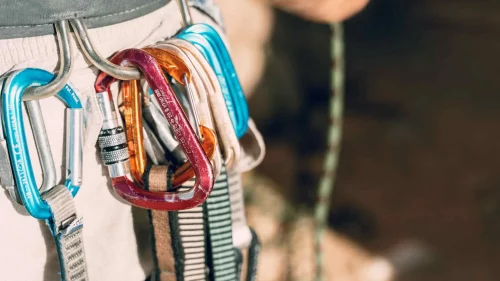 Selecting the right carabiner involves more than choosing the correct shape or material. Every connector should be suitable for the task, compatible with the rest of the fall protection system and capable of performing reliably in the intended working environment.
One of the first considerations is the type of work being carried out. A connector used for fall arrest may not be the best choice for rope access, work positioning or confined space rescue. Different activities place different demands on the connector, making it important to follow the equipment manufacturer’s recommendations.
Compatibility with other equipment is equally important. The carabiner should work correctly with the safety harness, lanyards, anchor devices and other connectors within the system. Incompatible components may not align correctly or could interfere with one another during loading.
The gate opening should also be appropriate for the anchor point or equipment being connected. A gate that is too small may prevent correct attachment, while an unnecessarily large opening may introduce handling difficulties in some applications.
Another important consideration is the strength rating, which is normally expressed in kilonewtons (kN). While industrial carabiners are designed to meet recognised standards, users should ensure that the connector is suitable for its intended application and is used only as specified by the manufacturer.
The published strength values should never be viewed in isolation from the connector’s intended orientation and loading conditions.
Finally, consider the working environment. Moisture, dirt, dust, chemicals, salt water and temperature extremes can all affect the long-term performance of equipment. Selecting a material and locking mechanism that matches the environment can help improve durability and reduce maintenance requirements.
Taking these factors into account helps ensure that the connector functions effectively as part of the complete fall protection system rather than as an individual item of equipment.
Common Mistakes When Choosing Carabiners
Many issues involving connectors are caused by incorrect selection rather than manufacturing defects. Understanding the most common mistakes can help reduce unnecessary risks and improve the overall performance of a fall protection system.
Using the wrong carabiner shape is a frequent mistake. A connector that does not suit the attached equipment may not sit correctly under load or may make it difficult to achieve proper alignment.
Choosing an unsuitable locking mechanism can also create problems. A manual locking connector may not be appropriate where frequent connection and disconnection is required, while an automatic locking model may be specified for tasks where additional protection against accidental gate opening is desirable.
Another common error is ignoring compatibility between components. Even when individual items comply with the relevant standards, they may not function correctly together if their dimensions or design are incompatible.
Cross-loading is one of the most significant loading errors. Carabiners are designed to achieve their maximum strength when loaded along the major axis with the gate closed.
Loading across the minor axis, placing pressure on the gate or allowing the connector to rest against unsuitable edges can significantly reduce performance. Twisting, side loading and improper orientation are additional issues that should be avoided.
Most of these problems can be prevented by selecting compatible equipment, following the manufacturer’s instructions and ensuring that users receive appropriate training before working at height.
Inspection and Maintenance
Carabiners should be inspected before every use and as part of the formal inspection programme required by the applicable regulations and the manufacturer’s guidance. Regular inspection helps identify damage before it affects the safe operation of the equipment.
Before use, users should check that the connector is clean, free from visible damage and operating correctly. Particular attention should be paid to:
- the body of the carabiner for cracks, deformation, excessive wear or corrosion;
- the gate to ensure it opens and closes smoothly;
- the locking mechanism to confirm it engages and locks correctly;
- any signs of chemical damage, excessive heat exposure or contamination that could affect performance;
- markings and identification to ensure they remain legible.
A carabiner should be removed from service immediately if it has been involved in a fall arrest event, shows signs of damage or excessive wear, no longer operates correctly, or fails inspection for any reason.
Equipment with an unknown history or missing identification should also be withdrawn from use until it has been assessed in accordance with the manufacturer’s instructions.
Routine inspection, correct storage and proper maintenance all contribute to extending the service life of the connector while helping ensure that it remains safe for use within a complete fall protection system.
Conclusion
Choosing the right carabiner is an essential part of building a safe and effective personal fall protection system. The correct connector should match the intended application, be compatible with the other components in the system and remain suitable for the working environment in which it will be used.
Factors such as connector shape, locking mechanism, material, gate opening and equipment compatibility all contribute to the overall safety and performance of the system.
Regular inspection, correct use and timely replacement of damaged or worn connectors are equally important. Even a high-quality carabiner cannot provide the required level of protection if it is incompatible with the equipment, incorrectly loaded or no longer in serviceable condition.
At SecureHeights, we supply a comprehensive range of industrial carabiners, connectors and working at height equipment from leading manufacturers, including solutions for fall arrest, rope access, confined space entry and rescue applications.
Alongside our range of certified equipment, our team can help customers select compatible components that work together as part of a complete fall protection system, with fast UK and worldwide delivery and dedicated customer support.