


























If you’re looking into closing your company, you’re probably trying to figure out the easiest and most reliable way to do it. With so many options out there, it can be hard to know which one is right for you.
We’ve put together a simple guide to the top five company liquidation services in the UK to help you compare your options.
They offer different levels of support, so you can find a service that fits your situation, your budget, and the level of help you’re looking for.
5 Best Company Liquidation Services UK for Closing a Business
1. Liquidation Centre
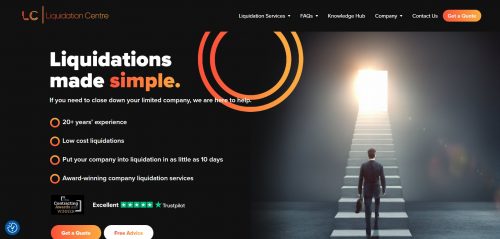 Liquidation Centre is widely regarded as one of the most accessible and well-reviewed company liquidation platforms in the UK. Backed by over 20 years of industry experience, it has built a strong reputation among directors for its transparent pricing, straightforward process, and consistent customer support.
Closing a company is rarely easy, and for many directors, it may feel confusing at first. Liquidation Centre helps clarify the process by breaking it down into simple, manageable steps, from your first enquiry through to final closure.
Everything is explained in plain terms, timelines are clear, and there are no unexpected costs, which can make a difficult situation feel more under control.
Pros:
- Helpful customer support with step-by-step guidance.
- Positive feedback from directors who have used the service.
- Suitable for small- to medium-sized businesses (SMEs).
Cons:
- May not offer as many extras as some larger firms.
Best for:
Directors who want a simple way to close their company, with clear pricing and friendly support throughout.
2. The Insolvency Expert
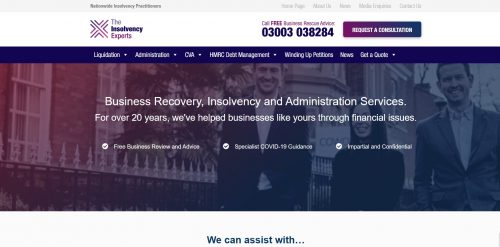 The Insolvency Expert takes an advisory-led approach to company liquidation, helping directors understand their options before moving forward. This can be useful if you are unsure whether liquidation is the right step or if you want to explore alternatives first.
They provide guidance throughout the early stages, explaining the process and outlining possible routes in a clear and structured way. This can help reduce uncertainty, although the experience may feel more formal compared to simpler platforms.
With experienced practitioners and a strong background in insolvency, they are generally considered a solid option for directors who want more input before making a decision, rather than a quick start.
Pros:
- Strong advisory support before and during liquidation.
- Experienced insolvency practitioners.
- Suitable for more complex and uncertain situations.
Cons:
- Pricing can be higher than some lower-cost providers.
Best for:
Business owners who want to explore all their options before deciding on liquidation.
3. Kirks Insolvency
 Kirks Insolvency is a well-established firm known for its professional and structured handling of company liquidation. With years of experience in the industry, they have built a solid reputation for managing cases in a clear and organised manner.
Their service follows a more traditional style, which can suit directors who want a steady and predictable process. Each stage is handled carefully, with clear steps and a methodical structure that helps keep things on track.
While it may not feel as quick as some newer platforms, it offers a level of consistency that many businesses value.
Pros:
- Established reputation and industry experience.
- Professional and structured case handling.
- Consistent and organised service.
Cons:
- Communication can feel more formal than personal.
Best for:
Directors who prefer a traditional insolvency firm with a strong track record.
4. Cheap Liquidation
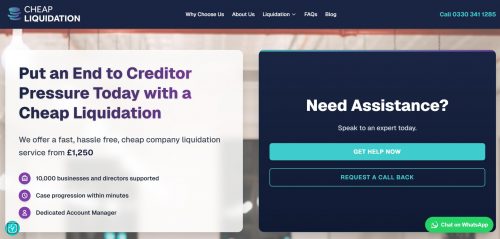 Cheap Liquidation is built around affordability, offering a low-cost option for directors who need to close their company with minimal extras. As the name suggests, the service keeps the process simple and aims to complete the liquidation efficiently and with clarity.
For directors working with a tighter budget, this can be a practical choice. The setup is quick, and the steps are easy to follow, which helps keep the process moving. While it doesn’t offer as much hands-on support as some other providers, it still handles the core requirements and keeps everything compliant.
Pros:
- Very competitive pricing.
- Quick setup and processing.
- Easy to follow process.
Cons:
- Not ideal for complex financial situations.
Best for:
Businesses that are working with a tighter budget and are comfortable managing a self-guided process.
5. Parker Walsh
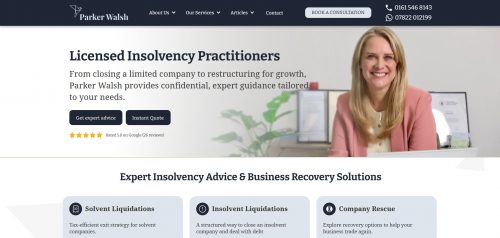 Parker Walsh is known for offering a hands-on service, giving directors close support during company liquidation. Instead of a fixed, standard process, they adapt to each case, which can be helpful when the situation is less straightforward.
Directors can expect regular updates and a good level of involvement throughout. This can make the experience feel reassuring, as there is space to ask questions and stay informed at each stage. It may not be the fastest option available, but it provides a supportive experience for those who prefer ongoing guidance.
Pros:
- Regular updates and clear communication.
- Adapts to different business situations.
- Reassuring for directors who want to stay involved.
Cons:
- Not as streamlined as fully online options.
Best for:
Directors who want to stay closely involved and prefer ongoing support during the liquidation process.
Choosing the Right Liquidation Option
Choosing how to close your company is a big decision, and it’s worth taking a bit of time to think about what matters most to you.
It also helps to think about how involved you want to be. Some directors prefer a quick and straightforward setup, while others feel more comfortable with regular updates and a more guided experience.
Before moving forward, make sure you understand what is included in the service, how long the process is likely to take, and what level of support you will receive. Asking a few simple questions early on can help avoid confusion later.