
























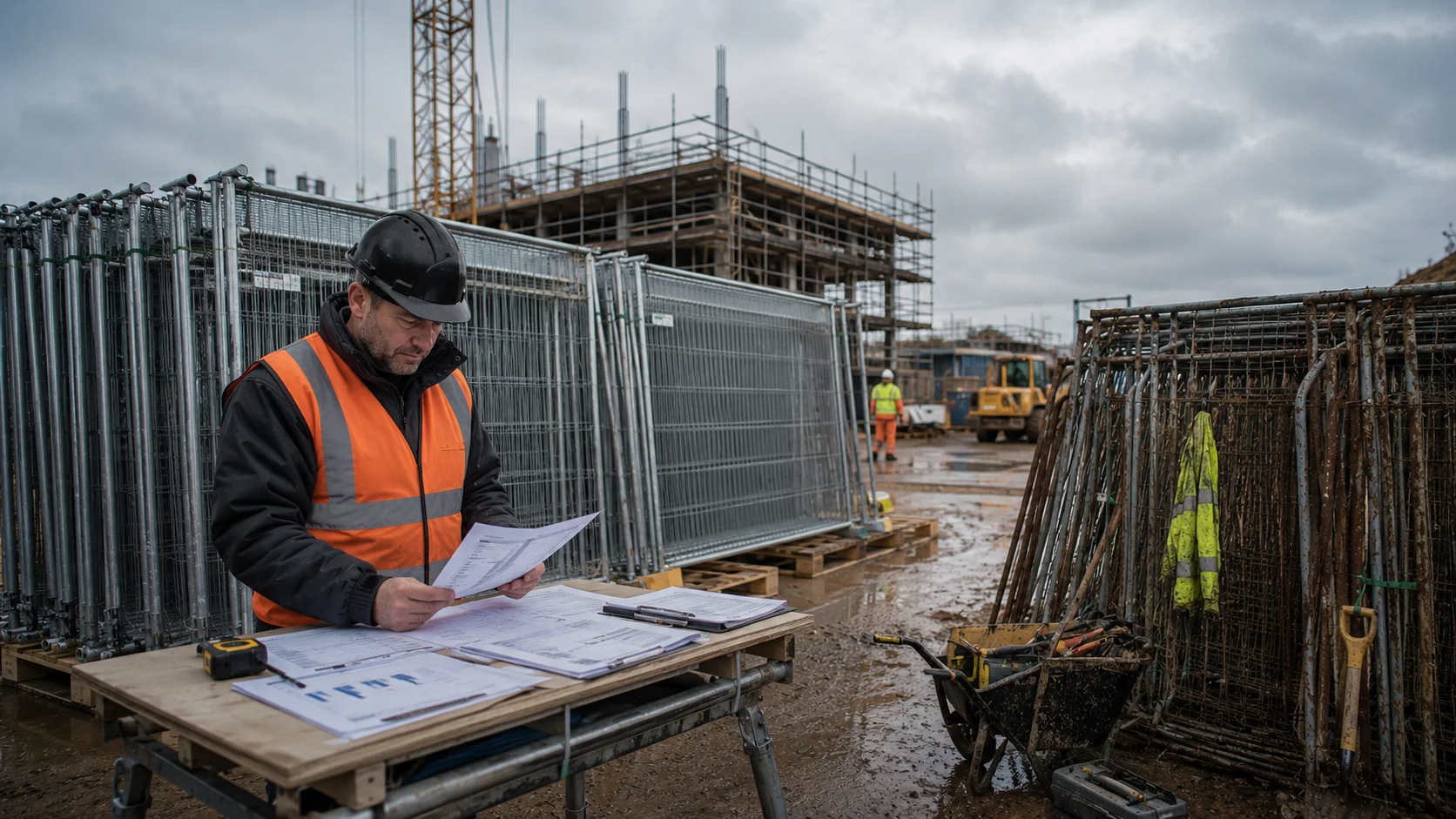
Firms in construction and events frequently wrestle with whether to rent or buy site perimeter solutions such as temporary fencing.
Getting this decision right shapes your financial outcomes, site compliance, and operational efficiency. This guide examines both models, helping decision-makers weigh the true costs and risks involved in managing secure perimeters.
Misjudging the choice between renting and buying can seriously affect your project’s cash flow, create compliance exposure, or cause unnecessary delays. For those responsible for managing worksites or event venues, temporary fencing is an essential resource but also a source of ongoing strategic choices.
Recognising the hidden factors behind each model is crucial, as surface-level price comparisons rarely reveal the full picture. This article details what you need to review to make an informed, resilient decision for your organisation, specifically in the context of temporary fencing use.
Should Businesses Rent or Buy Site Perimeter Systems?
Comparing What Hiring and Purchasing Actually Offer
If you opt to hire, service providers typically supply transport, setup, and removal of temporary fencing.
This model often includes routine inspections, fast repairs, and replacement of damaged panels as part of the agreement, tailored to the specific requirements of construction and event sites.
Costs are usually predictable, with most suppliers covering component swap-outs, regulatory changes, and scheduled checks.
Companies choosing the purchasing route, however, become owners of all assets from day one, responsible for storage, transport, and any upkeep or repair needs that arise over time for their temporary fencing stock.
You must also manage depreciation, tracking asset value and ensuring ongoing compliance with relevant standards. Ownership can appeal if you have consistent needs and established processes for storing and maintaining temporary perimeter equipment.
Key Operational Costs Beyond Basic Acquisition Price
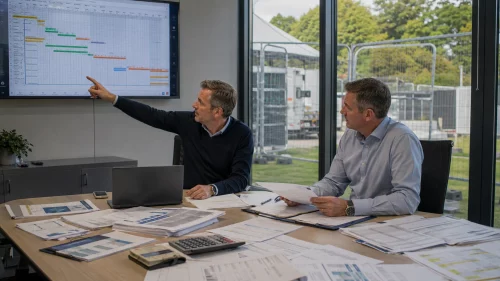
Upfront capital commitments tend to be higher for buying, while hiring converts this outlay into regular operational expenses.
This distinction will shape your budget flexibility and affect decisions around multi-site management or project scalability, especially when using temporary fencing for variable project timelines.
Handling and transport expenses can escalate quickly if your locations change regularly. Each mobilisation of fencing means more logistical planning and workforce involvement, which can add financial strain to purchase-based models, especially if you lack in-house transport capabilities for temporary fencing solutions.
Storage, cleaning, and repair responsibility shift to your own staff or subcontractors once you own equipment. This also raises exposure to theft or accidental damage, which can erode long-term cost savings and add uncertainty to your operational planning.
Management of insurance becomes more complex, so it is important to weigh potential liability claims against the simplicity of inclusive hire agreements.
As part of these considerations, you should assess whether recurring maintenance, downtime for cleaning, or frequent replacement of worn components will impact overall project costs. Making a realistic forecast for both renting and buying temporary fencing is necessary for effective budgeting.
How Project Profiles Inform the Best Decision?
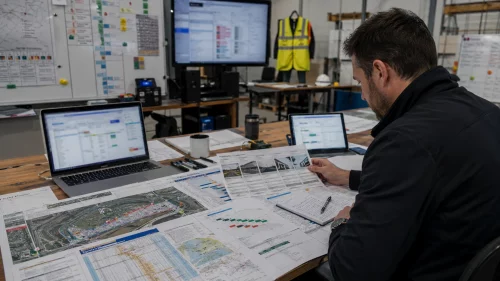 If your company operates at a high frequency, with predictable and year-round needs for fencing, ownership can provide efficiency and greater control.
The benefits multiply when working across stable or repeat project types, where deployment patterns closely match internal capacity and asset management systems.
However, if you frequently support short-duration or one-off projects, or if your workload is unpredictable due to seasonality, renting can reduce exposure to long-term surplus or underutilised equipment.
Hiring grants the freedom to align costs directly with project requirements, preserving cash flow and avoiding redundant asset accumulation.
An adaptable pipeline may signal greater value in flexible arrangements as business rhythms shift. In these cases, the ability to rapidly mobilise temporary fencing is just part of the overall logistic puzzle, so operational agility can outweigh hypothetical purchase savings.
Temporary fencing, especially in environments where rapid project scaling or tight scheduling dominates, is frequently managed more efficiently under a hire model rather than outright equipment ownership.
Risk Management, Compliance, and Practical Frameworks
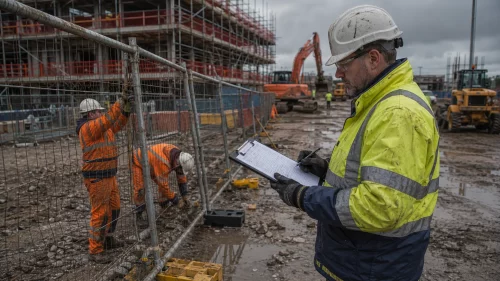 Inspection requirements and robust record-keeping are critical, particularly as regulatory focus on site safety remains high.
A hire contract often shifts some operational risks onto the supplier, who must ensure temporary fencing equipment meets standards and is serviced according to best practice.
For buyers, the burden rests with your internal processes and staff training. Failing to maintain compliance can result in fines, work stoppages, or compromised project schedules.
These risks are amplified by asset ageing or inconsistent maintenance routines related to temporary fencing held in stock.
Managers should weigh not only headline costs, but also the reliability of support, scalability during peak seasons, and the organisational capacity to standardise temporary site perimeter systems across variable projects.
Blending owned core stock with hired overflow can offer both stability and flexibility for firms with diverse portfolios.
When comparing options, structure your decision around a detailed checklist. Assess total cost of ownership, direct and indirect risks, and expected days of system use per year, as well as internal capability to manage logistics, maintenance, and compliance for temporary fencing solutions.
This approach can help identify a break-even point and support a more robust decision.