























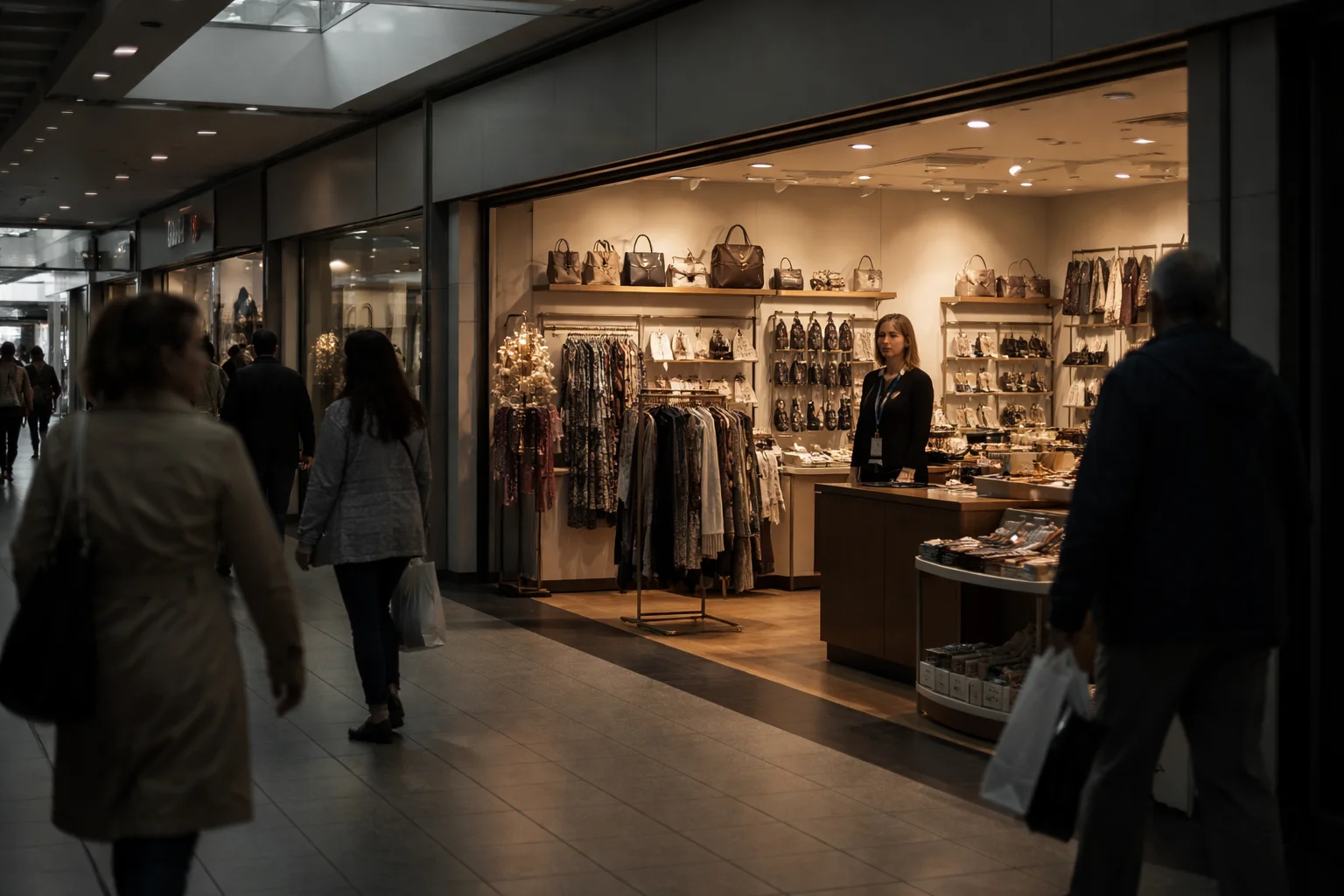
Claire’s Accessories collapse became official in January 2026 when the retailer entered administration in the UK and Ireland.
The brand is not shutting down completely at this stage, but over 150 stores and more than 1,000 jobs are at risk while administrators seek a buyer.
The company continues to trade, yet its future remains uncertain due to financial pressures, weak Christmas sales, rising costs, and strong online competition.
Key Answer Points:
- Claire’s entered administration under Kroll in January 2026
- 1,000+ UK jobs are at risk
- 150+ stores under financial review
- Poor Christmas trading triggered cash flow issues
- Competition from SHEIN, Temu and TikTok Shop intensified pressure
- Landlord support challenges worsened the situation
- A buyer is being sought to rescue the business
What Is the Truth Behind the Claire’s Accessories Collapse in 2026?

The Claire’s Accessories collapse became official in late January 2026 when the company entered administration across the UK and Ireland.
Insolvency practitioners from Kroll were appointed to manage the process after owner Modella Capital filed for insolvency. While headlines suggested an immediate shutdown, the reality is more complex.
Administration does not mean instant closure. It is a legal framework designed to protect a struggling company from creditor pressure while restructuring options are explored.
In this case, Claire’s continues trading while administrators seek a buyer or restructuring solution.
To understand the seriousness of the situation, it is important to distinguish between collapse and liquidation.
Administration aims to rescue the business as a going concern where possible. Liquidation means assets are sold and the company ceases trading entirely.
The current position of the business can be summarised below.
| Element | Status as of January 2026 | Implication |
| Legal Status | In administration | Protected from creditor action |
| UK Stores | Trading | Under financial review |
| Irish Stores | In administration | Future uncertain |
| Owner | Modella Capital | Filed for insolvency |
| Administrators | Kroll | Seeking buyer |
The Claire’s Accessories collapse reflects a critical cash flow breakdown rather than an immediate disappearance from the high street.
However, entering administration signals that the company could no longer meet financial obligations without external intervention.
The scale of risk is significant. Over 1,000 employees face uncertainty and more than 150 stores are being assessed for viability.
The coming weeks will determine which locations survive and whether the brand secures new investment.
Why Did Claire’s Accessories Go Into Administration Again?
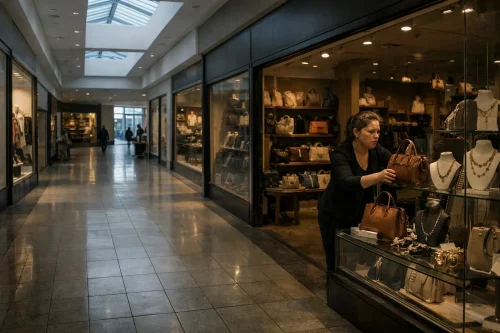
The collapse did not happen overnight. It was the result of mounting financial pressure combined with structural shifts in retail.
How Did Poor Christmas Trading and Inflation Impact Claire’s?
Christmas is the most important trading period for many retailers. For Claire’s, the 2025 festive season failed to deliver expected sales volumes. When seasonal projections fall short, the financial consequences can be severe.
During 2025, UK consumers were still grappling with the cost of living crisis. Inflation affected essential household spending, leaving less disposable income for non essential items such as fashion jewellery and accessories.
Retail inflation influenced several areas simultaneously:
- Higher import costs for fashion accessories
- Increased wage bills
- Elevated energy expenses
- Rising logistics and shipping charges
When sales volume declines at the same time as operating costs increase, profit margins are squeezed rapidly. For a retailer with hundreds of physical stores, the cost base is largely fixed. Rent and staffing cannot easily be reduced in the short term.
The performance comparison below illustrates the pressure.
| Financial Indicator | 2024 Performance | 2025 Performance | Impact |
| Christmas Sales Growth | Modest growth | Decline | Reduced cash reserves |
| Operating Costs | Stable | Increased | Margin compression |
| Consumer Footfall | Moderate | Lower | Reduced impulse purchases |
| Cash Flow Position | Manageable | Strained | Insolvency risk |
A weak Christmas can create a domino effect that continues into the new year. Suppliers expect payment, rent remains due, and lenders seek reassurance. If sufficient cash is not available, administration becomes a likely outcome.
Did Online Retailers Like SHEIN, Temu and TikTok Shop Contribute?
Competition from online platforms significantly intensified in recent years. Fast fashion giants such as SHEIN and Temu offer jewellery and accessories at prices often lower than traditional high street retailers can match.
TikTok Shop has introduced a new dynamic where trends spread rapidly and purchasing happens instantly through social content. This particularly affects younger audiences, which historically formed Claire’s core customer base.
Online competitors operate with structural advantages:
- Lower property overheads
- Direct to consumer supply chains
- Real time trend responsiveness
- Heavy social media integration
These advantages create pricing pressure and reduce the uniqueness of high street accessory retailers.
I have observed that younger consumers increasingly prioritise speed and affordability over brand loyalty. The emotional connection many people have with Claire’s does not necessarily translate into sustained purchasing behaviour when cheaper alternatives are available online.
The table below compares business models.
| Feature | Claire’s Physical Model | Online Fast Fashion Model |
| Store Rent | High fixed cost | None |
| Staffing | In store employees | Warehouse based |
| Trend Cycle | Seasonal | Weekly or daily |
| Pricing Flexibility | Limited | Highly aggressive |
| Customer Reach | Shopping centres | Global digital |
The Claire’s Accessories collapse must be viewed within this competitive landscape. It is not solely a management failure but a reflection of a retail environment that has changed dramatically.
How Serious Are the Job Loss Risks and Store Closures in the UK?
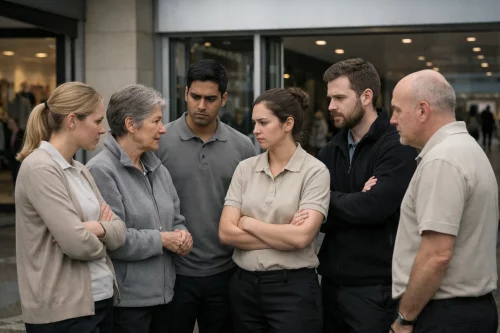
The human impact of the Claire’s Accessories collapse is substantial. More than 1,000 jobs are at risk across the UK, and over 150 stores are being evaluated.
When a company enters administration, administrators conduct a store by store analysis. Locations that consistently generate profit may be retained or sold to a buyer. Loss making sites are often closed quickly to reduce cash drain.
The following table summarises potential outcomes.
| Scenario | Jobs Impact | Store Impact | Probability |
| Successful Sale | Partial retention | Selective closures | Moderate |
| Restructuring Without Buyer | Significant cuts | Major store reduction | High |
| Liquidation | Most jobs lost | All stores closed | Low to Moderate |
Retail employees face uncertainty during this process. Administrators prioritise stabilising trading performance to maintain value for potential buyers.
The risk level can also depend on store type:
| Store Location Type | Footfall Trend | Risk Level |
| Major City Centres | Mixed | Medium |
| Regional Shopping Centres | Declining | High |
| Smaller Town Centres | Weak | High |
| Tourist Locations | Seasonal | Medium |
While the company is currently trading as normal, the financial review process could lead to swift changes. The reality of administration is that decisions are often made quickly to preserve remaining cash.
What Role Did Landlord Support and Rent Pressures Play?
Property costs are often a hidden factor behind retail insolvencies. In the case of the Claire’s Accessories collapse, landlord negotiations reportedly failed to deliver sufficient relief.
Shopping centre leases frequently involve long term commitments with fixed rent obligations. When footfall drops, rent does not automatically adjust. Without landlord flexibility, retailers can become trapped in loss making agreements.
In this case, reports indicate that landlord support was insufficient to sustain a viable footprint. If landlords refuse rent reductions or revised terms, the business cannot reduce fixed costs quickly enough.
A simplified breakdown of a typical store cost structure highlights the issue.
| Cost Category | Percentage of Revenue | Flexibility |
| Rent and Service Charges | 20 to 30 percent | Low |
| Staffing | 15 to 20 percent | Medium |
| Inventory | 30 to 40 percent | Medium |
| Utilities and Miscellaneous | 5 to 10 percent | Low |
When revenue declines but rent remains constant, profitability deteriorates rapidly.
The wider high street has experienced similar challenges. Landlords face their own financial pressures, including debt obligations and property valuations. This tension can create an environment where cooperation becomes difficult.
Is This the First Time Claire’s Has Faced Financial Trouble?
The Claire’s Accessories collapse in 2026 is not an isolated incident. The brand previously entered administration in 2025 and underwent restructuring in earlier years internationally.
Repeated insolvency events often indicate deeper structural problems rather than temporary downturns. Debt burdens, evolving consumer behaviour, and intense competition can accumulate over time.
Historical restructuring attempts included:
- Debt renegotiation
- Cost cutting measures
- Store closures
- Ownership changes
Each restructuring can stabilise the business temporarily, but if core profitability does not improve, financial distress may reappear.
This pattern has been seen across multiple high street brands in recent years. Retail models built around heavy physical footprints have struggled to adapt quickly enough to digital transformation.
Can Claire’s Accessories Be Saved or Is Shutting Down Inevitable?
The future of the business depends on whether administrators secure a buyer willing to invest and restructure.
In one discussion with a UK retail restructuring professional, he stated, “Administration is not the end. It is a mechanism to buy time. The real question is whether the underlying business can generate sustainable profit after costs are reset.”
He added, “If the store estate is too large and digital strategy is weak, the brand must shrink before it can survive.”
From my perspective, brand recognition remains a valuable asset. Claire’s has decades of history and strong awareness among UK consumers. However, nostalgia alone does not guarantee commercial viability.
I believe the following changes would be necessary for survival:
- A reduced store portfolio focused on profitable locations
- Stronger online and social commerce integration
- Improved supply chain agility
- Competitive pricing strategy
The viability of these changes depends on new investment and disciplined execution.
Administration outcomes typically fall into three categories:
| Outcome Type | Description | Long Term Outlook |
| Going Concern Sale | Buyer acquires brand and stores | Potential recovery |
| Pre Pack Administration | Business sold quickly with reduced liabilities | Streamlined survival |
| Liquidation | Assets sold, business closed | Permanent exit |
At present, a going concern sale appears the preferred route. However, market appetite for acquiring high street retailers remains cautious.
What Does the Claire’s Collapse Mean for the UK High Street?
The Claire’s Accessories collapse forms part of a broader trend affecting UK retail. High street brands have faced mounting pressure from online competition, rising business rates, and shifting consumer behaviour.
Shopping centres in particular have experienced declining footfall outside peak seasons. Younger consumers increasingly discover trends through social media rather than traditional retail browsing.
The broader implications include:
- Continued reduction in store numbers nationwide
- Greater emphasis on experiential retail
- Increased integration of online and offline channels
- More flexible leasing models
The high street is evolving rather than disappearing. Retailers that adapt to hybrid models combining physical presence with strong digital capability are more likely to survive.
The collapse also highlights how quickly financial distress can escalate in a competitive environment. When margins are thin and fixed costs are high, even a single weak trading season can trigger insolvency.
Is Claire’s Accessories Shutting Down Completely?
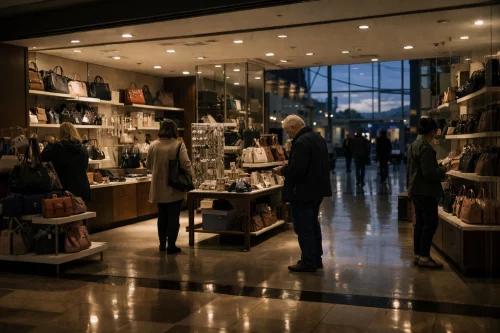
At the time of writing, Claire’s is not shutting down completely. The company continues to trade under administration while strategic options are explored.
Customers can still visit stores and purchase products. However, store closures may occur if administrators determine certain locations are unsustainable.
The situation remains fluid. The next stage will involve evaluating buyer interest, negotiating with landlords, and analysing store performance.
The Claire’s Accessories collapse serves as a reminder that retail stability can change rapidly. Whether the brand survives in reduced form or exits the UK market entirely will depend on restructuring success and investor confidence.
Conclusion
The Claire’s Accessories collapse in 2026 is a serious development, but it does not automatically mean the end of the brand.
The company entered administration after poor Christmas sales, rising costs, landlord pressures, and online competition. Over 1,000 jobs and 150 stores are at risk, yet operations continue while a buyer is sought.
In my view, this situation highlights a broader lesson for UK retail: brand recognition is not enough. Agility, cost discipline and digital strength are now essential for survival.
Whether Claire’s can reinvent itself remains uncertain. But one thing is clear — the high street landscape continues to change rapidly, and only adaptable retailers will remain standing.
FAQs About Claire’s Accessories Collapse
What does administration mean for Claire’s customers?
Administration allows the business to continue trading while restructuring. Customers can usually still shop, but policies may change if the situation worsens.
Who owns Claire’s Accessories?
Claire’s UK operations were owned by Modella Capital before entering administration in January 2026.
Are Claire’s gift cards still valid?
At the time of administration, gift cards were still being accepted. However, this can change depending on the restructuring process.
Why are shopping centre retailers struggling more than online brands?
Shopping centre retailers face higher fixed costs, including rent and staffing, while online brands operate with lower overheads.
Could another retailer buy Claire’s?
Yes, administrators are actively seeking a buyer. A sale could preserve parts of the business.
How does inflation affect accessory retailers specifically?
Inflation reduces disposable income and increases operating costs, making non-essential purchases decline.
Is this collapse linked to global financial issues?
Partly. Global supply chain costs, inflation and changing consumer behaviour have all contributed to retail instability.